
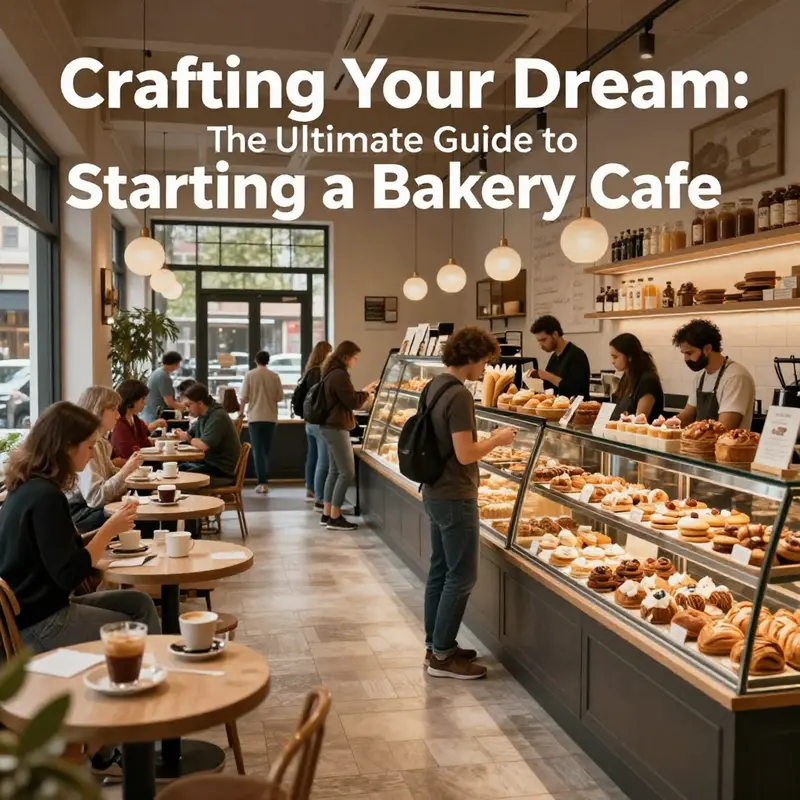
Starting a bakery cafe is more than just a business; it’s a passion project that fuses culinary creativity with entrepreneurial spirit. Owning a bakery cafe provides not only an opportunity to showcase delicious baked goods but also a chance to build a vibrant community hub. In this comprehensive guide, we will explore two essential aspects of launching your bakery cafe: defining your concept and conducting thorough market research, as well as building the necessary baking skills and creating a robust business plan. Each chapter will pave the way for your journey, helping you turn your vision into a successful reality.
From Concept to Customer: Defining Your Bakery Café Identity and Reading the Market for a Solid Start
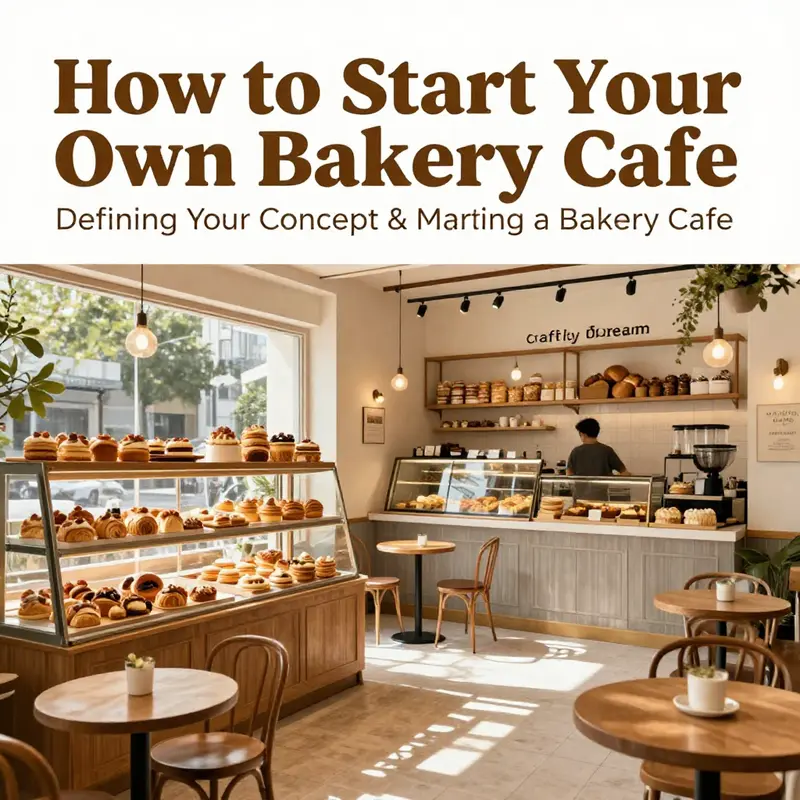
Choosing to open a bakery café is as much about storytelling as it is about kneading dough. The chapter you chart now—your concept—will shape every decision to come, from the flow of the room to the rhythm of the day, from the kinds of pastries that sit on display to the pace at which you restock the oven. A clear concept answers not only what you sell, but who you are for, what ambiance you create, and how you translate that identity into practical choices—staff interactions, pricing, and even packaging. It is the compass that keeps you aligned when trends swirl and when new suppliers tempt you with dazzling ingredients. Your concept should feel coherent and enduring, not a collection of fashionable ideas that compete for attention. That coherence is what draws a devoted circle of customers who know they can expect something specific every time they walk through your door.
This clarity begins with a careful, almost tactile vision of atmosphere. Do you want a cozy, community hub with soft lighting, mismatched chairs, and local art that turns the space into a gathering place? Or do you picture a sleek, modern café that emphasizes speed, consistency, and a premium line of products? The atmosphere you choose sets expectations. It informs the soundtrack you play, the way staff greet guests, the texture of the menus, and the way packaging feels in a customer’s hand. It also guides the practicalities of layout—where the pastry display sits in relation to the register, how customers flow from order to pickup, and how much seating you can offer without sacrificing bread lines, croissant ovens, and the checkout rhythm. The atmosphere thus becomes a promise you make to your guests and a signal to your team about how to behave and perform.
A second pillar is the target audience. Who are you welcoming first, and how will you sustain their interest over time? Busy professionals on a grab-and-go mission require speed, predictability, and a concise menu. Families may seek a safe, kid-friendly environment with reliable staples and occasional indulgences. Artisans and casual diners might crave a space that celebrates craft and story—where ingredients, process, and provenance are visible in the glass case and on the chalkboard. Your concept should reflect a precise customer profile, not a broad generalization. When you know the primary guest, you can design a menu, ethics, and service style that consistently resonate with that audience. And you can scale thoughtfully, adding or pruning items as you glean what your core guests love and what they don’t need on a weekday morning.
Central to the concept is the unique selling proposition, the distinctive thread that makes your bakery café more than a sum of its parts. It might be a commitment to organic, locally sourced ingredients, a signature pastry line that no other shop offers, or a coffee program tied directly to a roaster with transparent sourcing. A strong USP isn’t a gimmick; it’s a tangible, repeatable difference that you can train your team to deliver with pride. It informs menu design, supplier choices, and even the way you present your story to customers through signage and digital channels. The USP should be reflected in every surface of the business—from the color palette of the space to the texture of the napkins and the cadence of your social posts. The aim is not to imitate what already exists but to demonstrate why your bakery café matters in a way that customers feel from their first step inside.
With concept as the spine, market research becomes the muscle that moves you forward. You need a living understanding of the landscape you intend to enter. Start by observing competition with generosity and rigor. Visit nearby bakeries and cafés not to copy but to notice what they do well and where they fall short for their customers. Are prices aligned with the value offered, or is there a gap you can responsibly fill? What kinds of customers are drawn to these spots at what times of day? Are there common complaints you could address—perhaps limited seating during peak hours, or a lack of quiet spaces for work and study? The goal is not to imitate an already thriving shop, but to situate your own concept within an honest awareness of what the neighborhood already experiences and what it may be missing.
Understanding the local demographic is equally critical. Beyond age, income, and family status, consider routines—the typical commute, the distance to public transit hubs, and the places people frequent between work and home. This deeper reading helps you align hours, menu timing, and even promotions with real daily patterns. A practical approach is to test your hypotheses with small, low-risk experiments. Pop-up stalls, temporary events, or a soft opening can reveal how your concept lands with actual guests. Use surveys and direct observations to gather feedback about what customers value most—whether it’s the speed of service, the quality of coffee, or the appeal of seasonal pastry selections. The insights you gain should feed back into your concept, ensuring your future space feels inevitable to people in the area rather than a mystery they pass by.
The location itself is not a backdrop but a partner in your concept’s life. It can amplify your atmosphere or complicate it, depending on its quirks. A corner location often provides natural visibility and foot traffic, while a tucked-away site may reward a cozy, intimate vibe if you pair it with a strong community focus. The neighborhood’s rhythms matter as much as its zoning rules. Proximity to transit, offices, schools, and residential clusters can shape how you sequence your day—breakfast pastry runs before the morning commute, a mid-morning lull with wifi-friendly seating, or an afternoon surge of families seeking a friendly, safe space. In a widely used planning lens, you weigh visibility, accessibility, and the surrounding ecosystem of other businesses. You don’t want a space that creates noise, literal or figurative, or one so remote that foot traffic never materializes. The 2025 guidance on prime locations suggests that a well-chosen corner can unlock a steady stream of passersby, while being placed on a steep hill or far from dense clusters can sap momentum. The objective is to match your concept to a place that supports its daily life, not merely its dream.
A practical way to fuse concept and market insight is to craft a narrative of your ideal guest experience. Picture a guest entering your door and moving through a small sensory journey: the aroma of roasted coffee, the shimmer of the pastry case, the warmth of a friendly greeting, the soft hum of conversation, and the ease of payment at the counter. Every detail—from the menu layout to the light fixtures—should reinforce that story. The narrative, in turn, informs staffing and training. Your team should know not just what to serve, but how to serve, how to read a guest’s needs, and how to contribute to a calm, welcoming atmosphere even during rush periods. In this way, the concept is not a static blueprint but a living contract with your guests.
As you refine concept and test assumptions, consider how your branding will translate into every touchpoint. The packaging, signage, and even the tone of your menu copy carry the promise you’ve defined. A coherent brand voice helps guests feel familiar and connected across all interactions, from the first social post to the last bite of a pastry at closing time. If you’re exploring a community-oriented vision, think about events, workshops, or collaborations with local artists that can anchor the space in the neighborhood’s cultural calendar. If your direction is premium artisanal, you will emphasize precision in technique, ingredient provenance, and curated experiences that justify a higher price point. These choices affect not only operations and menus but also the training you provide to front-of-house staff, the design of the display cases, and the way you approach customer service.
For readers seeking a practical reference that aligns concept with market strategy, consider a real-world example like Dulce Vida Cafe. Observing how another shop has married space, product, and guest experience can illuminate pathways for your own plan without copying a single detail. In the end, your bakery café begins as a story you tell through every decision, and it grows as you learn the neighborhood’s appetite and rhythm, weaving together a concept that feels both inevitable and inviting.
External resource: For a structured, data-driven framework to translate concept and market insight into actionable steps, consult Stripe’s guide on how to start a cafe at https://stripe.com/en-gb/guides/how-to-start-a-cafe.
From Dough to Dollars: Crafting Skills and a Roadmap That Turn a Bakery Dream into a Thriving Café
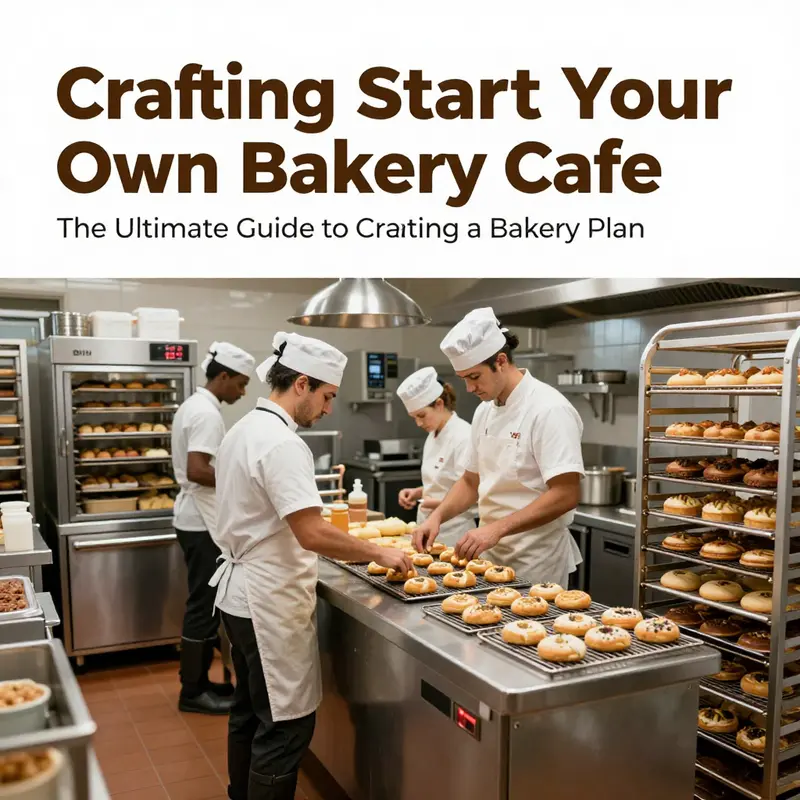
Opening a bakery café is not just about the scent of fresh bread and the sparkle of a latte art heart; it’s a carefully choreographed journey that blends craft with commerce. The dream rests on two interwoven threads: mastery of the kitchen and clarity in the business plan. The kitchen side demands years of refinement, a deep curiosity about ingredients, fermentation, and technique, while the business side requires discipline—forecasts, margins, supplier relationships, and a customer experience that makes people linger and return. When these threads knit together, the result is not only a place that bakes well but a place that feels reliable, inviting, and memorable. To begin this process, approach skill-building and planning as a single, ongoing practice rather than two separate tasks. The moment you define a concept—the kind of bakery café you want to be, the neighborhood you want to serve, and the tone you want your space to convey—you set the parameters for both your technique and your plan. Experienced bakers who also think like operators tend to outperform purely talented technicians who lack a roadmap. The reverse is true as well: a brilliant business plan without the hands-on ability to deliver consistent product will falter. The art and the system reinforce each other, enabling you to translate a passion into a sustainable enterprise.
A sound foundation starts with developing essential baking and business skills in parallel. On the baking side, formal training provides a structured doorway to fundamentals—kneading, fermentation, and the delicate balance of moisture, temperature, and timing. Hands-on programs at reputable culinary schools or baking studios focus on loaves that sing with crust, pastries that crackle with lamination, and desserts that carry the shop’s signature voice. But formal schooling should not be your only path. On-the-job experience in a busy bakery or café exposes you to daily rhythms: the pace of service, the choreography of shiftd assets, and the realities of inventory management. It’s where you learn to troubleshoot oven hot spots, manage proofing times, and maintain product consistency across a busy morning rush. If your concept tilts toward coffee-forward offerings, you’ll want to add specialized skills—espresso machine operation, milk texturing, and even latte art. Sourcing high-grade beans and understanding crema, dialed extraction, and crema stability can elevate your beverage program from good to memorable. These technical skills, built over months and years, lay the groundwork for a menu that can scale without sacrificing quality.
Equally critical are the business skills that ensure your craft can find a paying audience. Financial literacy—budgets, cash flow, cost of goods sold, and break-even analysis—turns flour and yeast into numbers you can defend when lenders or investors ask for a plan. Marketing and branding help you translate texture and aroma into a recognizable identity that customers will seek out. A cohesive brand voice guides packaging, interior design, and the tone of your social media posts, creating a sense of place that people want to revisit. Operations management, including inventory controls, staffing, and compliance with health and safety codes, keeps the machine running smoothly so service feels effortless even at peak hours. The goal is not to oversimplify the kitchen or overcomplicate the counter; it’s to harmonize precision with flexibility so you can deliver reliability while leaving room for creativity.
The blueprint for that harmony often begins with a detailed business plan. Your plan acts as a living document, guiding decisions as markets shift and customer tastes evolve. A robust plan starts with an executive summary that communicates your vision, mission, and core values—what makes your bakery café distinct, whether it’s an emphasis on organic ingredients, a local-sourcing philosophy, or a warm, community-centered atmosphere. Market analysis then grounds your concept in real life: who you’re serving, what they crave, and how you’ll differentiate from nearby competitors. You’ll consider demographics, lifestyle patterns, and buying behaviors, looking for gaps you can fill. The business model and positioning section asks you to articulate whether you’re a neighborhood staple offering affordable, reliable items, a café designed for quick pop-ins with Instagram-worthy desserts, or a premium, craft-focused destination that invites lingering. The positioning should steer every facet of your operation, from pricing to product selection to ambience.
Product line and menu development is a delicate art of balance. The classic approach champions a model like 30% entry-level items, 50% profit-driven staples, and 20% seasonal or limited offerings. Entry-level items draw foot traffic and showcase your consistency—think daily baguettes, croissants, and plain pastries that turn over quickly. Profit-driven items justify higher price points and tighter margins with handcrafted sourdoughs, laminated pastries, or signature items that carry your brand’s story. Seasonal or limited items create excitement and repeat visits by tapping into holidays or fresh trends. When you sketch this model, you don’t just fill a board with ideas—you set a revenue rhythm that suits both a small footprint and a lean team. For a compact space, the financial logic becomes essential. A hypothetical 30-square-meter shop might require around ¥255,000 in initial capital. If you aim for a daily revenue of about ¥5,000, monthly gross profit can reach roughly ¥90,000, with net profit after fixed costs around ¥50,000. These numbers suggest a payback period of eight to twelve months under ideal conditions, underscoring how critical it is to align your product mix with real costs and expected customer flow. Your menu, then, becomes a living instrument for forecasting and growth, not just a catalog of offerings.
Location and layout are inseparable from your plan. Choosing a site with visibility, accessibility, and immediate impact on foot traffic can compress or extend your path to profitability. Proximity to residences, offices, or tourist spots matters, but you must also understand zoning, permitting, and the local competitive landscape. An efficient space design—thoughtful workflow for baking and display, strategic placement of equipment, and an attractive yet practical décor—can sustain quality during busy periods and create a welcoming pause for customers. When it comes to equipment and supplies, compile a precise list and seek reliable suppliers who understand your quality standards and consistency needs. Leasing can be a smart way to manage startup costs, enabling you to upgrade as your business grows while preserving cash for marketing and working capital. In parallel, begin to shape your supplier relationships around reliability and traceability; knowing the source of flour, sugar, dairy, and coffee beans becomes a promise you can defend to customers and lenders alike.
Marketing and launch strategy should flow from your plan rather than dictate it. A preopening phase builds anticipation through social channels, local partnerships, and a soft launch that invites feedback before you fully open the doors. Loyalty programs, such as a simple stamp card or digital rewards, convert first-time visitors into repeat customers who feel acknowledged and valued. Importantly, your plan should spell out how you’ll measure success beyond sales, tracking customer satisfaction, repeat visits, average transaction value, and waste—because reducing waste is both financially prudent and environmentally responsible. The transformative power of a well-executed marketing and launch strategy lies in creating consistent first impressions. Your space, your people, and your product must echo the same message: reliability, warmth, and craft that guests can taste in every bite.
To ground your concept in reality and learn from what already exists in your area, study nearby bakeries thoughtfully. Look for what they do well and where they fall short, and let that inform your differentiation strategy. For example, you might explore community-focused venues that pair bread and coffee with a cozy seating area, then consider how you might offer a signature pastry program or a unique coffee pairing to set your shop apart. Panaderias cercas de mi offers a practical reminder that local presence shapes expectations and opportunities. See how a nearby operation balances daily staples with seasonal twists, how they price items, and how they create a sense of place through design and service. This kind of market intelligence should inform your executive summary and your product mix, helping you calibrate what to offer, when to refresh it, and how to communicate value clearly to customers who already have choices.
As your plan takes shape, you’ll pay increasing attention to cash flow, break-even timing, and a realistic path to profitability. This is not about avoiding risk; it’s about framing risk with data, testing ideas through soft openings and small pilots, and adjusting quickly when feedback reveals a misfit between your concept and customer desires. Remember that a bakery café is a service business as much as a product business. The best operators blend meticulous technique with a hospitality mindset: clean spaces, warm interactions, prompt service, and visible care in every details—from the way you service a cup of coffee to how you present a warm croissant in the glass case. If you can maintain that balance between craft and care, your bakery café becomes more than a place to buy bread; it becomes a destination that people seek out and recommend.
For a deeper dive into translating this blueprint into action, you can consult practical, expert-backed resources that map out how to turn a bakery concept into a sustainable operation. A comprehensive guide from the broader craft community offers step-by-step guidance on skill development, financial modeling, and strategic planning, reinforcing how essential it is to pair technique with numbers and to keep the community at the center of every decision. This alignment—craft, business acumen, and community connection—defines the spine of your bakery café journey, ensuring that your opening week is not merely an event, but the start of a resilient, evolving enterprise that can grow with your aspirations and your neighborhood’s needs. For a practical, expert-backed roadmap, see Serious Eats’ step-by-step guide on starting a bakery café: https://www.seriouseats.com/start-a-bakery-cafe
Final thoughts
Starting a bakery cafe can be a deeply rewarding venture if approached with the right strategies. By carefully defining your concept and conducting rigorous market research, you pave the way for a thriving establishment. Coupling these foundational steps with solid baking skills and a comprehensive business plan will set you up for success. Remember to continuously refine your offerings and keep an eye on your market to adapt your strategy. Your dream bakery cafe awaits; take the leap and let your creativity flourish!