
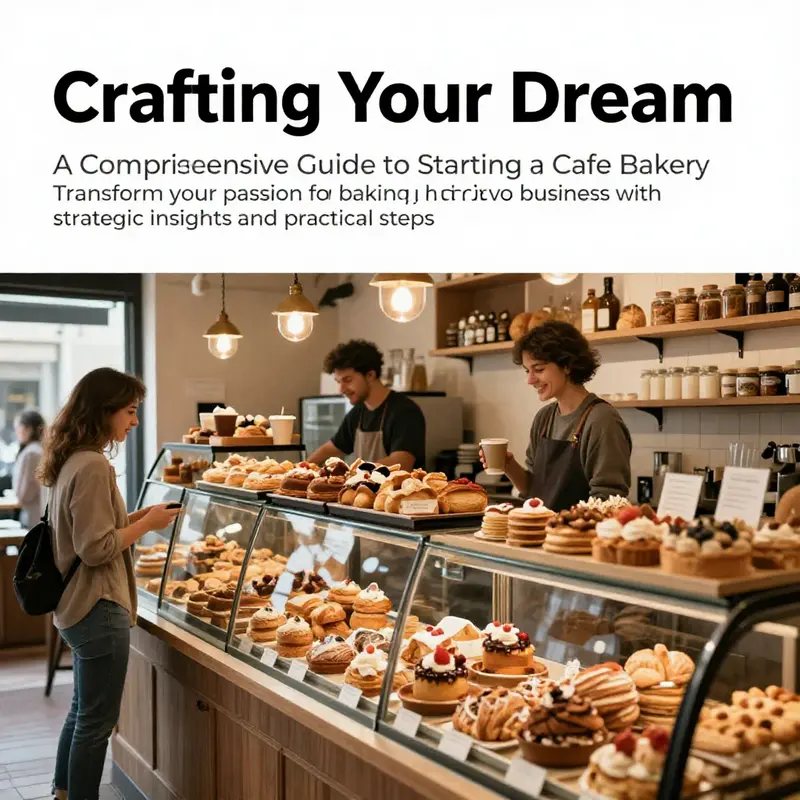
Launching a cafe bakery is an exciting endeavor that merges culinary passion with business acumen. In today’s competitive landscape, understanding your unique position in the market is crucial for success. The journey begins with a clear definition of your niche and thorough market research. Next, a detailed business plan serves as your roadmap, guiding your strategies for operation and growth. Finally, securing funding and navigating legalities lay the foundation for your bakery’s operational framework. Together, these steps create a cohesive strategy for aspiring business owners eager to establish a beloved community hub focused on quality baking and customer experience.
Niche as Compass: Defining Your Cafe Bakery’s Unique Voice and Validating It Through Market Research
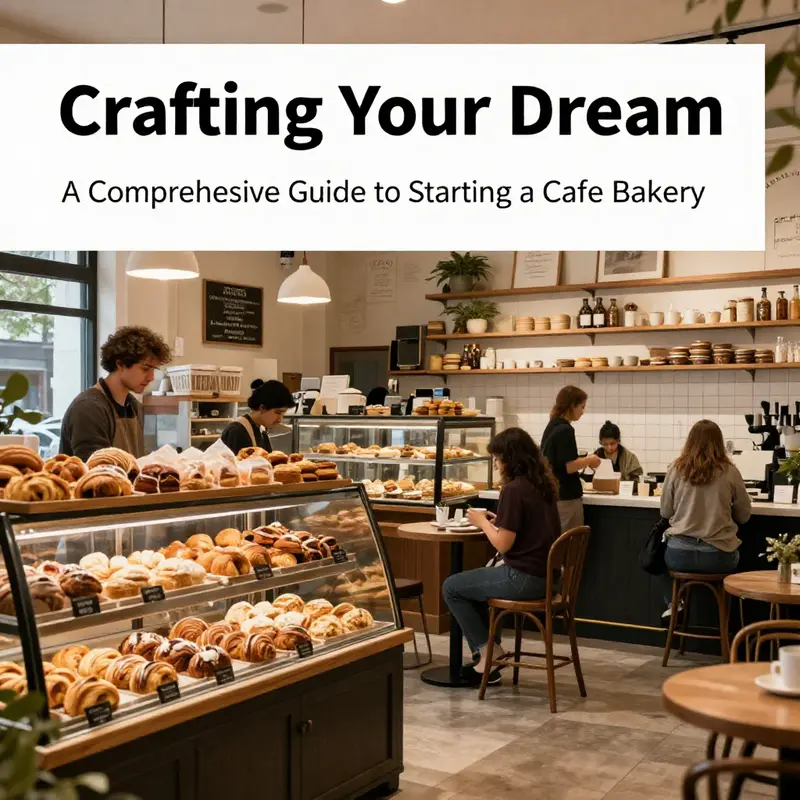
Defining your niche is more than choosing a menu; it is the compass that guides every major decision, from location to layout to the way you greet a first-time guest. In the crowded space of cafes and bakeries, a precise, authentic niche helps you attract a loyal audience and weather the inevitable shifts in trends. Think of your cafe bakery not as a generic storefront but as a deliberate invitation—an experience that people can’t get elsewhere with the same warmth, values, and conversations. The core question is not just what you bake or brew, but why your space exists and whom it serves. Start by naming the story you want to tell. Are you building on a lineage of family recipes, or do you center your craft around hyper-local, seasonal ingredients sourced from nearby farms? Is sustainability a lived practice—from compostable packaging to energy-efficient ovens—or do you aim to be a calm, minimalist retreat where remote workers feel anchored and productive? The more specific you become about your narrative, the clearer your brand becomes for staff, suppliers, and customers alike.
The next layer is identifying your ideal customer. Rather than aiming for everyone, sketch a precise profile. Are you appealing to young professionals who crave a productive space with excellent coffee and a quick, nourishing bite? Or do you want families who value a warm, kid-friendly weekend brunch scene? Perhaps your niche focuses on health-conscious diners seeking gluten-free or vegan pastries, or art lovers who visit a cafe that doubles as a small gallery. Your answers will ripple outward, shaping the ambience, pricing, and even the aroma that greets guests as they step inside. The experience you want to create should feel inevitable: the space, the service, and the menu should align so tightly that guests remark on the sense of place as much as the pastries themselves.
A distinctive niche also guides how you choose a location. A concept centered on a peaceful, work-friendly atmosphere benefits from quieter pockets near business districts or university campuses—areas where people seek reliable Wi-Fi and consistent hours. A family- or community-oriented concept, by contrast, may thrive in neighborhoods with strong foot traffic on weekends and proximity to parks or schools. The layout you adopt, the lighting you choose, and the music you play should all reinforce the story you’re telling. For instance, a sustainable, plant-based cafe bakery offering artisanal sourdoughs and pastries needs a space that communicates warmth, natural textures, and a sense of quiet comfort—an environment where guests can linger without feeling crowded.
To validate that niche, you must study the local market with curiosity and resolve. Begin by walking potential areas at different times of day. Look for patterns in foot traffic, the presence of nearby offices, student populations, and other amenities that influence cafe moods. Observe competing spaces: where they win, where they fall short, and what customers seem to crave that isn’t readily available. This isn’t about imitation; it’s about identifying gaps you can responsibly fill. For example, if you notice a dearth of cafes offering a truly local, story-driven experience or a lack of quiet spots for focused work, those gaps can become your differentiators.
Engaging your future guests directly is essential. Don’t rely solely on observation. Create opportunities to hear from people who fit your intended customer profile. Short surveys can reveal preferences about cafe locations, food types, and ambiance, while in-depth conversations uncover what makes a cafe feel like a “home away from home.” Ask open-ended questions: What do you wish more cafes offered? What would make you return again and again? These conversations translate into concrete choices about menu development, seating configurations, and service style. And while data matters, so does listening—because the best niche is one that people can articulate as a meaningful part of their daily lives.
Another crucial lens is competition, both direct and indirect. Direct peers are other cafe bakeries nearby; indirect competitors include fast-casual restaurants, bakery counters in grocery stores, and even coffee-focused concepts that bake on-site. Your job is not to imitate but to differentiate through your defined niche. If your niche centers on sustainable, plant-based, locally sourced offerings in a historic neighborhood, your messaging, packaging, supplier stories, and even the textures of your space should reinforce that commitment. Differentiation should feel natural, not contrived; guests should sense that every element, from the signage to the pastry case, is a deliberate piece of a larger, authentic narrative. And because the story matters, you can plausibly invite guests to participate in it—through seasonal menus, local collaborations, and events that reflect your values.
Validating the concept means translating intuition into evidence. Use the insights you gather to refine your niche until it is both compelling and executable. If surveys reveal strong interest in a quiet, work-friendly cafe with dependable Wi-Fi and a menu that foregrounds gluten-free and vegan options, make those elements non-negotiable pillars of your brand. If interviews surface a desire for diverse, international flavors alongside familiar favorites, think about a rotating slate of pastries and a storytelling approach that explains each pastry’s origins while staying anchored in your core identity.
This work is not merely a planning exercise; it becomes the backbone of your brand’s voice. The niche you articulate will guide your branding, your messaging across social spaces, and your day-to-day decisions in the kitchen and the dining room. It will influence how you train staff, how you greet guests, and how you measure success over time. In practical terms, your niche should align with your menu strategy, supplier relationships, and the way you design the space. If your mission is to be a peaceful, local-forward retreat, then your menu should emphasize comfort with a modern twist, your décor should celebrate natural materials, and your sourcing should highlight farms and small producers. The narrative should be easy for guests to repeat, turning casual visitors into ambassadors who tell their friends about the space and its values.
For those still refining their concept, consider a mental exercise that maps narrative to numbers. What daily guest count would justify the space and equipment you need? How does your pricing model ensure profitability while honoring your niche? How will you adapt if the neighborhood shifts, perhaps attracting more students or more office workers? Answering these questions helps ensure that your niche remains viable as you move from concept to reality. And as you begin translating your niche into a tangible plan, keep the door open to learning from nearby communities. If you want a concrete example of how niche-driven concepts translate into location choices and branding, explore the discussion around Latin bakeries near me, which provides perspectives on how regional storytelling and culinary focus can shape a cafe’s footprint. Latin bakeries near me.
Ultimately, defining your niche and validating it through thoughtful market research is not a one-time task. It is a living, evolving framework that guides product development, staff training, and the guest experience. The more precise you are about the story you tell and the people you invite in, the more resilient your cafe bakery becomes. You’ll find that when the niche is clear, it becomes easier to recruit the right team, secure the right space, and design a menu that feels inevitable to your guests. And as you continue, you’ll discover that the strongest niche blends authenticity with adaptability, letting you lean into seasonal shifts and community partnerships without losing the core purpose that first drew you to this journey. The chapter you’re writing now is the foundation for everything that follows—a blueprint that turns a hopeful dream into a sustainable, beloved neighborhood destination.
Blueprint for a Cafe Bakery: Crafting a Sustainable, Community-First Plan That Converts Passion into a Thriving Local Hub
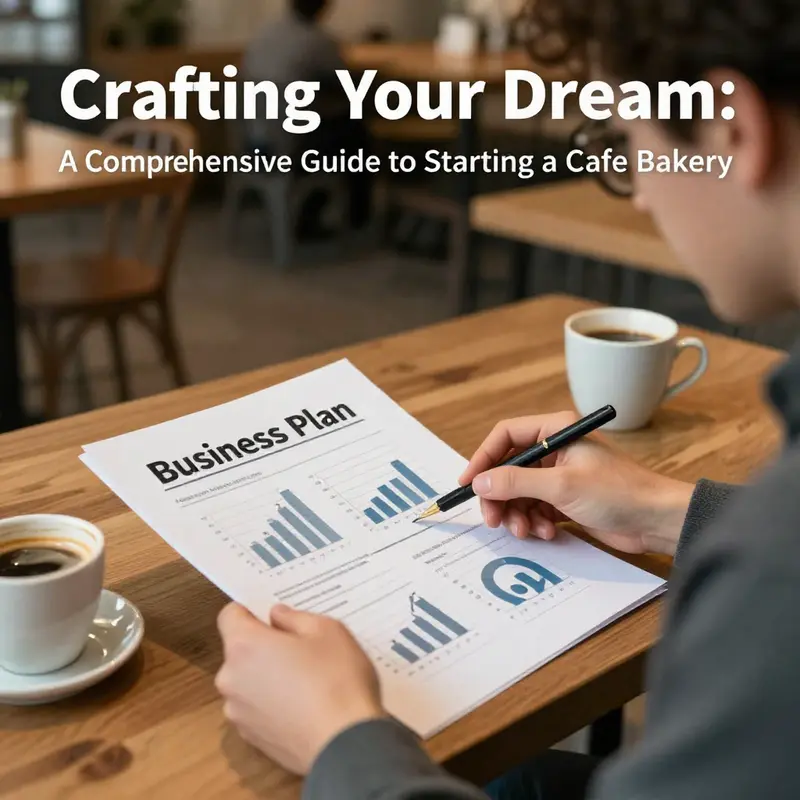
The journey from a bakery dream to a bustling café begins with a single, robust plan that holds together craft, community, and commerce. A detailed business plan is not a dry ledger of numbers; it is a living map that guides every decision, from the moment you select a neighborhood to the cadence of your staff shifts and the rhythm of your oven. In this chapter, we move beyond inspiration and into the practical artistry of planning. The heart of the plan is a clear, credible vision: a cozy space where high-quality, handmade pastries meet excellent coffee, where sustainability informs every choice, and where the community feels welcome to linger, learn, and connect. This vision translates into a concise executive summary that captures the essence of what you will offer, why it matters to the local area, and how you intend to measure success. It should speak in concrete terms about location logic, the promise of freshness, and the values that will shape every menu, every supplier relationship, and every customer interaction. A well-crafted summary doesn’t overwhelm with jargon; it invites scrutiny and investment by painting a vivid, trustworthy picture of the business you intend to build. In practical terms, the executive summary anchors the plan and aligns stakeholders—from lenders to future partners—around a shared direction. It also invites you to stay disciplined when choices become noisy. The next layer, market analysis, anchors the dream in reality. You’ll reframe your niche not as a broad “coffee and pastries” concept but as a curated experience that blends artisanal baking with thoughtfully sourced beverages. The data matters here: a growing appetite for premium, locally sourced ingredients, and a preference for sustainable packaging. These trends aren’t abstractions; they shape menu design, supplier selection, pricing, and even the cadence of promotions. Think of your target customers as a spectrum rather than a single stereotype: busy professionals seeking reliability, students seeking a welcoming study zone, remote workers needing outlets for focus, and families looking for a friendly weekend scene. Understanding the mix helps you tailor hours, seating arrangements, and the balance between quick bites and longer visits. The plan then threads location and facilities into a coherent operational story. Your choice of site is not merely about foot traffic; it is about compatibility with your production schedule and your service model. A space that supports a daily baking program and a compact, efficient service counter becomes a competitive advantage. The layout should optimize safety, speed, and aroma—those invisible magnets that draw customers in. The kitchen design must accommodate a pre-dawn production rhythm, with a plan for batch baking, cold storage, and display that is both practical and aesthetically pleasing. The equipment list, while grounded in reality, is not a shopping spree; it is a carefully weighed set of tools that balance reliability, energy efficiency, and cost. A bakery that starts at dawn needs a dependable system for ordering and inventory, with waste reduction baked into the process. In the same breath, sourcing strategies become about consistency and provenance. Relationships with local mills, farms, and cooperatives ensure flavor and traceability while reducing supply chain risk. Your menu development follows a disciplined rotation: a core set of items that define your identity, plus seasonal offerings that reflect the calendar and the terroir of your region. This approach protects quality and helps your team maintain confidence as volumes rise. Production schedules should be explicit, yet adaptable to demand. A practical plan might bake pastries overnight and stagger bread production to maintain freshness throughout the day, with real-time tracking of inventory to minimize waste. The financial backbone of the plan translates ambition into numbers you can live with. Start with startup costs that cover leasehold improvements, essential equipment, initial inventory, and a calculated marketing push. From there, project monthly operating expenses and realistic revenue targets based on foot traffic, average spend, and seating capacity. A credible pricing strategy is essential: prices must reflect ingredient costs, labor, overhead, and the value of the experience you provide. In some cases, a 3–4 times rule for ingredient costs can serve as a guardrail, but you must validate it against your market and your cost structure. The numbers also shape organizational design. A lean initial team focused on consistency and service quality is often wiser than a large corps that dilutes accountability. A solid plan anticipates hiring needs, training protocols, and a culture that empowers staff to contribute ideas—because a bakery thrives when bakers and baristas feel ownership of the product and the process. Marketing and sales are not add-ons; they are integrated into every touchpoint. Pre-launch activities should create anticipation without overstating capabilities: a soft opening, targeted invitations to local media, and a digital presence that introduces your brand voice. Ongoing marketing must blend digital tactics with local engagement. Story-driven content—showing the people behind the pastries, the origin of ingredients, and the craft of baking—builds trust and invites repeated visits. A loyalty program can be a cornerstone of revenue stability, rewarding not just purchases but engagement, such as referrals and attendance at community events. The financial plan then returns to reality with a clear path to profitability and growth. Break-even analysis becomes more than a line on a page; it is a practical target that informs daily decisions about staffing, production, and promotions. A well-positioned café bakery, with a strong emphasis on consistency, can reach a sustainable margin while maintaining the warmth that draws customers back. Legal and compliance considerations are interwoven with every plan. You will need the standard licenses, permits, and insurance, plus a robust allergen awareness program and signage that keeps you aligned with safety guidelines. An exit or evolution strategy—whether scaling to additional locations or exploring a franchise model—should be described with the same care as your daily operations. The strength of any plan is its flexibility to adapt to the unknown without sacrificing core principles. It is tempting to describe expansion in grand terms, but the most durable growth emerges from consistent quality, a loyal community, and an efficient operation that can weather shifts in demand. To illustrate how this translates into real life, consider how a nearby operation embodies the plan’s principles. A café that prioritizes hyper-local sourcing, a rotating menu, and a community schedule demonstrates what happens when intention meets execution. A practical way to explore such a model is to review a local example that aligns with these goals. Dulce Vida Café offers a case study in turning a values-driven plan into tangible daily practice, from supplier contracts to in-house pastry production and customer engagement. Of course, no single example covers every market, but it helps to visualize how the pieces fit together. For those seeking a structured framework to bring these ideas to life, countless templates and templates exist to guide you, and those resources can be a valuable starting point. As you refine your plan, keep a single benchmark in sight: consistency in quality, combined with authentic community engagement and operational efficiency. The most successful cafe bakeries treat each day as a proof of the plan they wrote, not as a triumph of luck. In your notes, place a link to practical resources and templates that you can pull from quickly when faced with a decision—this keeps your plan actionable rather than aspirational. For readers who want to deepen their planning toolkit, a well-regarded external resource offers templates and actionable frameworks that complement your internal calculations. External resource: https://www.lark.com/blog/caf%C3%A9-business-plan-template
Funding the Dream and Clearing the Legal Hurdles: A Practical Roadmap for Starting a Cafe Bakery

Securing the money to launch a cafe bakery and navigating the legal maze are twin edges of the blade that separates a hopeful concept from a bustling, compliant business. The most successful cooks in this space know that the recipe begins long before the first oven lights. It starts with a precise, credible plan for money and a disciplined map of permits, licenses, and registrations. When you couple a well‑researched financial forecast with a clear legal pathway, you create a foundation that appeals to lenders, investors, and local authorities alike. The aim is not to squeeze every penny from the venture but to align cash flow, risk, and compliance so the business can breathe, grow, and weather inevitable bumps in the road. In practical terms, that means building a funding strategy that blends personal commitment with external capital, and pairing it with a transparent, enforceable set of legal steps that keeps you in good standing from day one.
Begin with the scale of the dream and the reality of the numbers. Start by walking through the major startup costs: leasehold improvements, specialized equipment, initial inventory, and the working capital needed to cover 3 to 6 months of operating expenses. A bakery‑forward cafe typically demands more upfront investment than a simple coffee bar, because walls, ventilation, and a production kitchen must meet health and safety standards, and you will want a layout that supports efficient production without sacrificing customer experience. Map these costs against a credible revenue forecast grounded in your niche, target customers, and local competition. The goal is a break‑even point where your daily volume, average ticket, and operating hours translate into steady cash flow, even during slow seasons. When you present this plan to lenders or potential partners, the numbers should tell a coherent, low‑risk story. They should show that you understand not only what you’ll sell, but how you’ll operate, how much you’ll pay, and when you’ll reach profitability. A thorough forecast also highlights contingencies—a plan for supply delays, a temporary dip in foot traffic, or an equipment failure—so lenders see resilience rather than reliance on luck.
Character and credibility matter just as much as calculations. A persuasive funding package combines a robust business plan with documented proof of funding sources. Personal savings remain the most common starting point, signaling your commitment and reducing risk for lenders. Beyond personal funds, explore small business loans offered through traditional banks or government programs. The SBA’s 7(a) loan program, for example, can provide substantial capital with favorable terms, recognizing the lender’s risk is mitigated by a solid plan and collateral. If you pursue debt or equity, you’ll need clear terms, a well‑defined ownership structure, and a transparent equity or loan agreement that spells out profit sharing, repayment schedules, and governance. Crowdfunding can serve a dual purpose: it raises capital while building early community support. Grants, particularly those aimed at minority‑owned or community‑driven ventures, can bolster working capital without immediate repayment obligations. The thread common to all these routes is a carefully prepared set of financial statements, an honest assessment of risks, and a timeline for milestones. A detailed pro forma that aligns with a realistic marketing plan helps you answer the essential question from any investor or lender: why now, why you, and how will this be sustainable?
In practice, the preparation also involves a disciplined view of the business model. Decide whether you will operate as a compact bake‑and‑sell shop or as a larger space with a full menu, events, and coffee program. Each path has distinct funding implications, timelines, and licensing considerations. No matter the model, your plan should articulate a clear pricing strategy that covers ingredient costs, labor, rent, utilities, and depreciation, and still offers value to customers. A widely cited heuristic is to price products at several times their raw material cost to maintain margins while staying competitive in your market. This is not a call to overprice but a reminder that the cost of doing business in a space with ovens, a display area, and a front counter is higher than many home kitchens. As you chart prices, bake in reserve for marketing and technology investments—these are not optional add‑ons but essential components of long‑term growth.
Once funding starts to crystallize, the legal work begins in earnest. The essentials map to a sequence that can feel almost ceremonial, yet skipping a step is a common source of delay. First, secure a business license or certificate of occupancy (CO) to legitimize your operation and confirm the space is suitable for commercial activity. The CO process ensures your location meets zoning, safety, and fire‑code requirements, a non‑negotiable for any place serving food and drinks. Next, obtain an Employer Identification Number (EIN) from the IRS. This number anchors your payroll, tax reporting, and hiring, and is indispensable for setting up business banking. For the kitchen, a Food Service Permit or Food Facility Permit from the local health department is critical. This permit signals that your facility adheres to safe handling, storage, and sanitation standards, and it typically requires floor plans, equipment lists, and an inspection. If you plan to offer alcohol, a separate license through the state ABC board follows a more extensive track with background checks and community notification requirements. A Seller’s Permit or Sales Tax Permit is also essential, enabling you to collect and remit sales tax on baked goods and beverages. In some locales, a home‑based configuration demands a special permit or variance, meriting a careful check of zoning rules before you even lease a storefront. Trademark protection, while optional, is a prudent long‑term investment to shield your brand as you grow. It prevents confusion and adds a layer of value should you seek partnerships or sale in the future. Taken together, these steps require patience and organization, but proceeding in a deliberate order minimizes friction and avoids last‑minute changes that can derail a grand opening.
In practical terms, you can view the process as a progression from institutionally verifiable steps to more specialized permissions. Start with the core business identity—LLC or sole proprietorship and an EIN—and then move to location‑specific requirements like CO and health permits. Simultaneously, build a landscape of compliance for operational details: food safety SOPs, employee hygiene training, and documented standard operating procedures for recipes, production schedules, and sanitation routines. Insurance is the silent backbone of a responsible business; general liability, property, and workers’ compensation protect both you and your team as you scale. Technology can streamline this phase as well. A modern POS with integrated reporting helps you capture sales, labor, and waste, while accounting software keeps your financials transparent for lenders and investors. As you negotiate with landlords, lenders, and the local health department, transparency about your timelines, costs, and compliance readiness earns trust and expedites approvals. The goal is not merely to meet minimum requirements but to phase into a well‑governed system where every contract, permit, and policy reinforces your brand’s reliability.
A practical note ties the narrative to everyday steps. Build a simple yet thorough documentation folder: a current business plan with revised projections, a budget, licensing checklists, insurance certificates, and a folder of vendor agreements and lease terms. This dossier becomes your portable pitch for lenders and partners and a living document to update as you approach milestones. Remember that a well‑funded launch is not just about the money you raise; it’s about the discipline you show in planning, the attention you pay to safety, and the clarity you provide to every stakeholder. In the spirit of community and craftsmanship, you can model your approach from a local example that blends financial prudence with a thoughtful customer experience—an approach you can emulate in your own dream project. For readers exploring a connected cafe concept, a practical example of this balance can be explored through a nearby café profile that chats about its pre‑opening steps and community engagement in a way that echoes the same disciplined process outlined here. See Dulce Vida Cafe for a real‑world sense of how funding decisions and brand integrity intersect in a working space: Dulce Vida Cafe.
As you move toward launch, keep the momentum by aligning every financial decision with the legal path and every legal step with your business plan. The synergy of careful funding, robust planning, and rigorous compliance will not only help you secure capital more readily but also support a smoother, faster path to a safe, compliant, and profitable cafe bakery. In the chapters that follow, you’ll see how ongoing optimization—based on customer feedback, sales data, and operational analytics—lowers risk further and fuels sustainable growth. The bridge between dream and reality is built on clear numbers, accountable processes, and the steady confidence that comes from doing things right from day one.”
Final thoughts
Successfully starting a cafe bakery requires a combination of passion, strategy, and practical planning. By defining your niche and conducting comprehensive market research, you set the stage for a tailored business plan that aligns with your unique vision. Securing adequate funding and understanding the legal landscape are critical steps that cannot be overlooked. Together, these elements lay the groundwork for a thriving cafe bakery that not only serves delicious baked goods but also fosters a sense of community and connection. Embrace the journey ahead with determination and clarity to turn your dream into a reality.