
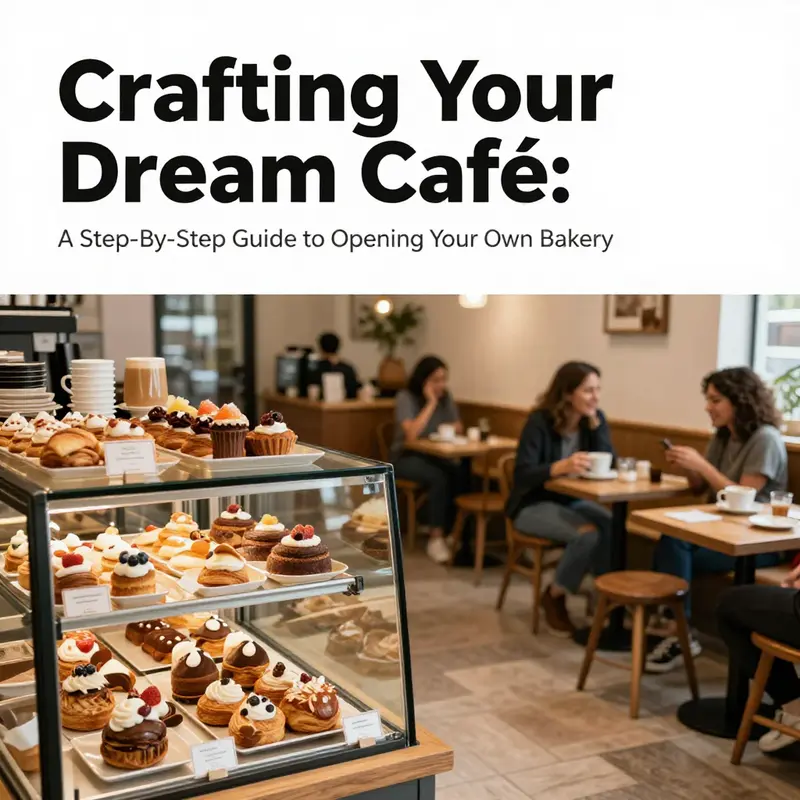
Starting a café and bakery is a rewarding journey that intertwines culinary artistry with entrepreneurial spirit. As a future business owner in this vibrant sector, understanding the foundational elements is essential for setting yourself up for success. This guide explores the intricacies involved in launching a café and bakery, taking you through defining your concept and conducting thorough market research, selecting the ideal location while managing costs effectively, and building a compelling product line along with solid supplier relationships. By the end of this comprehensive overview, you will be equipped with the knowledge to navigate the challenges and seize the opportunities within this booming industry.
From Vision to Reality: Crafting Your Cafe and Bakery Identity Through Purposeful Research

Starting your own cafe and bakery is an exciting journey that blends creativity with business insight. Every great venture begins with a clear vision and thoughtful research. You must define an identity that attracts your ideal customers and sets you apart from the crowd. This process is both exhilarating and challenging, as it calls for creativity, careful planning, and realistic market insight.
A solid concept is the heartbeat of your business. It answers fundamental questions about the look, feel, and purpose of your cafe and bakery. Ask yourself: What kind of experience will you create? Will your space offer a warm, community vibe with locally sourced pastries and comfortable seating, or will it embrace modern minimalism with a focus on specialty coffees and innovative baked treats? The choices you make at this stage will determine every subsequent decision, from décor to menu items. By making your vision tangible, you give customers a reason to believe in your brand. The clarity of your concept encourages consistency in every part of your operation.
Equally important is the research you conduct to support and refine your concept. Studying your potential market is essential to understand customer preferences and local demands. Walk through prospective neighborhoods at different times of day. Observe the flow of foot traffic. Note when and how other cafes attract their customers. Look at local demographics to determine which groups frequent the area. Are there many families looking for a clean, friendly space? Do busy professionals need a quiet corner to relax with artisanal baked goods? These observations help shape a concept that truly resonates with your future clientele.
Market research also means studying your competition. Visit nearby cafes and bakeries and pay attention to their strengths and weaknesses. Find out if local establishments offer similar tastes or if there is a gap in specialty items like gluten-free pastries, vegan cakes, or unique coffee blends. In many cases, niche markets can be incredibly rewarding for businesses that fill a void. You may notice that some areas either lack hustle during mid-mornings or do not offer enough variety for a diverse crowd. This information steers you toward opportunities where your concept can thrive. Even a small observation, like the absence of a community hub with a family-friendly menu, can ignite a successful business idea.
It is important to blend creativity with hard data. Carry out surveys and informal interviews with local residents. Ask about their dining habits, flavor preferences, and their overall vision of what a perfect neighborhood cafe should feel like. Online polls or in-person conversations can yield insights you cannot ignore. These voices from your community will help confirm or adjust your initial concept. The resulting feedback is a powerful guide in refining your ideas. Start small and remain flexible so that your offerings can evolve as you learn more.
Every detail, from the scent of fresh bread to the aroma of coffee, contributes to the identity of your business. Your concept must be clear enough to inspire every decision, from menu design to interior style. It is wise to consider every element as part of the brand experience. This integrated approach builds authenticity, a quality that customers appreciate deeply. A unified brand message spreads by word of mouth and social media, making it easier for you to attract a loyal following. In this way, your concept becomes both your story and your selling point.
Selecting a location should be considered an extension of your market research findings. Look for busy streets, convenient access points, and areas with a welcoming community ethos. An ideal location is more than just a physical address; it should reflect the spirit of your concept. For example, a cozy neighborhood cafe may perform best in a residential area with strong local ties, while a sleek, modern bakery might shine in a busy business district. The location gives you a tangible connection to the local community and enhances your overall brand image. Not only does it boost foot traffic, but it also affirms the values that your cafe stands for.
Invest time in compiling detailed research notes. Create a list of potential locations, noting the flow of people, surrounding businesses, and overall ambiance. When possible, visit an establishment like the reputable Dulce Vida Cafe to observe firsthand how location influences customer behavior. Such visits can inspire you and provide practical lessons on how to operate successfully in your chosen market. The insights you collect will help guide your decisions on everything from interior design to product offerings.
One must also consider the balance between cost and quality. Budget wisely by targeting locations where rent is reasonable relative to projected revenue. This delicate balance supports sustainable growth in the early stages of your business. And while budgets guide financial decisions, they should not stifle creativity. Invest in details that ensure a warm, inviting atmosphere and high-quality goods. Every element must support the overall vision. Your dedication to harmonizing cost and quality will build a foundation for long-term success.
In this phase, every decision is a building block toward establishing your cafe and bakery as a local favorite. The process of defining your concept and undertaking thorough market research is not just preliminary—it is the strategic backbone of your entrepreneurial venture. When the vision is clear and supported by data, each choice you make becomes a confident step. It builds a brand that speaks directly to the tastes and needs of its customers. The journey begins with simple ideas and grows into a vibrant community space where every pastry, every cup of coffee, carries a personal touch.
Embrace this creative process wholeheartedly and allow your research to guide meaningful decisions. Every observation, every interaction, and every piece of feedback plays a crucial role in shaping your business. Ultimately, your commitment to a clear vision and diligent market research will not only attract customers; it will create an experience that resonates deeply with your community. For a comprehensive guide on these foundational steps, review the detailed insights provided in the Stripe resource on starting a cafe.
Let your concept shine and your research lead the way as you transform your passion into a thriving business venture. Every careful step now builds the promise of creating a memorable cafe and bakery that welcomes customers day after day.
Finding the Ideal Locale and Mastering Cost Efficiency for Your Café and Bakery
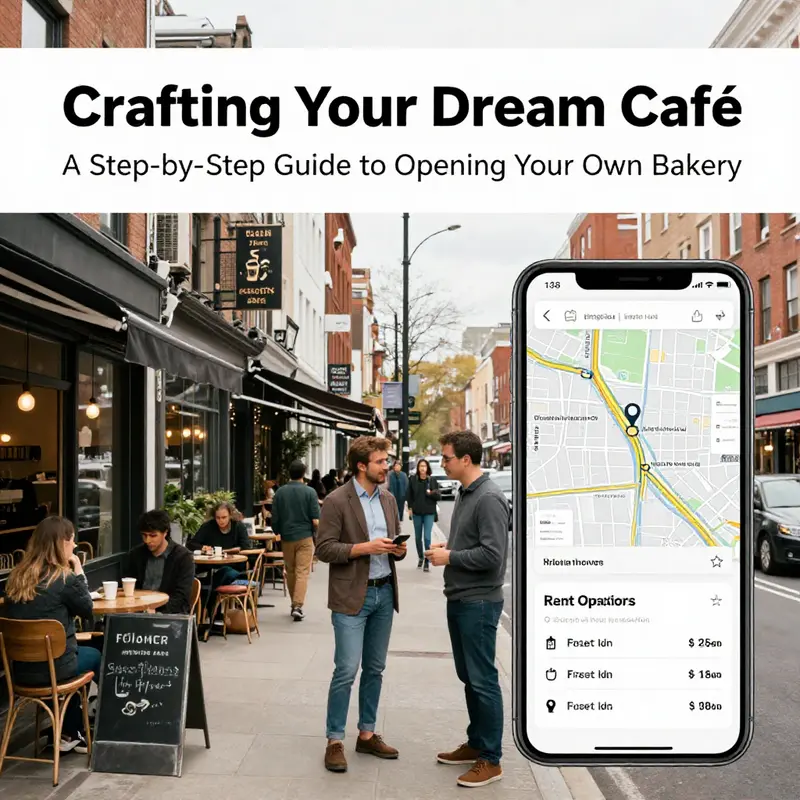
When planning to launch your own café and bakery, selecting the right location and managing your expenses with precision are not just preliminary steps; they are the very foundation of your venture’s long-term success. A well-chosen site does more than offer foot traffic—it creates an environment where your unique concept can flourish and where every dollar spent can yield a measurable return. This chapter serves as an in-depth exploration of how to strike the perfect balance between location selection and cost management, ensuring that your business grows sustainably and profitably.
At the heart of every vibrant café and bakery is a locale that not only attracts visitors but resonates with the intended audience. It is important to remember that high pedestrian numbers do not automatically translate into sales if those passersby do not fit the profile of your target customer. For instance, if your business model caters to busy professionals looking for a quick yet quality coffee break paired with freshly baked delights, you might consider a location near office buildings, transit stations, or business districts. In contrast, a neighborhood setting with a close-knit community may be ideal if you plan to serve families and locals who appreciate a relaxed atmosphere. In making your decision, you must take into account not only the raw numbers of foot traffic but also the potential conversion rate of those who frequent the area.
Observing the environment at various times of day is a critical practice. It is wise to record the flow during peak periods such as early mornings and lunchtime, as well as quieter moments in the evening. These observations offer insights into the rhythm of local activity, allowing you to predict when your café and bakery will be most in demand. It is during these times that the true value of a location is revealed. A well-positioned shop in a bustling business area might see over 30 potential customers per hour when morning rush meets coffee cravings, a figure that has proven essential for many successful start-ups. Such an approach arms you with data, making negotiations with landlords more informed and strategic.
Cost management is equally as critical as location selection. One of the most widely recommended strategies is to ensure that rent does not exceed 15% of your expected gross monthly revenue. Overspending on rent can derail your business even if other aspects, like product quality and customer service, are outstanding. This rule of thumb encourages you to think critically about what you are paying for and whether the space will truly yield the sales needed to justify its price. It is advisable to negotiate lease terms that include staged or step-up rent arrangements, especially during the early stages when your revenue is still climbing. These flexible terms can help stabilize cash flow while your business builds momentum.
Another strategy is to conduct a rigorous cost-benefit analysis, weighing the high price of a premium location against potential revenue gains. While a storefront in a crowded downtown area might seem enticing due to its visibility, the realities of steep rental costs and fierce competition can quickly erode profits. In contrast, sites in residential neighborhoods or secondary commercial zones may offer lower lease rates and a more community-oriented clientele. This trade-off often results in a more sustainable financial model and can help you avoid the pitfalls of overextending at the outset.
In addition to rental concerns, operational expenses must be closely monitored. The costs associated with equipment, supplies, and staffing can accumulate rapidly, so investing in high-quality, durable equipment from the start is essential. Whether it is a semi-automatic espresso machine or a commercial-grade oven, every investment should be justified with thoughtful projections about its contribution to your business’s daily operations and overall customer satisfaction. Your ability to keep these expenses under control while ensuring high performance will contribute significantly to your bottom line.
It is also beneficial to look for complementary business opportunities. Consider partnerships that offer cross-promotion possibilities. For example, aligning your store with another food-related business that attracts a similar clientele can create a mutually beneficial environment. One effective tactic is to integrate internal promotions and offers that encourage customers to try both products simultaneously, thereby increasing the average spend per visit. A case in point is the use of bundled offers such as linking a coffee purchase to a pastry discount, a strategy that has increased overall sales in several successful businesses. To learn more about this synergy, check out the insights on Dulce Vida Cafe.
Accessibility and visibility are further cornerstones of a viable location. The best location is one that is easy to reach, ideally near public transit hubs, with ample parking or bike racks readily available. The storefront should be designed to be inviting and clear, with a prominent sign that can capture the attention of pedestrians from a distance. Simple improvements like good lighting and clear pathways can make a significant difference in attracting walk-in customers who might otherwise overlook your business. This focus on physical presentation is as important as the internal operation of your establishment.
Equally, focusing on cost management means avoiding areas saturated with similar offerings. High competition not only drives down margins through price wars but can also dilute your brand message. Carefully scouting the local market helps you understand where there may be gaps—locations that are underserved or niches that remain untapped. Your objective is to secure a space that not only draws in a crowd but also supports your pricing strategy and product offerings without being overshadowed by competitors.
Balancing these two critical components—location selection and cost management—requires meticulous planning and ongoing evaluation. Both elements are intertwined; the success of one often relies on the strength of the other. As you refine your approach, continually revisit your initial assumptions and be prepared to make adjustments in response to real-world performance. The decisions you make at this early stage will have lasting implications, making it essential to rely on robust data, lean financial practices, and a clear understanding of your customer base.
For many burgeoning café and bakery entrepreneurs, this phase of planning is one of the most challenging yet rewarding steps in launching a successful business. By diligently researching potential locations, performing cost analysis, and staying attuned to customer habits, you can create a solid foundation upon which every subsequent aspect of your business can be built. This journey is not just about finding a space to operate from; it is about creating a home for your brand where every element is aligned toward profitability and community engagement.
In summary, the careful selection of a location paired with disciplined cost control strategies forms the backbone of your future success. As you move forward with your venture, continue to analyze, refine, and adapt your strategies based on on-the-ground realities. For further insights on managing daily operations and harnessing market opportunities, you may consider exploring the research available on retail operations at Retail Management: The Art of Cost Control. Your commitment to smart planning and operational excellence will ensure that your café and bakery not only opens its doors to the community but continually thrives in a competitive marketplace.
Crafting Culinary Excellence: Curating Your Menu and Forging Strategic Supplier Partnerships
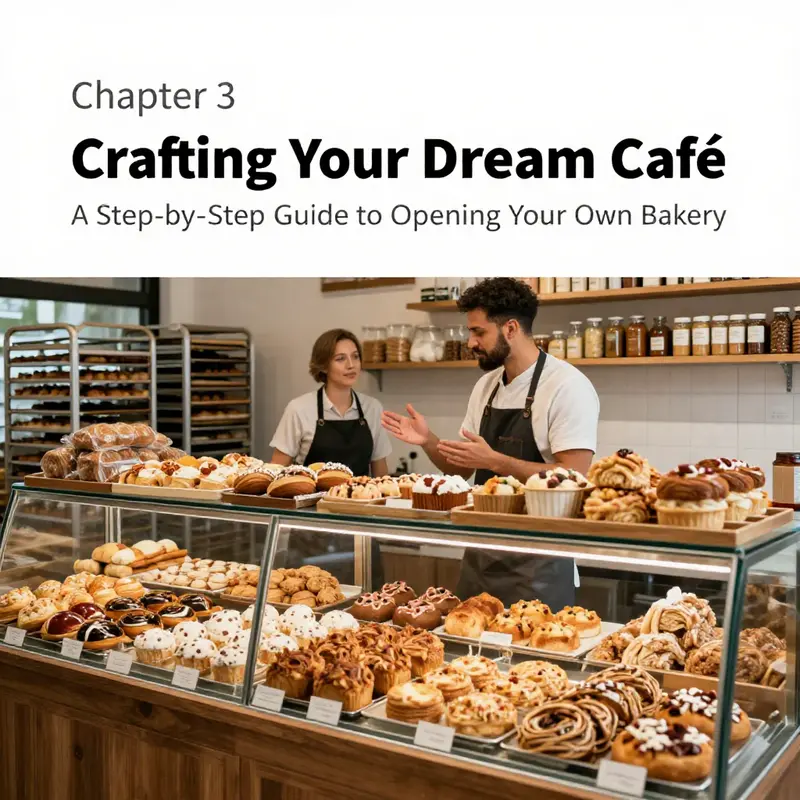
Building a Unique Brand Through Your Menu and Supplier Alliances
The success of your cafe and bakery hinges on an artful blend of a compelling product line and strong, reliable supplier relationships. When you step into the world of artisanal breads, freshly brewed coffee, and enticing pastries, your ability to define a clear identity in a competitive market is paramount. This chapter demonstrates that every decision—from selecting the best ingredients to designing an inviting menu—is interwoven with your ambition to create a warm and memorable space for your customers.
Your product line is the heart and soul of your business. Every item you offer must reflect your vision and meet your target market’s expectations. Begin with precise market positioning, where you decide whether your cafe will provide an intimate, community-driven experience or a modern, trendy environment that celebrates innovative flavors. An approachable neighborhood spot may feature staples like fresh sourdough toast, cinnamon rolls, or classic muffins at an affordable price, while an upscale urban cafe might offer bold, Instagram-worthy pastries and specialty coffee selections that justify premium pricing.
A well-structured menu rarely overwhelms the customer. A balanced approach can be achieved by adhering to the model in which approximately 30% of your offerings serve as introductory or referral items, enticing people with affordable and familiar choices. About 50% of your menu should comprise your profit drivers—premium items that showcase the finest ingredients and unique preparation techniques. The remaining 20% can feature seasonal or limited-time offerings that create excitement and encourage regular visits. Such a formula not only simplifies inventory management but also lends itself to operational efficiency. Limiting your initial stock-keeping units to a carefully curated 15 to 20 core items means you can maintain quality control and adjust quickly to customer feedback, ensuring that your brand remains nimble and innovative.
To truly stand out, every dish or drink must tell a story. The story begins with sourcing high-quality ingredients and continues through the creative process of recipe development. This is where the strength of your supplier relationships becomes critical. Think of your suppliers as more than just vendors; they are your partners in quality and innovation. When evaluating potential suppliers, consider factors beyond their price points. Reliability, consistency, and additional value-added services such as technical training or recipe development support make a substantial difference in the long-term success of your cafe and bakery.
Partnerships with local and regional suppliers can lead to better pricing, fresher ingredients, and even the opportunity for collaborative marketing efforts. For instance, digital connections made with local coffee roasters can streamline your operations and allow you to adapt product bundles based on demand trends in real time. Direct digital ordering minimizes overhead costs and bolsters supply chain efficiency. Successful operators often employ micro-commerce systems to reinforce these direct partnerships, helping to reduce logistics costs and ensuring that every ingredient meets your quality expectations consistently.
Crafting a meticulous supplier contract is essential. The contract should detail clear parameters regarding delivery reliability, ingredient sourcing transparency, and quality control measures. It is wise to incorporate contingency clauses that address potential disruptions, whether from supply shortages or unexpected increases in demand. Such foresight builds resilience into your operation. By cultivating strong supplier relationships, you ensure that your business remains agile and capable of scaling up when opportunity arises. This diligence in managing supplier relationships underpins the promise of a quality product every time a customer steps through your door.
Integrated within your operational strategy is the careful calibration of product pricing. A smart pricing model considers the cost of high-quality ingredients, labor, and the value your customer experience promises. Maintaining a balance between affordability and a premium feel requires a deep understanding of your market and an analytical approach to financial planning. Often, your long-term profitability is tied directly to the delicate equilibrium maintained between your product offerings and the sustainable cost structures negotiated with suppliers.
This journey of menu development and supply chain optimization is emblematic of the greater process of establishing a successful cafe and bakery. It is not solely about churning out delicious products but about creating an immersive experience that resonates with customers both emotionally and sensorially. As you refine your menu, consistently review supplier performance and adapt your strategies to emerging trends and customer preferences. For an illustrative example of the importance of directly connected supplier systems, discover more about how digital platforms are reshaping this relationship at the Dulce Vida Cafe.
The commitment to quality and innovation in every aspect of your operations—from the recipes you perfect to the supplier agreements you negotiate—forms the backbone of an enduring brand. Effective management of these vital components often results in significant operational efficiencies, better margins, and a more engaged customer base. This strategic approach is crucial in transforming a simple menu into a signature expression of your brand’s identity.
For further insights into managing supply chain challenges and establishing resilient operational practices, refer to the detailed external resource at: How to Efficiently Operate a Coffee Shop and Solve Supply Chain Challenges.
Final thoughts
Opening your own café and bakery requires careful planning and execution, where every detail from concept to location contributes to your overall success. As you embark on this delicious endeavor, remember the significance of understanding your market, strategically selecting your location, and developing a quality product line supported by reliable suppliers. By following the insights shared in this guide, you are well on your way to not only fulfilling your entrepreneurial dream but also creating a space where community and culture converge around excellent food and great coffee.