
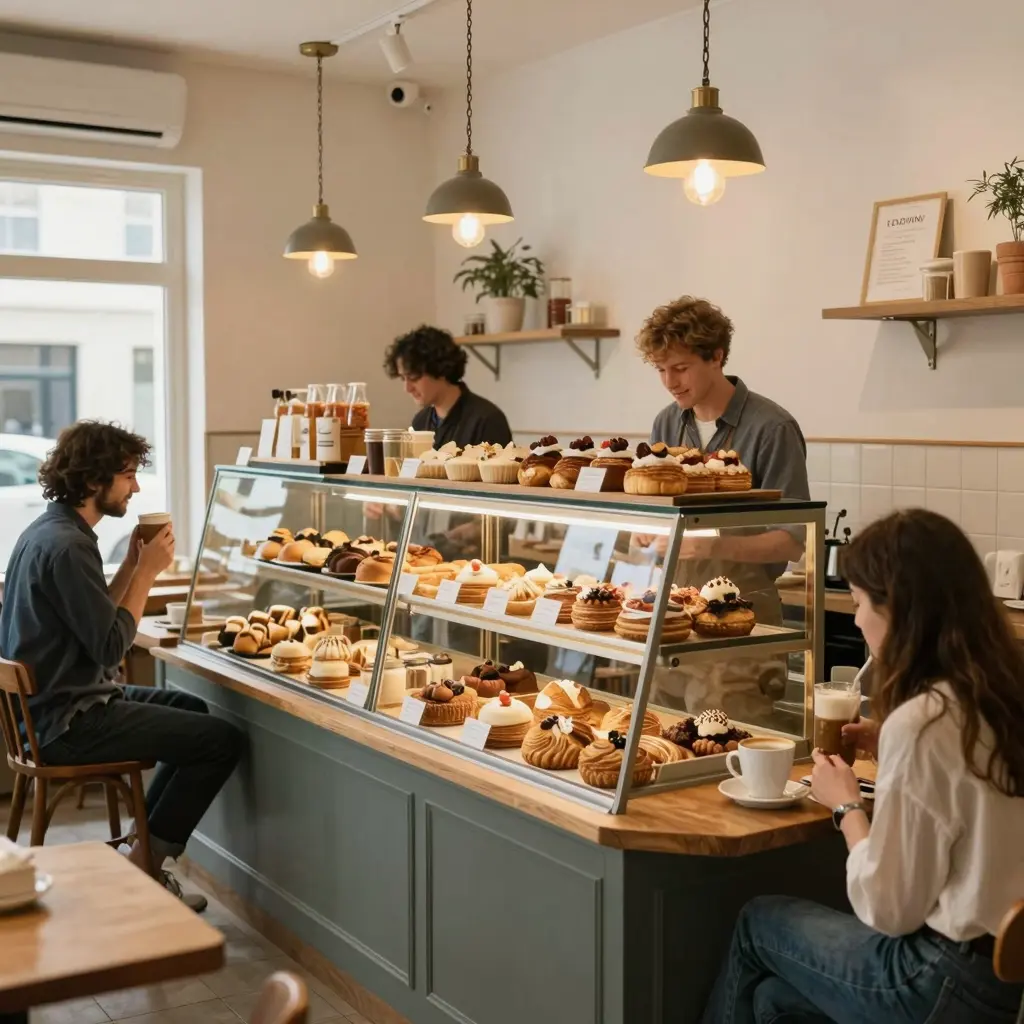
Starting a small bakery cafe is not just about selling baked goods; it’s about crafting joy and community through the delightful art of baking. The aroma of freshly baked bread, the sight of beautifully decorated pastries, and the warm atmosphere of a cafe can turn a simple idea into a thriving business venture. With a small bakery cafe, you have the unique opportunity to share your passion for baking with the world, creating a space where customers feel welcome and content. Whether you’re an experienced baker or a passionate home cook, the journey of launching a small bakery cafe can be incredibly fulfilling. From perfecting your signature recipes to designing an inviting storefront, every step is a chance to express your creativity and build a loyal customer base. In this guide, we’ll explore the essential steps to turn your dream into reality, emphasizing the potential for success that comes with starting a small bakery cafe. Let’s embark on this delicious journey together! To get a feel for what it entails, learn more about our journey into baking and what is needed to open a cafe.
Essential Equipment Needed for a Small Bakery Cafe
Starting a small bakery cafe requires a variety of essential equipment to ensure smooth operations and high-quality baked goods. Here’s a list of 10 crucial items you’ll need:
- Oven: A high-quality oven is critical for baking bread, pastries, and other delicious items.
- Stand Mixer: This essential tool helps in mixing dough and batter efficiently, vital for consistency in baking.
- Refrigerator: Proper refrigeration is necessary for storing ingredients and finished items like cakes and pastries.
- Display Case: An attractive display case allows customers to see your baked goods, making it easier to entice purchases.
- Baking Sheets and Pans: Various sizes and types of baking sheets and pans are required for different baking needs.
- Digital Scale: A scale ensures accurate measurements, which is essential for baking success.
- Mixing Bowls: A set of mixing bowls in different sizes is necessary for various ingredients and preparations.
- Proofing Cabinet: This equipment provides the right environment for dough to rise, an essential step in baking.
- Sinks: Both hand-washing and food-preparation sinks are essential for maintaining hygiene in the bakery.
- Storage Containers: Proper containers are needed for storing ingredients, ensuring they remain fresh and organized.
These essential items lay the foundation for a successful bakery venture. To gain further insights about starting your bakery cafe, consider reading this comprehensive guide.
Estimated Costs of Essential Equipment and Supplies for a Small Bakery Cafe
Starting a small bakery cafe involves a significant investment in essential equipment and supplies. Below is a chart illustrating the estimated costs of the equipment you will need:
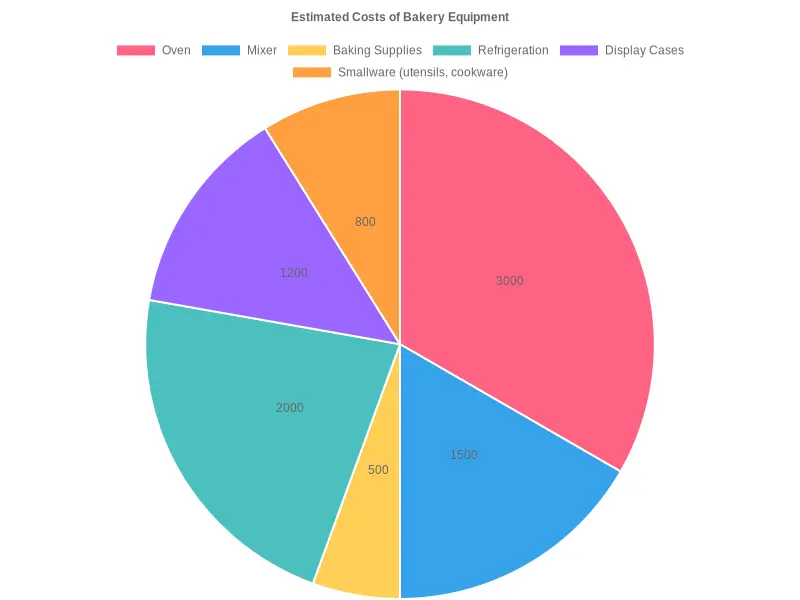
| Equipment/Supply | Estimated Cost |
|---|---|
| Oven | $3,000 |
| Mixer | $1,500 |
| Baking Supplies | $500 |
| Refrigeration | $2,000 |
| Display Cases | $1,200 |
| Smallware (utensils, cookware) | $800 |
These costs can vary based on your location and specific needs, so it is important to plan your budget accordingly. For more resources on starting a bakery, check out this guide and essential supply list.
Menu Planning and Pricing Strategies for a Small Bakery Cafe
Importance of Menu Planning
Menu planning is a crucial aspect of operating a small bakery cafe, as it directly influences customer experience, revenue, and brand identity. A well-structured menu not only showcases your best products but also guides customer choices and enhances their visit. Here’s why menu planning is vital:
- Customer Preferences: Understanding customer preferences allows bakers to tailor their offerings. Whether it’s gluten-free options, artisanal loaves, or trendy pastries, an appealing menu caters to diverse tastes.
- Operational Efficiency: A streamlined menu can simplify kitchen operations, reducing waste and improving staff productivity. Focusing on a limited selection of high-quality items can increase efficiency and consistency.
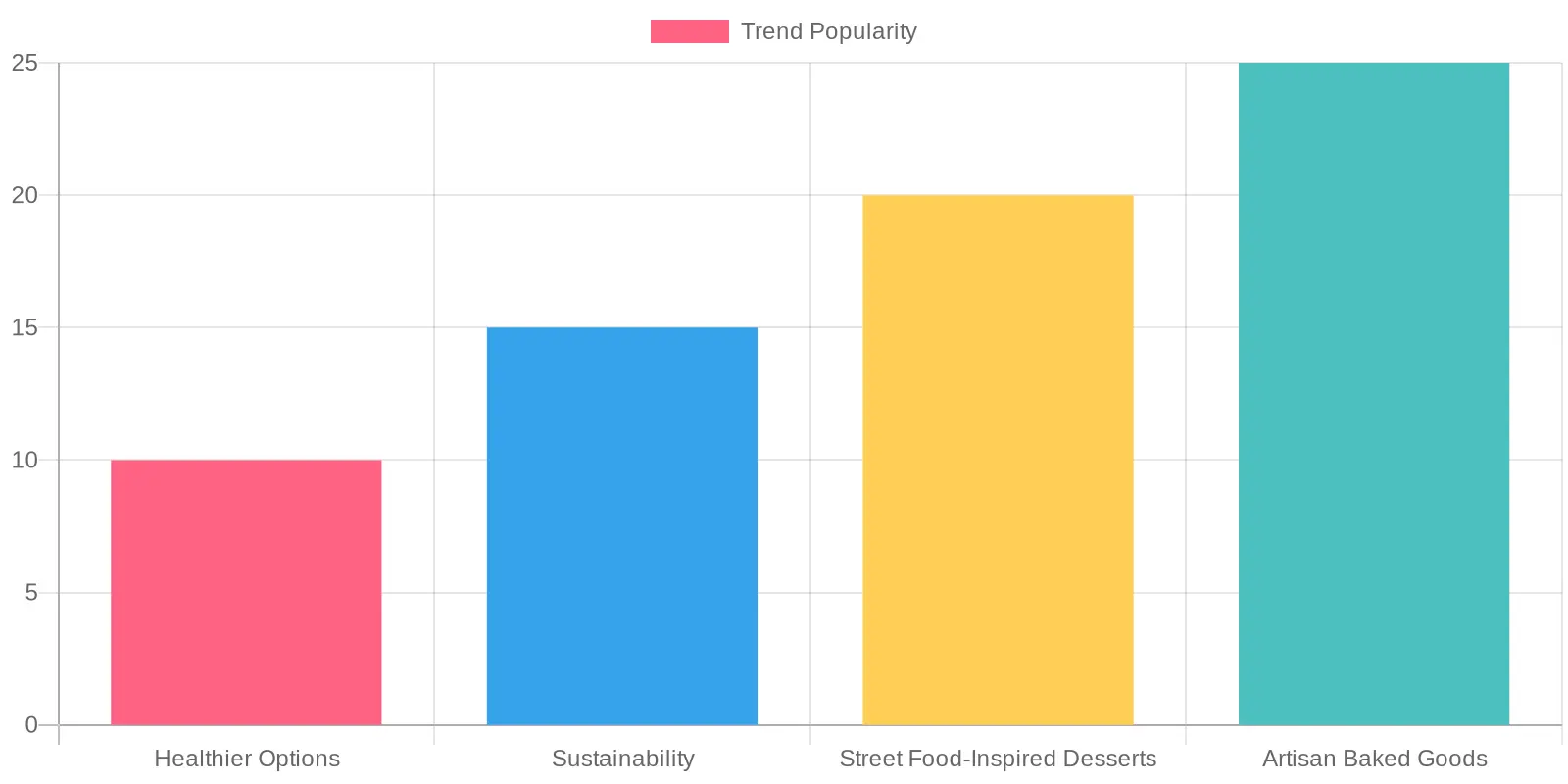
- Market Trends: Keeping abreast of baking trends, such as the rising demand for healthier baked goods and artisan flavors, enables the cafe to stay relevant in the competitive landscape. According to 2023 trends, there’s a strong move towards sustainability, innovative flavor combinations, and street-food-inspired desserts, helping small bakeries attract and retain customers.
Setting Competitive Pricing
Pricing strategies can make or break a small bakery cafe. Here are effective approaches to setting competitive prices while ensuring profitability:
-
Cost Analysis: Calculate all costs associated with each product, including ingredients, labor, overhead, and any packaging. It’s essential to have a clear understanding of your total costs to set appropriate prices that ensure profitability.
-
Competitive Pricing: Research local competitors to understand their pricing models. This can help in positioning your offerings competitively. For example, if competitors have a pricing average of $3 for a cupcake, consider pricing yours accordingly, while reflecting your unique selling proposition, such as organic ingredients or special flavors.
-
Tiered Pricing and Bundling: Introduce tiered pricing for different product sizes or offers. Bundling items (like coffee and pastry) can increase average sale prices and attract more customers looking for value.
-
Seasonal Adjustments: Utilize seasonal trends to adjust menu offerings and pricing. For instance, during holidays, premium pricing for themed baked goods can be effective without deterring sales.
-
Feedback and Flexibility: Regularly seek customer feedback on both product offerings and pricing. Being willing to adapt your pricing strategy based on customer insights and market changes can keep your cafe competitive.
Explore Current Trends
Current baking trends show a significant shift towards health-conscious ingredients and sustainable practices. The focus on local and organic products is not only appealing to customers but also supports the community. With a clear understanding of these trends, a small bakery cafe can enhance its menu and marketing approaches effectively, ensuring customer satisfaction and loyalty.
For a deeper dive into menu ideas and inspirations, check out our Dulce Vida Bakery or learn about the latest recipes here.
By implementing strategic menu planning and pricing tailored to current market trends, small bakery cafes can effectively attract customers, enhance their brand, and drive profitability.
Market Trends in the Bakery Industry: Insights for Small Cafes
As the bakery industry continues to evolve, several key trends are shaping consumer preferences and growth opportunities for small bakery cafes in 2023. Understanding these trends is crucial for startup decisions and aligning with market demands.
Consumer Preferences
Recent research indicates a notable shift towards healthier and high-quality bakery products. With consumers increasingly focused on health and wellness, there has been a 2% year-on-year growth in bakery launches that feature health claims. Customers are gravitating towards functional ingredients that not only taste good but also provide some health benefits, such as whole grains and lower-sugar options. Learn more about healthy bakery options.
Additionally, innovative flavors are gaining traction, with global influences coming into play. Flavors like matcha and churro are becoming popular among consumers, reflecting their desire for creativity and novelty in their bakery choices (Supermarket Perimeter).
Growth Areas
The bakery cafe market is projected to witness a 0.8% increase in market size in 2023. This growth is fueled by a rising demand for healthier options, causing many small cafes to rethink their product offerings. It’s essential for new businesses to market effectively, as even high-quality products may go unnoticed without proper promotion. Read about effective marketing for bakeries.
Despite challenges, the landscape is ripe for innovation. As competition heightens, small cafes can stand out by offering unique, artisan products that resonate with local tastes. The trend of bakery tourism, where consumers travel for specialty baked goods, can also inform cafe strategies, encouraging local partnerships and community engagement (BBC News).
Conclusion
In summation, the bakery industry’s future is bright, particularly for small cafes willing to adapt to changing consumer preferences. By focusing on healthier options, embracing innovative flavors, and implementing strategic marketing, new bakery owners can successfully enter this dynamic market.
For detailed guidance on starting your own bakery cafe, check out our comprehensive resource on how to start a small bakery cafe.
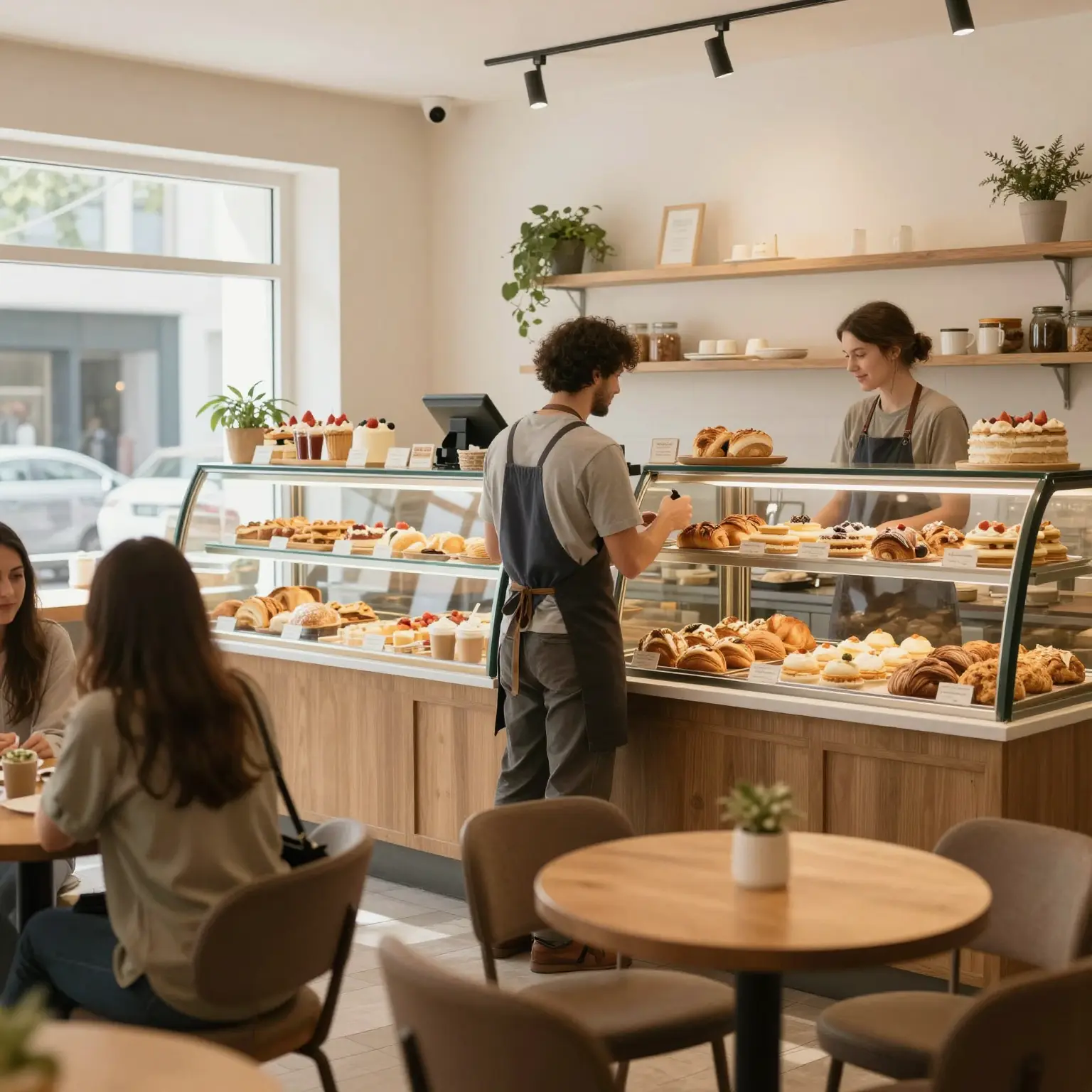
Starting a small bakery cafe can be a deeply rewarding venture, especially when you implement effective marketing strategies to draw in customers. Here are several marketing initiatives that small bakery cafes can adopt to build a loyal customer base, enhance visibility, and ultimately, boost sales.
1. Harnessing Social Media
Social media has transformed how businesses connect with their customers. For a bakery cafe, platforms like Instagram and Facebook can serve as powerful tools for showcasing your unique products and story. Here are some tips to effectively use social media for your bakery:
-
Visual Appeal: Post high-quality images and videos of your baked goods. Eye-catching visuals can tempt customers and encourage them to visit. Whether it’s a beautifully decorated cake or fresh pastries, make sure to highlight your best creations.
-
Engagement: Regularly interact with your followers. Ask questions, conduct polls, and respond to comments. This interaction creates a community feeling and encourages repeat visits.
-
Storytelling: Share your bakery’s story, including your passion for baking, origins, and everyday operations. This personal touch can make customers feel more connected to your brand.
-
User-Generated Content: Encourage customers to share their experiences by tagging your bakery in their posts. You can feature their content on your page, which not only builds community but also acts as a testimonial for your products.
-
Promotional Campaigns: Use social media for special offers or promotions. For instance, offer a discount to customers who mention a specific post or celebrate social media milestones with a giveaway, as outlined in this article.
2. Community Engagement
Building a strong relationship with your local community can significantly impact your business. Here’s how to engage effectively:
-
Participate in Local Events: Join farmers’ markets, community fairs, or festivals to showcase your products. This increases visibility and connects you with potential customers.
-
Collaborate with Local Businesses: Partner with nearby cafes, restaurants, and stores for special promotions or to offer your baked goods. Collaborative efforts can bring in new customers from each business’s existing customer base.
-
Host Classes and Workshops: Offering baking classes or workshops can draw individuals to your cafe. This not only positions you as an expert but also creates a memorable experience, encouraging them to return.
-
Give Back: Show community support by donating baked goods to local shelters or schools. This approach can generate goodwill and enhance your brand image.
3. Unique Selling Propositions (USP)
Finding your niche is vital in a competitive market. Consider these suggestions to establish your unique selling proposition:
-
Specialty Products: Focus on unique or regional baked goods that set you apart from other cafes. This can include traditional recipes or customized offerings for specific dietary needs like gluten-free or vegan options.
-
Quality Ingredients: Emphasize the use of high-quality, organic, or locally-sourced ingredients in your products. Many customers appreciate businesses that prioritize quality and sustainability.
-
Exceptional Customer Service: Train staff to provide exemplary customer service. Customer interactions can make a significant difference in building loyalty and attracting repeat customers.
Conclusion
Effective marketing strategies, particularly social media engagement and community involvement, can create a buzz around your bakery cafe. Find ways to communicate your unique philosophy and offerings, allowing customers to form a connection with your brand. As you build your customer base, your passion combined with tailored marketing approaches will help your bakery thrive. For more inspiration and guidance, check out our blog on marketing strategies.
By implementing these strategies, your small bakery cafe can not only attract customers but also maintain lasting relationships with them, ensuring a successful and sustainable business.
Here’s an inspiring quote from a successful bakery owner:
“Baking is a science, but it’s also an art. What matters most is the passion you put into it.”
This quote emphasizes the blend of technical skill and creativity involved in the bakery business, perfect for aspiring bakery cafe owners looking to fuel their passion.
For more guidance on starting your own bakery, consider checking out our article on how to start a small bakery cafe.
Financial Considerations for Starting a Small Bakery Cafe
Starting a small bakery cafe is an exciting venture that combines culinary passion with entrepreneurship. However, as with any business, several financial considerations must be taken into account for successful operation. This article covers key aspects such as budgeting, funding options, and expected revenue streams to guide prospective cafe owners.
Budgeting
Budgeting is a critical step in the startup phase. A detailed budget will help you organize all your projected costs, allowing you to plan effectively before opening your doors. Key areas to consider include:
- Initial Startup Costs: These encompass licenses, permits, equipment (ovens, mixers, display cases), furnishings, and initial inventory of raw materials.
- Operating Expenses: Regular costs such as rent, utilities, staff wages, insurance, and ingredients must be tracked. According to financial experts, budgeting for at least six months of operating expenses before breaking even is a common recommendation.
- Contingency Fund: Allocate about 10-15% of your total budget for unforeseen expenses. This financial cushion will help mitigate unexpected challenges.
For further insights, learn more about effective budgeting.
Funding Options
Securing the necessary funds is one of the first hurdles faced by potential bakery owners. Here are some viable funding options:
- Personal Savings: Many entrepreneurs start by using personal savings as it involves no repayment obligations.
- Small Business Loans: Options include the Small Business Administration (SBA) loans or local bank loans. Prepare a solid business plan to improve your chances of getting approved.
- Crowdfunding: Platforms like Kickstarter or GoFundMe allow you to raise funds from the community by offering rewards or early access to products.
- Grants: Look for local grants aimed at small businesses, especially in the food industry.
A thorough understanding of these funding mechanisms can enhance your chances of securing resources for your venture. For detailed strategies, check out this guide on securing funding for your business.
Expected Revenue Streams
The potential revenue for a small bakery cafe can be impressive, but understanding the sources of income is crucial. Based on industry statistics, small bakery cafes earn between $325,000 to $450,000 annually, depending heavily on location, foot traffic, and menu offerings.
Key revenue streams include:
- Traditional Bakery Sales: Selling fresh breads, pastries, and cakes are the staples.
- Coffee Sales: Offering quality coffee can significantly boost profits, as beverages typically have higher margins.
- Specialty Items: Seasonal items, themed products, or customized cakes serve to attract different customer segments.
- Catering Services: Expanding into corporate or private catering can increase revenue significantly.
Overall, a bakery cafe not only holds potential for profitable operations but also offers room for creative expression in a competitive market. Understanding all financial aspects will set the foundation for long-term success.
In conclusion, launching a small bakery cafe requires careful consideration of budgeting, knowledge of funding options, and a clear understanding of potential revenue streams. Engaging with local communities and creating unique offerings can enhance both visibility and profitability. For more inspiration on community-driven bakery concepts, explore this case study.
Conclusion
Starting your own small bakery cafe can be a rewarding endeavor filled with opportunities to connect with your community and share your love for baked goods. Throughout this article, we’ve explored the essential steps you need to take, including crafting a business plan, obtaining the necessary permits, designing a cozy and inviting space, and, importantly, creating a delectable menu that delights your customers. Remember, the success of your bakery cafe hinges on attention to detail, quality ingredients, and outstanding customer service.
As you embark on this exciting journey, don’t hesitate to reach out for assistance. Whether you have questions about marketing strategies, supplier options, or customer engagement, our team at Dulce Vida Bakery is here to help you. Every great bakery starts with a vision-allow us to help you turn yours into a delicious reality. Contact us today and let’s make your dream bakery cafe a success together!