

In recent years, the cafe and bakery industry has seen an impressive rise, with the global market projected to reach a staggering USD 0.79 trillion by 2025. This surge, driven by a CAGR of about 10.56%, showcases a growing consumer preference for quality dining experiences, especially among millennials who spend approximately $1,200 annually on dining out. This trend reflects a shift towards social spaces that blend food, comfort, and community. As entrepreneurs look to capitalize on this growing market, understanding how to start a cafe and bakery has never been more crucial. From innovative menu offerings to enhancing customer experiences, there are ample opportunities for business owners to create a thriving and beloved cafe or bakery. Whether you’re drawn to the sweet aroma of baked goods or the rich scent of freshly brewed coffee, starting a cafe and bakery could be your next big venture. Learn more about starting your bakery journey here.
Essential Items Needed to Start a Cafe and Bakery
Starting a cafe and bakery requires a thoughtful selection of equipment, ingredients, and supplies. Here’s a detailed list to guide aspiring business owners.
Equipment
- Ovens: Commercial convection ovens for baking pastries and other baked goods.
- Mixers: Stand mixers or planetary mixers needed for dough and batter mixing.
- Refrigeration Units: Reach-in refrigerators and freezers to store perishable ingredients.
- Cooking Equipment: Stovetops, grills, and fryers for hot menu items.
- Baking Sheets and Pans: Various sizes for cookies, cakes, bread, etc.
- Prep Tables: Stainless steel work tables for hygiene and ease of cleaning.
- Blenders and Food Processors: Essential for smoothies and sauces.
- Dishwashers: Commercial models for quick and efficient cleaning of utensils and dishes.
- Display Cases: Glass showcases to present baked goods attractively.
- Point of Sale (POS) System: Necessary for transaction processing and inventory management.
Bakery Supplies
- Baking Ingredients: Flour, sugar, yeast, baking powder, and vanilla extract are essential for most recipes. Explore a wide selection of baking ingredients at WebstaurantStore.
- Decorative Items: Icing, fondant, and other toppings for cakes and pastries.
- Packaging Supplies: Boxes, bags, and cakes boxes for takeaway orders.
Cafe Supplies
- Coffee Equipment: Espresso machines, grinders, and brewers for serving quality coffee.
- Drinks Menu: Ingredients for preparing beverages such as teas, juices, and smoothies.
- Utensils: Cups, saucers, cutlery, and plates for serving food and drinks.
- Napkins and Takeaway Containers: Essential for customer convenience.
Ingredients
- Fruits: Fresh fruits for desserts and toppings such as strawberries, bananas, and citrus.
- Dairy Products: Milk, cream, butter, and eggs are vital for baking and cooking.
- Spices and Flavorings: Cinnamon, nutmeg, and other spices for enhancing flavors.
- Chocolate and Nuts: Common ingredients for various bakes and pastries.
In summary, establishing a cafe and bakery requires a diverse range of equipment, baking ingredients, and supplies. Ensuring that these essentials are in place can set the foundation for a successful business. For more insights into starting your journey in the bakery business, consider checking these resources.
Conducting Market Research for Your Cafe and Bakery
Market research is crucial for any new cafe and bakery business aspiring to succeed in today’s competitive food and beverage landscape. Understanding the market dynamics, customer preferences, and competitive landscape can significantly influence your business strategy and offerings.
Importance of Market Research
-
Identifying Customer Preferences: Through market research, you can gather insights into what potential customers want. For instance, recent studies show that health-conscious options and customizable menu items are increasingly popular among consumers. This allows you to tailor your product offerings to attract more customers and meet their expectations. Learn more about these trends here.
-
Understanding Competition: Evaluating your competitors’ strengths, weaknesses, and strategies is essential for positioning your cafe or bakery effectively. By conducting a thorough competitive analysis, you can identify market gaps and differentiate your offerings. You can evaluate factors such as pricing, customer service, and menu diversity to find your unique selling point in this thriving market. This is outlined in various successful business models and strategies you can explore in articles like this.
Identifying Target Markets
Understanding customer demographics is a key component of market analysis. It is important to segment your market based on:
- Age Groups: Different age demographics may prefer various products. Young adults might lean toward trendy desserts while older consumers may prefer classic baked goods.
- Lifestyle Preferences: Coffee and bakery consumers may have specific lifestyle habits that affect their choices, such as health consciousness or ethical consumption.
- Spending Power: Analyzing customer income levels can help tailor your menu pricing and marketing strategies accordingly.
Conclusion
In conclusion, effective market research enables you to make informed decisions that resonate with your target audience while successfully competing within the marketplace. It is not just about gathering data; it’s about analyzing it to bring your cafe and bakery vision to life. For a more structured approach to your business planning, consider incorporating a SWOT analysis to better understand your positioning against competitors. You can explore examples of such analyses here.
By taking these steps, you’ll be better prepared to navigate your new venture in the competitive cafe and bakery industry.
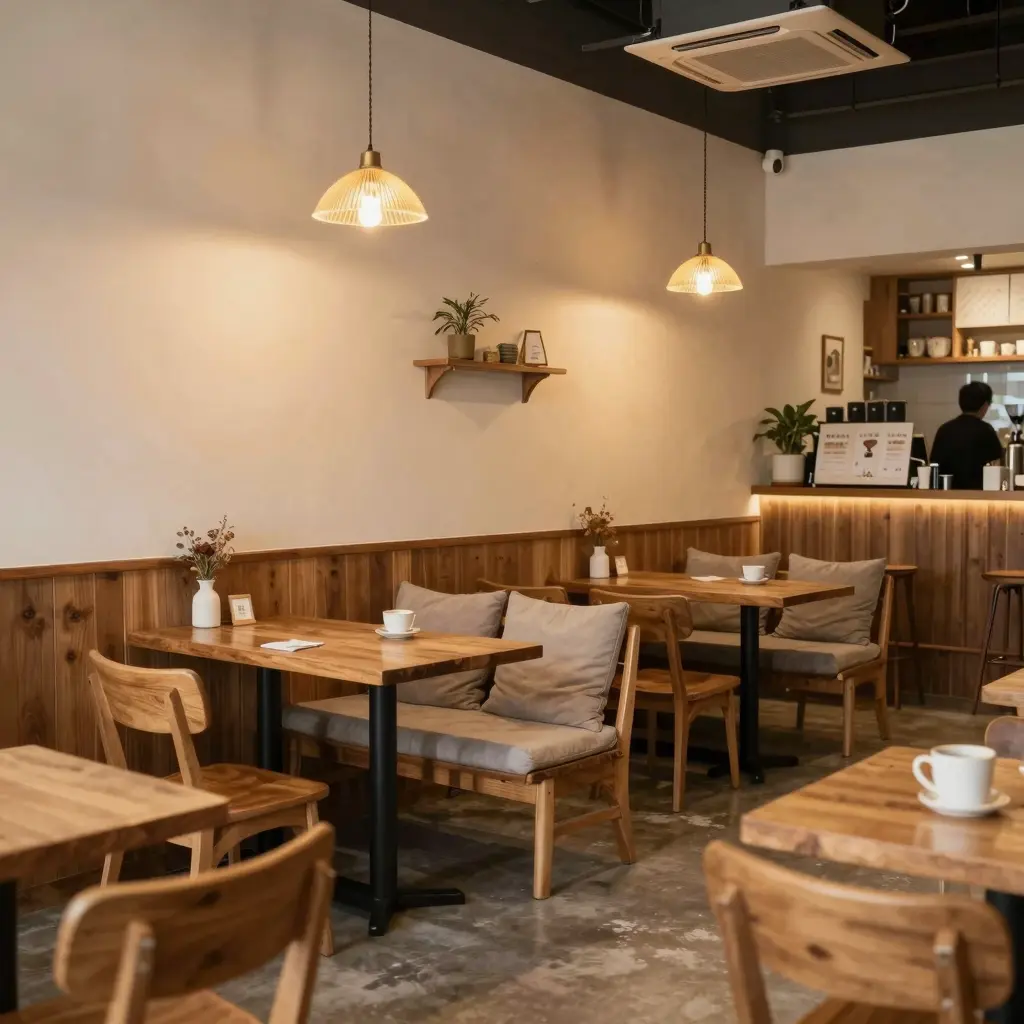
Overview of a Business Plan for a Cafe and Bakery
Creating a business plan for a café and bakery is crucial for outlining your concept, establishing a roadmap for your business, and securing funding. Below are the key components of a business plan tailored specifically for a café and bakery, along with financial projections, marketing strategy, and operational plans.
1. Executive Summary
The executive summary is a brief overview of your business, detailing what your café and bakery will offer and the unique value proposition it brings to the market. This section should catch the reader’s attention and provide insight into why this business will succeed.
2. Market Analysis
Conduct thorough market research to identify your target customer demographic, competitors, and market trends. This section should include:
- Demographics: Who are your potential customers? (e.g., families, students, professionals)
- Competition: Identify local competitors and analyze their strengths and weaknesses.
- Market Trends: Determine trends such as the rise of specialty coffees, organic ingredients, and the demand for pastries.
For more on the importance of market analysis, learn more about market strategies here.
3. Marketing Strategy
A robust marketing strategy is vital for promoting your café and bakery. This should include:
- Branding: Develop a unique brand identity.
- Pricing Strategy: Set competitive prices that reflect your brand and value.
- Promotion: Utilize social media, local advertising, and community engagement to reach customers. You can also explore partnership opportunities with local businesses.
To better understand how to develop an effective marketing plan, check out this guide on bakery marketing strategies.
4. Operational Plan
This section outlines your day-to-day operations and logistics:
- Location: Choose a location with high foot traffic and visibility.
- Staffing: Determine your staffing needs and the roles required (e.g., bakers, baristas, front-of-house staff).
- Supply Chain: Outline your sources for ingredients, packaging, and equipment.
5. Financial Projections
This crucial part includes detailed financial forecasts for the first three years:
| Year | Start-up Costs ($) | Projected Revenue ($) | Profit Margin (%) |
|---|---|---|---|
| 2023 | 50,000 | 120,000 | 20 |
| 2024 | 10,000 | 150,000 | 25 |
| 2025 | 5,000 | 180,000 | 30 |
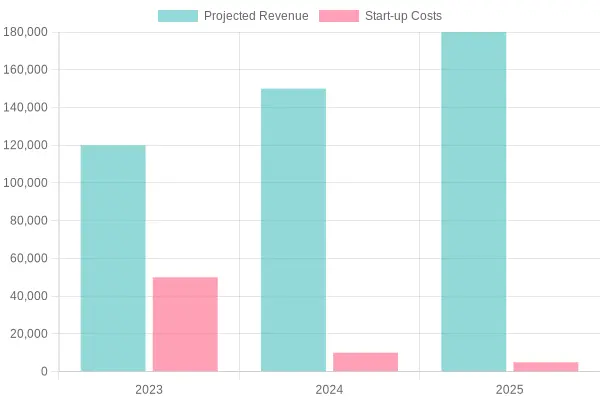
These financial projections will provide potential investors with a measurable return on their investments and show that you have a comprehensive understanding of your operational costs and potential earnings. More on creating financial projections can be found here.
Conclusion
A well-crafted business plan serves as the foundation of your café and bakery’s success. It not only guides your operational strategies and marketing outreach but also serves as a persuasive tool for attracting investors. By utilizing the insights and components outlined above, aspiring café and bakery owners can develop a concrete plan that leads to a successful venture.
Comparative Table of Cafe and Bakery Business Models
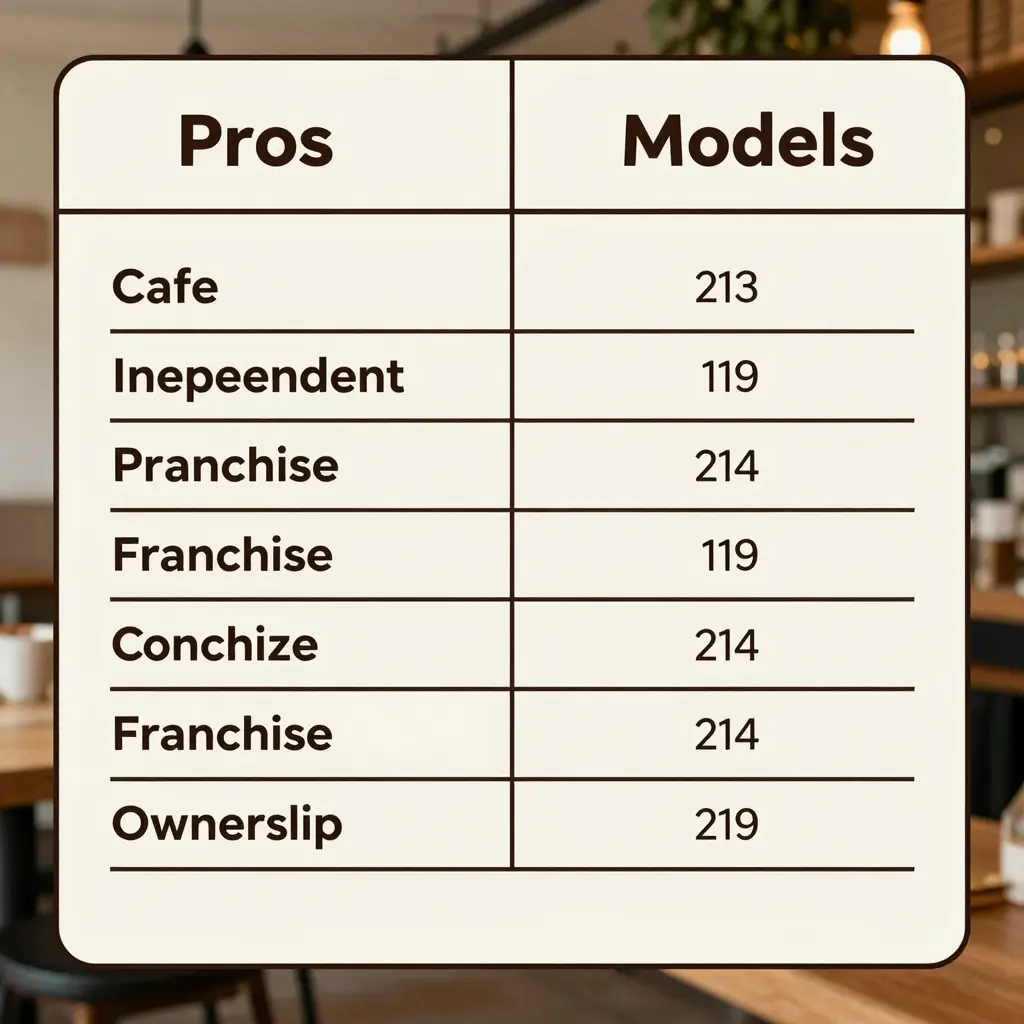
When considering how to start a cafe and bakery, understanding the different business models is crucial. Below is a comparative table showcasing various types of cafe and bakery business models, including independent and franchise ownership:
Key Insights
- Independent Models: Offer more creative freedom and control but may struggle with brand recognition.
- Franchise Models: Provide brand support and a proven business model but usually come with higher ongoing costs and less creative control.
For more detailed insights on how these models operate, learn more about starting a bakery here.
Selecting the Right Location for Your Cafe and Bakery
Choosing the right location for your cafe and bakery is one of the most crucial steps in setting up your business. A prime location can substantially influence not only your foot traffic but also the overall success of your enterprise. Here are some essential factors to consider when deciding on a location:
Foot Traffic
Foot traffic refers to the number of people passing through a particular area. The more foot traffic your cafe and bakery experiences, the higher the potential for sales. To assess foot traffic for a new venue:
- Observe the Area During Busy Hours: Spend time near prospective locations to count the number of people walking by. Each passing pedestrian can be a potential customer.
- Ideal Locations: Areas near shopping districts, schools, businesses, or public transport stations typically see high foot traffic.
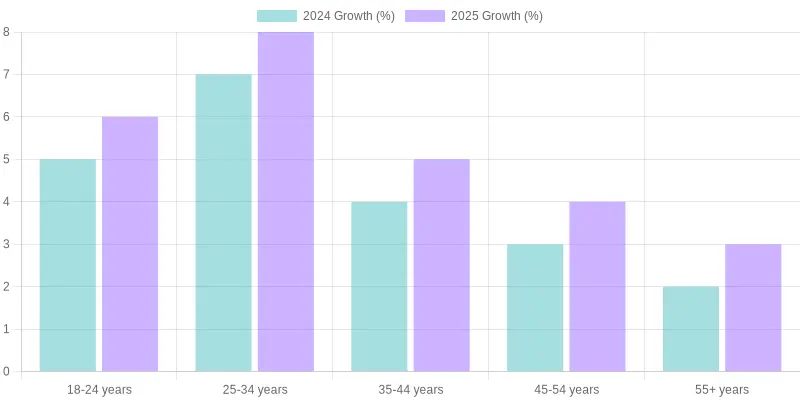
Recent reports indicate that retail foot traffic is projected to grow globally by 3.5% from 2024 to 2025, with a majority of visits coming from younger consumers aged 18-34. This demographic accounted for 52% of retail visits in 2023, highlighting the importance of appealing to this age group in your marketing strategies. Here is a visual representation of projected retail foot traffic growth by age group:
Visibility
Visibility is another key component to consider. A location that is easily seen from a main road or a busy intersection will attract more customers. Ensure that your cafe and bakery has:
- Clear Signage: Ensure that your business name is visible from a distance.
- Attractive Storefront: A charming and welcoming storefront can entice customers to enter. Consider outdoor displays and seating to draw attention.
Local Demographics
Understanding the local demographic is vital to tailoring your offerings and marketing strategy. Here are some steps to do this:
- Research Local Population: Look into the age groups, average income, and lifestyle of the residents. For instance, a community that values organic and locally sourced products might appreciate a cafe that offers those options.
- Competing Businesses: Observe nearby cafes and bakeries. Are they thriving or struggling? This can provide insights into what consumers are looking for and how to differentiate your business.
- Community Preferences: Engage with the community through surveys or social media to understand their preferences and expectations from a cafe and bakery.
Selecting the right location is an integral part of starting your cafe and bakery. By considering factors like foot traffic, visibility, and local demographics, you can set a solid foundation for your business. For more tips on starting your bakery, check this essential guide. Lastly, don’t forget to assess the lease terms thoroughly to avoid unexpected challenges after you’ve made your decision.
Understanding Startup Costs for Your Cafe and Bakery
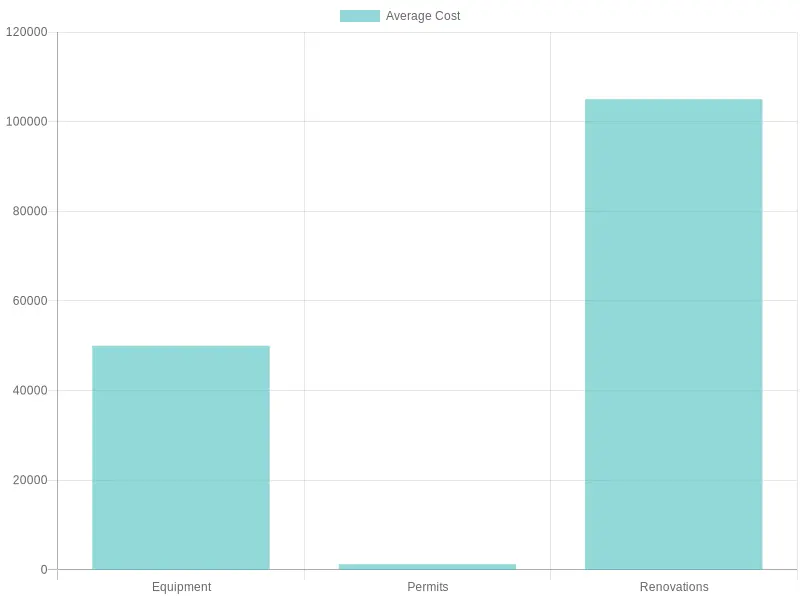
Starting a cafe and bakery involves significant investment across various categories. The startup costs can vary widely based on location, size, and other factors. Below is a chart illustrating the average initial startup costs associated with different aspects of opening a cafe and bakery in 2023:
| Category | Cost Range |
|---|---|
| Equipment | $20,000 – $80,000 |
| Permits | $500 – $2,000 |
| Renovations | $10,000 – $200,000 |
As you can see, equipment typically represents a significant portion of the initial investment, followed by renovations and necessary permits. Understanding these costs can help you plan accordingly and secure the necessary funding to realize your cafe and bakery dreams. For detailed insights on starting your own cafe and bakery, you can learn more about our process here.
Effective Marketing Strategies for a New Cafe and Bakery
Launching a new cafe and bakery requires a well-rounded marketing strategy to ensure successful engagement with potential customers. Here are effective online and offline marketing strategies tailored for your new venture, focusing on both social media marketing and local advertising.
Online Marketing Strategies
1. Social Media Marketing
- Platforms to Focus On: Utilize Instagram, Facebook, and TikTok to showcase your baked goods. Instagram is particularly effective for visually appealing products. You can share high-quality images of freshly baked goods, behind-the-scenes videos, and customer testimonials.
- Engagement Tactics: Conduct polls about new flavors, share customer-created content, and use live video sessions for baking demonstrations. Engaging posts can drive more interactions, fostering community around your brand.
- Advertising: Invest in targeted ads on social media platforms that allow you to reach specific demographics, especially those within your local area. This ensures your marketing efforts are directed toward potential customers who are most likely to visit your cafe.
2. Website Optimization
- User-Friendly Design: Ensure your website is mobile-friendly with an easy navigation layout where visitors can view your menu and place orders seamlessly.
- SEO Strategies: Implement Search Engine Optimization (SEO) best practices. Use keywords related to your offerings such as “artisan bakery,” “local cafe,” and combine them with location-specific phrases. This will help attract foot traffic through search engines.
Offline Marketing Strategies
1. Local Advertising
- Community Engagement: Participate in local events, farmers’ markets, or fairs. Setting up a stall to provide samples not only introduces your brand to the community but also helps gather immediate feedback from potential customers.
- Collaborate with Local Businesses: Form partnerships with local coffee roasters or craft breweries to create unique pairings. This cross-promotion can help you tap into their customer base and vice versa.
2. Flyers and Posters
- Distribute visually appealing flyers or posters in local community centers, schools, and grocery stores. Design them to showcase specials, grand opening days, or loyalty programs to attract attention and drive foot traffic to your cafe.
The Importance of Metrics
Monitoring the success of your marketing strategies is vital. Utilize tools like Google Analytics for online campaigns and track foot traffic or sales for offline efforts. Adjust your strategies based on what works best to continually enhance your outreach.
By combining digital strategies like social media marketing with effective local advertising, you will create a holistic marketing approach that positions your cafe and bakery for success in your community. To deepen your knowledge and understanding, check out our detailed guide on starting a bakery to explore innovative business strategies further.
With careful planning and execution, your new cafe and bakery can thrive in a competitive market!
Conclusion
Starting a cafe and bakery can be an exciting and fulfilling endeavor, but it requires careful planning and execution to ensure success. Throughout this guide, we’ve highlighted several key points that are essential for launching your bakery.
- Market Research: Understanding your target market is fundamental. Conduct surveys and analyze local competition to tailor your offerings effectively.
- Business Plan: A well-crafted business plan serves as your roadmap. It should include budgeting, marketing strategies, and operational processes to keep your business on track.
- Location and Branding: Choosing the right location and establishing a strong brand identity will help draw customers in. Your cafe should have an inviting atmosphere and visual appeal.
- Quality Products: Offering high-quality baked goods is the heart of any bakery. Focus on unique recipes and fresh ingredients to create a memorable customer experience.
- Regulations and Compliance: Ensure that your cafe meets all local health regulations, permits, and licenses to operate legally.
By keeping these points in mind, you can set a strong foundation for your cafe and bakery business. Remember, success doesn’t happen overnight; it takes dedication, passion, and the right strategies.
As you embark on this journey, we at Zoomlion are here to support you every step of the way. For expert guidance in launching your cafe and bakery, or to explore how our solutions can enhance your project, contact us today and let’s make your vision a reality!