
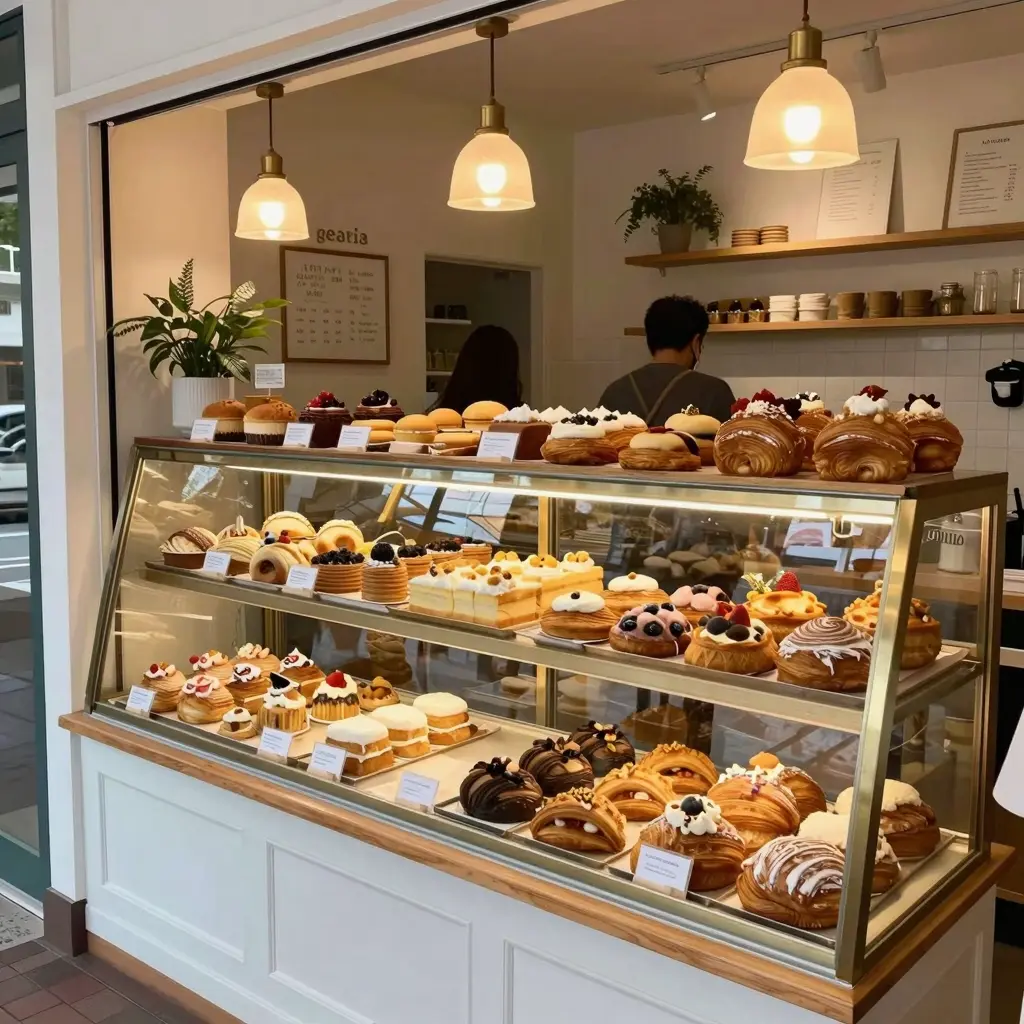
Starting a small cafe bakery is not just a means of financial gain; it’s a heartfelt journey that intertwines creativity with connection, igniting the senses of the community. Imagine the aroma of freshly baked pastries wafting through the streets, enticing passersby to step inside. For business owners, this venture offers an opportunity to curate a menu that reflects personal passion, where each pastry or bread tells a story about heritage, flavors, and experiences. The world of bakery startups can be exhilarating, filled with excitement as you experiment with recipes, flavor pairings, and seasonal ingredients to create delightful treats that your patrons love and cherish.
As your small cafe continues to evolve, it transforms into a gathering place for friends and neighbors-an inviting sanctuary where everyone feels at home, sharing laughs over coffee and cake, or perhaps brushing elbows at the counter. The ability to forge lasting relationships while pursuing your entrepreneurial dreams is one of the most rewarding aspects of opening a cafe business. You’re not just selling baked goods; you’re fostering community spirit and crafting memories with every slice of cake or loaf of bread.
In this blog, we will explore the essential steps to kickstart your small cafe bakery journey. From understanding market trends to perfecting recipes, discover how to blend passion with savvy business strategies. Welcome to a world where your dreams can rise like your freshly baked bread, waiting to bring joy and comfort to your beloved community!
Ready to dive into this exciting adventure? Learn more about our journey and get started on your own today!
Startup Costs for a Small Cafe Bakery
Opening a small cafe bakery is an exciting venture, but it comes with its own set of financial responsibilities. Understanding the average startup costs is crucial for planning and budgeting. Here’s a summary of the main expenses typically involved:
1. Equipment Costs
The most significant initial investment is often in equipment. According to Financial Models Lab, the average capital expenditure (CAPEX) for a bakery cafe is around $47,900. This includes:
- Ovens: Essential for baking various products.
- Mixers: For dough and batter preparation.
- Refrigeration: For ingredient storage and display.
- Furniture: Seating and tables for customers.
- Point of Sale System: To facilitate transactions and manage sales.
These core items are necessary for day-to-day operations and can significantly affect the initial financial outlay.
2. Location Costs
Choosing the right location is vital for success, but it can be costly:
- Rent: Depending on the area’s popularity, monthly rental fees can range from $1,000 to $5,000 or more.
- Remodeling: Setting up the space can also incur substantial costs for renovations, potentially adding another $10,000 – $50,000.
3. Staffing Costs
Staffing is another key component:
- Average labor costs (wages, benefits) can run 20-30% of projected revenue. If you plan to hire 3-5 staff members, expect to budget around $30,000 – $50,000 annually.
4. Legal and Permitting Fees
Establishing a bakery involves navigating legal requirements:
- Licenses and Permits: These can vary based on location but budgeting between $500 to $2,500 is typical.
- Insurance: General liability and property insurance may add another $1,000 to $2,000 annually.
Summary of Startup Costs
In summary, the startup costs for a small cafe bakery can vary widely but here’s a rough estimate:
| Cost Category | Estimated Cost |
|---|---|
| Equipment | $47,900 |
| Location (Rent) | $1,000 – $5,000/month |
| Remodeling | $10,000 – $50,000 |
| Staffing | $30,000 – $50,000/year |
| Legal Fees | $500 – $2,500 |
| Total Estimated | $100,000+ |
For aspiring business owners, these figures provide a realistic overview of the financial landscape when starting a small cafe bakery. For more insights on bakery operations, learn more about potential revenues and profits.
Keep in mind that these costs can fluctuate based on specific business models and local market conditions. Therefore, thorough financial planning is essential for success in this competitive industry.
Essential Equipment Costs for a Small Cafe Bakery
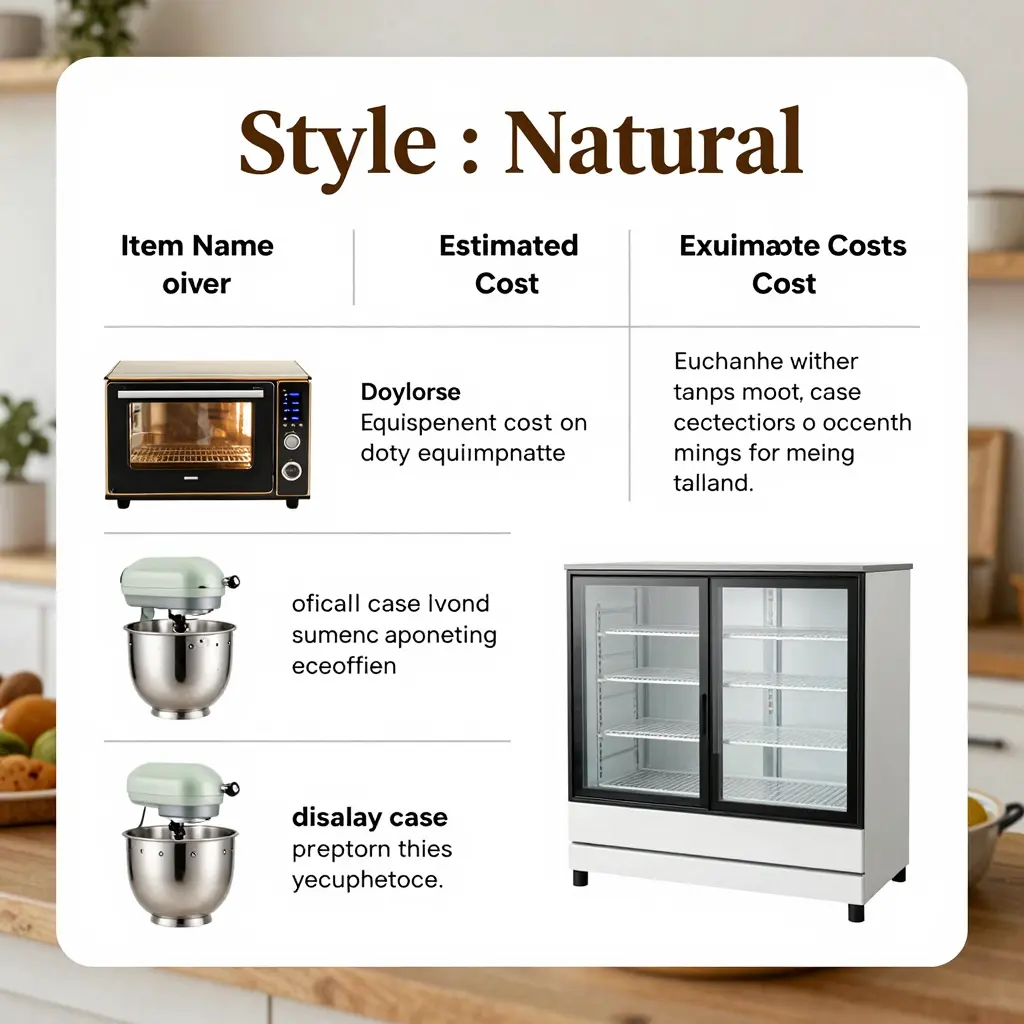
Starting a small cafe bakery requires a number of essential equipment pieces that may represent a significant investment. Below, we provide a detailed table that compares costs for various equipment like ovens, mixers, and display cases, helping potential cafe owners make informed purchasing decisions.
| Equipment Type | Estimated Cost | Description |
|---|---|---|
| Ovens | $2,000 – $40,000 | Ranges from small, basic models to high-end convection ovens, essential for baking various goods. |
| Mixers | $500 – $10,000 | Depending on capacity, mixers are crucial for dough preparation. Stand mixers are popular for smaller operations. |
| Display Cases | $1,000 – $5,000 | This equipment is vital for showcasing baked goods to customers, enhancing visual appeal and sales. |
| Proofers | $1,500 – $4,000 | Used for fermenting dough at controlled temperatures, improving quality and flavor of baked products. |
| Refrigerators | $1,000 – $3,500 | Essential for storing perishable ingredients and finished products, maintaining food safety. |
| Baking Sheets | $15 – $200 | Affordable but necessary items, essential for baking cookies, pastries, and bread. |
| Kitchen Scales | $20 – $150 | Important for accurately measuring ingredients, ensuring product consistency. |
This table serves as a practical guide for understanding the equipment costs involved in setting up a small cafe bakery. For more tips and insights, learn more about starting a cafe.
It’s critical to consider not just the initial costs, but also the ongoing maintenance and potential need for replacement as the business grows.
The Importance of Market Research for a Small Cafe Bakery
Starting a small cafe bakery is an exciting venture, but it requires thorough planning and understanding of your local market. One of the most critical steps to take before launching your business is conducting comprehensive market research. This process involves gathering and analyzing information about the local market, understanding your competition, and identifying customer preferences. Such insights can lead to informed business strategies, minimizing risks and enhancing the chances of success.
Understanding the Local Market
Before opening a small cafe bakery, it’s essential to understand the local consumer base. What types of baked goods do they prefer? Are they seeking health-focused options, indulgent treats, or somewhere in between? According to research, businesses that align their offerings with customer preferences are more likely to succeed. A study on successful bakery businesses highlighted that understanding local tastes can lead to tailored products, which can outshine competitors. More information can be found in this article about starting a bakery.
Additionally, evaluating market demand can provide insights into the potential customer base size and the best locations for establishing your cafe bakery. Analyzing trends such as the popularity of online orders or catering services can reveal lucrative opportunities that match the evolving consumer behavior.
Analyzing the Competition
In any business, knowing your competition is vital. This applies equally to starting a small cafe bakery. Investigating what other bakeries in your local area offer-such as menu items, pricing strategies, and customer service-can help you identify gaps in the market. Are there any unique concepts or desserts your competitors are missing? How do they market themselves? According to Rigid Apps, understanding competitor strategies can indicate what works well and what doesn’t, allowing you to craft distinctive business strategies.
Market research can also help you gauge how competitors engage with customers, from their use of social media to special promotions. By analyzing their strengths and weaknesses, you can develop strategies to differentiate your offerings and create unique selling propositions.
Customer Preferences
Understanding customer preferences is key to crafting a menu that resonates well with your target audience. Conducting surveys or focus groups can provide valuable feedback on potential menu items before launch. What flavors or dietary options are popular? How much are customers willing to pay for pastries or specialty coffees? Insights gained from prospective customers can shape the offer in your small cafe bakery, ensuring you attract and retain customers.
Moreover, trends in the food industry are constantly evolving. It’s crucial to stay updated about popular health-focused options, sustainability practices, and other shifts in consumer habits. By adapting to these trends, your cafe bakery can position itself as modern and relevant, ultimately appealing to a wider customer base.
Conclusion
In conclusion, market research is not merely a preliminary step; it is a fundamental component of a successful small cafe bakery. By understanding the local market, analyzing the competition, and uncovering customer preferences, you can build a solid foundation for your business. This preparation enables you to make informed decisions that increase the likelihood of your bakery thriving in a competitive landscape. For more insights on starting a small cafe bakery, consider exploring Dulce Vida Bakery’s journey.
Engaging in market research will provide you with not only data but also a clear vision of your business strategy, helping you establish a beloved cafe bakery in your community.
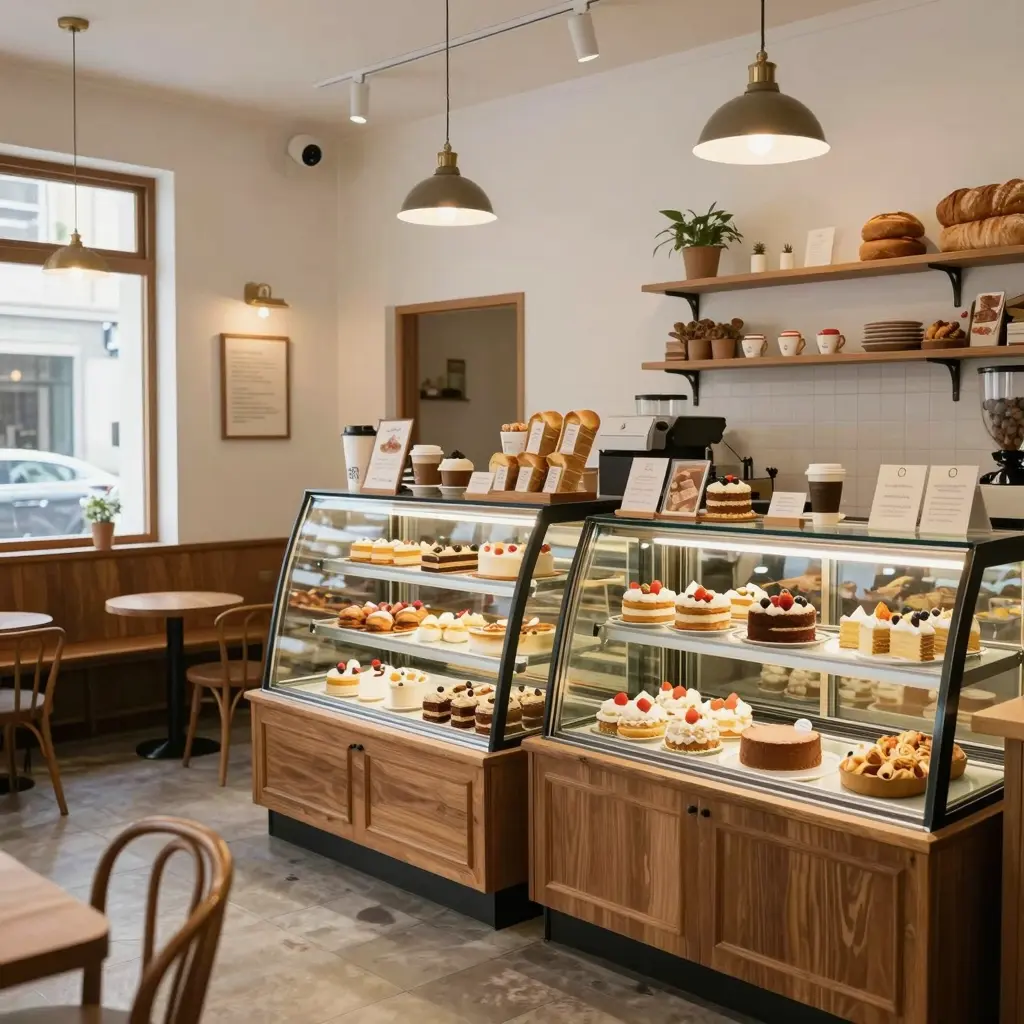
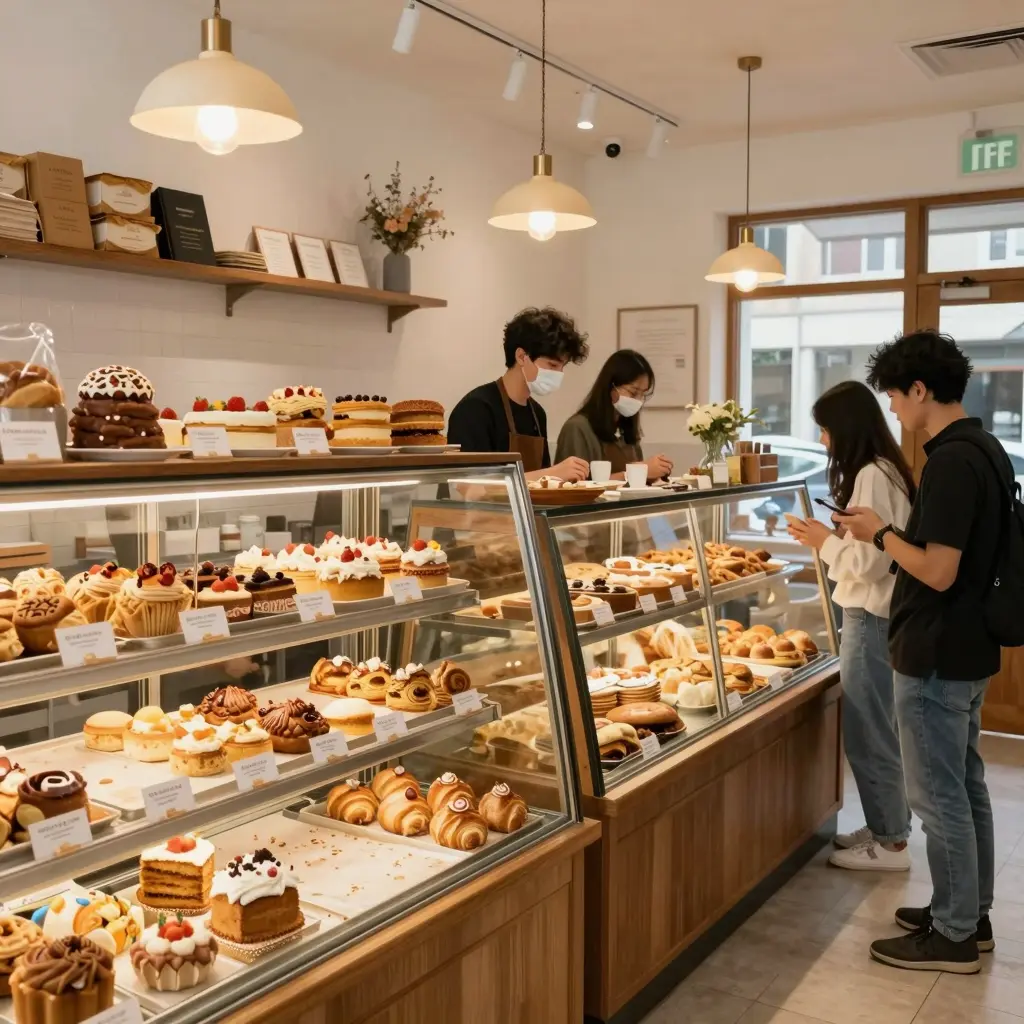
A cozy and inviting small cafe bakery environment is essential for attracting customers. The image above showcases elements like cake displays, comfortable seating areas, and a warm atmosphere that every bakery owner should aim to create in their establishment. Items such as freshly baked pastries and coffee add to the inviting ambiance, making it a perfect spot for customers to unwind and enjoy.
Essential Licenses and Permits Required to Open a Small Cafe Bakery
Opening a small cafe bakery involves more than just baking delightful treats; it requires compliance with various licensing and regulatory requirements to ensure the safety of your food and your business’s legality. Below is a detailed list of essential licenses and permits you will likely need when starting your bakery:
1. Business License
A business license is necessary to legally operate your bakery. Depending on the city or state where you are located, you may need to meet specific conditions to obtain this license. Always check with your local business licensing authority for requirements and fees.
2. Food Service License
Essential for any establishment that serves food, this license is typically issued by your local health department. It ensures that your bakery complies with food safety regulations.
Learn more about food service licenses.
3. Health Department Permit
Before your bakery can open, it will need a health department permit. This involves passing inspections to verify compliance with local health and safety standards. In some regions, you might have to complete food safety training to qualify for this permit.
4. Employer Identification Number (EIN)
If you plan on hiring employees, getting an EIN from the IRS is crucial for tax purposes. This number acts as a unique identifier for your business.
5. Certificate of Occupancy
This certificate indicates that your bakery complies with local building codes and zoning laws. It must be obtained before any business operations begin, ensuring that your location is suitable for operating a bakery.
6. Sales Tax Permit
If your state requires sales tax to be collected on food sold, obtaining a sales tax permit is needed. This allows you to collect the appropriate taxes at the point of sale.
7. Fire Department Permit (if applicable)
If you’re using gas or have specific kitchen equipment that poses fire hazards, your bakery may need a Fire Department Permit. This involves inspections to ensure compliance with fire safety codes.
8. Food Handler Permits
While specific requirements vary by state, most jurisdictions require food handlers to have permits or certifications to ensure that food is handled safely while being prepared and served.
9. Signage Permit
If you plan to put up a sign displaying your business, make sure to check with your local government about zoning laws regarding outdoor signage, as a signage permit may be required.
10. Specialty Licenses (if applicable)
If you plan to sell alcohol or prepare specialty items like cakes for weddings, additional licenses may be needed related to these specifics.
Conclusion
Starting a bakery requires careful planning and adherence to a satisfying checklist of licenses and permits. It’s advisable to consult local regulatory bodies or a business attorney familiar with bakery-specific regulations to navigate your specific requirements correctly.
For more insights on operating a cafe bakery, check out Dulce Vida Bakery.
Marketing Strategies for Your Small Cafe Bakery
Successfully launching and sustaining a small cafe bakery involves a well-rounded marketing strategy tailored to your unique brand and community presence. Here are actionable marketing strategies encompassing online promotions, social media engagement, and local community involvement.
Online Marketing
Today’s digital world means your small cafe bakery must have a robust online presence. Consider the following strategies:
-
A User-Friendly Website: Ensure your website is easy to navigate and visually appealing. Include enticing images of your products and a blog section to share recipes or baking tips. A good placeholder could be your current offerings and any seasonal specials. This can significantly enhance customer engagement.
-
Search Engine Optimization (SEO): Optimize your website by using keywords such as “small cafe bakery” and creating engaging content around those terms. Use local keywords to attract nearby customers. Consistent blogging about baking techniques, seasonal offerings, and behind-the-scenes looks can help your site rank higher in search engines.
-
Email Marketing: Build an email list by offering visitors the chance to subscribe for updates, exclusive discounts, or bakery news. Send out regular newsletters to keep your customers informed about new product launches, special events, or promotions. This can significantly foster customer loyalty.
Social Media Strategies
Social media platforms are pivotal for building your brand identity and connecting with customers. Here’s how you can maximize these channels:
-
Visual Content Creation: Use platforms like Instagram and Facebook to showcase visually stunning images of your baked goods. Consider featuring videos of the baking process or customer testimonials to increase interaction. Discuss Instagram strategies and avoid common pitfalls by learning about the common mistakes made by bakeries.
-
Engagement through Contests and Giveaways: Run regular contests or giveaways that prompt followers to engage, such as sharing their favorite products or photos of their purchases. This not only drives engagement but can also lead to increased visibility as participants share the contest with their own networks. Learn more about how to use social media effectively for your cafe.
-
Leverage Local Influencers: Collaborate with local food bloggers or influencers who can promote your bakery to their audience. Their endorsement can lend credibility to your brand and introduce you to a wider community.
Local Community Engagement
Engaging with your local community fosters goodwill and brand loyalty. Implement the following strategies:
-
Collaborate with Local Businesses: Partner with nearby cafes, restaurants, or event organizers to cross-promote your offerings. Consider sharing space for a local event or contributing baked goods for a charity event. Building relationships with other businesses is a great way to expand your reach.
-
Host Classes and Workshops: Offering baking classes can draw customers into your cafe and create a buzz around your brand. These events can help you engage directly with your community and invite participants to experience your products firsthand.
-
Participate in Community Events: Set up stalls at local farmers’ markets, fairs, or food festivals. Being present at these events not only showcases your products but also allows for direct interaction with potential customers.
-
Give Back: Sponsor local sports teams or offer your products for charitable causes. Engaging in community efforts helps build a positive reputation and strengthens community ties.
Conclusion
In conclusion, a balanced marketing strategy for your small cafe bakery should combine online presence, energetic social media tactics, and genuine engagement within the local community. Regular analysis of your marketing efforts will help you adapt and thrive in the competitive bakery landscape. For more insights on setting up your cafe bakery, check out this comprehensive guide on bakery marketing strategies.
Implement these strategies to create a vibrant marketing strategy that brings customers into your small cafe bakery and keeps them coming back for more!
Target Audience Demographics for Small Cafe Bakeries
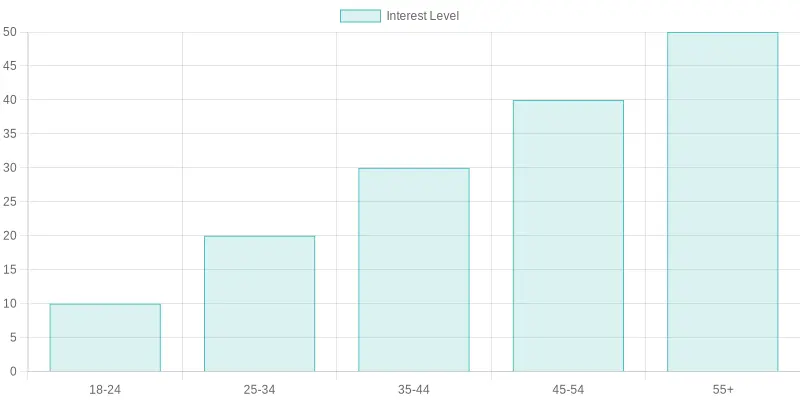
Understanding your target audience is crucial for the success of a small cafe bakery. Here’s a breakdown of the typical demographics:
Key Audience Insights
-
Age Groups:
-
18-24: Engaged in foodie culture and health-conscious eating.
-
25-34: Actively participate in community events and have a preference for gourmet coffee.
-
35-44: Strong interest in foodie culture.
-
45-54: Enjoy community events and social gatherings.
-
55+: Show interest in health-conscious eating.
-
Income Ranges:
-
$0-$25,000: Primarily younger audiences.
-
$26,000-$50,000: Middle-aged people with a growing interest in community and health.
-
$51,000-$75,000: A range of young professionals and parents.
-
$76,000-$100,000: Typically those interested in gourmet and premium offerings.
-
$100,000+: Generally older consumers with disposable income.
-
Key Interests:
-
Foodie culture, health-conscious eating, community events, and gourmet coffee are the primary interests of your target demographics.
This chart provides a visual representation of the target audience demographics:
For more insights on opening a small cafe or bakery, check out our comprehensive guide on starting your cafe bakery.
Starting a small cafe bakery can be an incredibly rewarding journey, filled with passion and creativity. To inspire and motivate new business owners, it’s valuable to hear from those who have successfully navigated this path. One such owner, Nadine Ingram of Flour and Stone, shared her experience:
“Building a successful bakery isn’t just about the recipes you create; it’s about mastering the basics and remaining dedicated to your craft. Consistency and a genuine passion for what you do are keys to success. Engage with your community, listen to your customers, and always strive to improve. That’s how you sustain your business and make it thrive.”
This advice underscores the importance of hard work, community engagement, and continuous improvement, which are essential themes in the bakery industry. For anyone aspiring to open their own cafe bakery, taking inspiration from successful owners like Nadine can offer valuable insights on the journey ahead. With a dedication to quality and a love for the craft, turning your bakery dreams into reality is entirely possible.
For more tips on running a thriving cafe, check out this must-read guide for new cafe owners.
The road to success in the bakery business requires resilience, creativity, and a deep love for baking. Stay true to your vision, and don’t shy away from seeking guidance from industry experts to help steer your path forward!
Conclusion: Embrace the Sweet Rewards of Starting Your Small Cafe Bakery
Starting a small cafe bakery is not just a business venture; it’s a passion that combines artistry with the joy of community gathering. Throughout this guide, we have explored essential steps, from crafting a unique menu to securing the right location. The rewards of your efforts can be profound, transforming your dreams into a bustling bakery filled with laughter and the comforting aroma of fresh bread and pastries.
Key Points Recap:
- Market Research: Understanding your target audience is crucial for success.
- Menu Development: Unique and high-quality offerings will set your bakery apart.
- Marketing Strategies: Effective marketing is essential to attract and retain customers.
- Challenges and Solutions: From staff management to equipment efficiency, being aware of potential obstacles can help pave the way for smoother operations. For an in-depth look at challenges faced by bakery owners, check out this insightful article from Kimeco Pak.
The journey to owning a small cafe bakery is filled with challenges, but the rewards-creating a beloved community space and sharing your culinary creations-are well worth the effort. As you embark on this exciting venture, know that guidance and support are just a message away.
Call to Action:
Don’t wait – contact us today to discuss your needs, request a quote, or learn more about how we can support your mission to create delightful experiences and protect lives and property with your new bakery. Together, let’s make your sweet dreams a reality!