
Starting a bakery cafe is not merely about crafting delightful pastries and brewing aromatic coffee; it’s about cultivating a unique experience that attracts and retains customers. Understanding your target market is the first step towards ensuring your business meets the desires of your local community. This foundational market research will inform a niche strategy that distinguishes your cafe from competitors. Complementing your research, developing a compelling product line and establishing effective branding will solidify your presence. This article delves into key aspects of initiating your bakery cafe endeavor, focusing on two crucial chapters: market research and product development, specifically branding. These elements work together to ensure your bakery cafe not only opens successfully but thrives in a competitive landscape.
null
null
From Oven to Brand: Crafting Signature Flavors and a Magnetic Bakery Café Identity
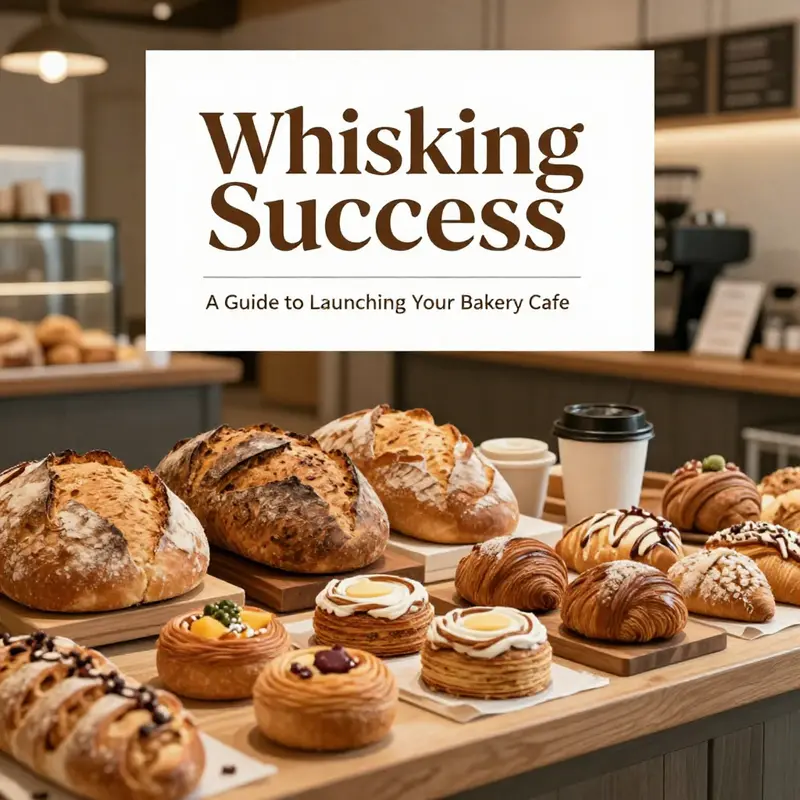
The journey from a handful of recipes to a thriving bakery cafe hinges on two inseparable forces: how you develop products and how you carry those choices into a living, recognizable brand. In a crowded market, customers don’t just buy a pastry or a mug of coffee; they invest in a story, a promise, and a consistent experience that makes them feel at home as soon as they step inside. Product development is the engine, branding is the voice, and together they shape the everyday rituals that keep customers coming back. In practice, this means treating the menu as a dynamic portfolio rather than a static slate of items. It means aligning the kitchen’s capabilities with a brand promise that feels tangible in every bite, in every cup, and in every touchpoint a guest encounters from first glance to farewell.”
“The most successful bakery cafes treat menus as experiments with disciplined guardrails. They design seasonal cycles that reflect harvests, holidays, and local cultures, then translate those cycles into offerings that feel timely without feeling trendy. Seasonal items give staff a predictable rhythm for production while inviting guests to return frequently for premieres and limited runs. This approach keeps the menu fresh without sacrificing quality or consistency. It also creates anticipation, a subtle but powerful driver of repeat visits. When a customer tastes a seasonal tart or a pastry they cannot find elsewhere, the memory attaches to the brand itself, deepening loyalty even before the next visit.”
“Dietary awareness has become a baseline expectation for many customers. A robust bakery cafe plan respects diverse needs by providing gluten-free, vegan, or reduced-sugar options without compromising the core identity of the cafe. The goal is not to offer every possible modification but to weave inclusive choices into the brand narrative so that every guest feels seen and considered. For example, if a cafe centers on natural flavors and transparent sourcing, menus can feature clearly labeled items that align with that ethos. The approach should be practical for the kitchen, too: shared equipment, clean labeling, and cross-contact controls become part of the brand’s credibility rather than a hurdle.”
“Signature recipes serve as the crown jewels of product development. They anchor the cafe’s reputation and create a recognizable voice in the crowded marketplace. A signature item is more than a unique taste; it is a story about technique, locale, or a technique mastered by the baker. To cultivate these signatures, bakers should pursue a disciplined process: ideation, small-batch testing, sensory panels, and finally, scaled production with strict quality controls. The aim is not merely novelty but consistency in texture, balance, and aroma—an aroma that lingers in the mind and invites a second bite, a second glance at the menu, and a second visit to the storefront.”
“Branding emerges as a parallel craft that carries the product into life outside the kitchen. A cohesive brand image—encompassing name, typography, color palette, packaging, interior design, and a consistent tone of voice—translates taste into perception. Packaging isn’t simply a container; it’s a portable ambassador for quality and values. The color choices, the weight of the paper, the print quality, and even the way packaging opens all contribute to the customer’s emotional arc with the brand. The interior should reflect the same language. Warm lighting, comfortable seating, and a layout that encourages lingering can make a bakery cafe feel like a neighborhood hub rather than a one-off stop.”
“A cohesive brand extends to the digital realm and the in-person experience alike. Visual identity must be consistent across social media, website, in-store chalkboards, menus, and staff apparel. The goal is for a guest to recognize the brand in a single glance, whether they are scrolling a feed or standing at the counter. Visual inspiration—whether through mood boards, color studies, or a curated collection of textures—helps translate ideas into a tangible look and feel. For entrepreneurs seeking a concrete example, the brand language demonstrated at Dulce Vida Cafe offers a useful reference point. Dulce Vida Cafe embodies how a clear concept can harmonize product, packaging, and space into a single, memorable narrative.”
“Sustainability and authenticity strengthen branding in ways that matter to modern guests. Today’s consumers increasingly value transparency and stewardship. Sustainable product development means sourcing locally when possible, embracing seasonal harvests, and reducing waste through thoughtful portioning, smarter production planning, and responsible packaging. It also means telling the story of those choices honestly. Guests appreciate knowing where ingredients come from, who grew them, and why particular methods are favored. When a bakery cafe communicates a thought-through supply chain and environmentally minded practices, the brand earns credibility that can translate into longer-term loyalty and willingness to pay a premium for quality.”
“Consistency across touchpoints is perhaps the most practical expression of branding. It isn’t enough to craft a beautiful loaf or a compelling poster; every interaction should reinforce the same standards of service, language, and atmosphere. This begins with the staff and extends to how orders are taken, how questions are answered, and how problems are resolved. A brand promise—whether it is warmth, precision, whimsy, or sophistication—must be enacted in real time, not just proclaimed. In a well-run bakery cafe, the attention to detail is visible in small moments: the way a server remembers a guest’s name, the pace of service during a busy morning rush, the way pastry cases are arranged to highlight textures and colors, and the ease with which a guest can pair a pastry with a perfect cup of coffee.”
“As the brand grows, it also grows with the community. Branding becomes a two-way street: it invites guests to become part of the story, and it learns from the neighborhood’s rhythms. Seasonal collaborations, local artists’ displays, or small tastings can moonlight as marketing moments while deepening roots in the locale. The most resilient brands treat branding as a living system—one that adapts to feedback, welcomes iteration, and remains faithful to its core promise. The result is an environment where product excellence and brand integrity reinforce each other, creating a durable elevated consumer experience rather than a fleeting trend.”
“In the end, product development and branding are not separate ladders but intertwined rails guiding a bakery cafe toward sustainable growth. A well-curated menu anchored by signature items, coupled with a clear, authentic brand story expressed through packaging, space, and tone, transforms everyday purchases into rituals. Guests walk away not just with a bag of pastries and a cup of coffee but with a sense of belonging and a reminder of why they chose your space in the first place. That is the core of a bakery cafe that endures: the delicious mathematics of flavor paired with the human mathematics of hospitality, bound together by a brand that feels inevitable, familiar, and uniquely yours.”
“For further visual inspiration about brand cohesion, explore the linked resource above, and consider how your own concept can translate into a consistent aesthetic across every avenue of guest interaction. The aim is not to imitate a single example but to extract the underlying principles—clarity of purpose, storytelling through design, and reliability of experience—and apply them to your own circle of influence. With deliberate product development and deliberate branding, your bakery cafe can become a cherished destination rather than a passing stop.”
“External resource: https://www.pinterest.com/pin/56-best-bakery-branding-ideas-341792846519753586/”
Final thoughts
Starting a bakery cafe demands a meticulous blend of creativity, strategic market understanding, and branding clarity. By prioritizing thorough market research, you can position your cafe uniquely to meet customer needs and preferences. Developing an engaging product line, coupled with a strong brand identity, will enhance customer loyalty and attract new patrons. Each step, from selecting a location to curating an inviting atmosphere, should align with these foundational strategies. Ultimately, a well-executed plan encompassing market research and product development will lay the groundwork for a prosperous bakery cafe, inviting customers to enjoy and return.