
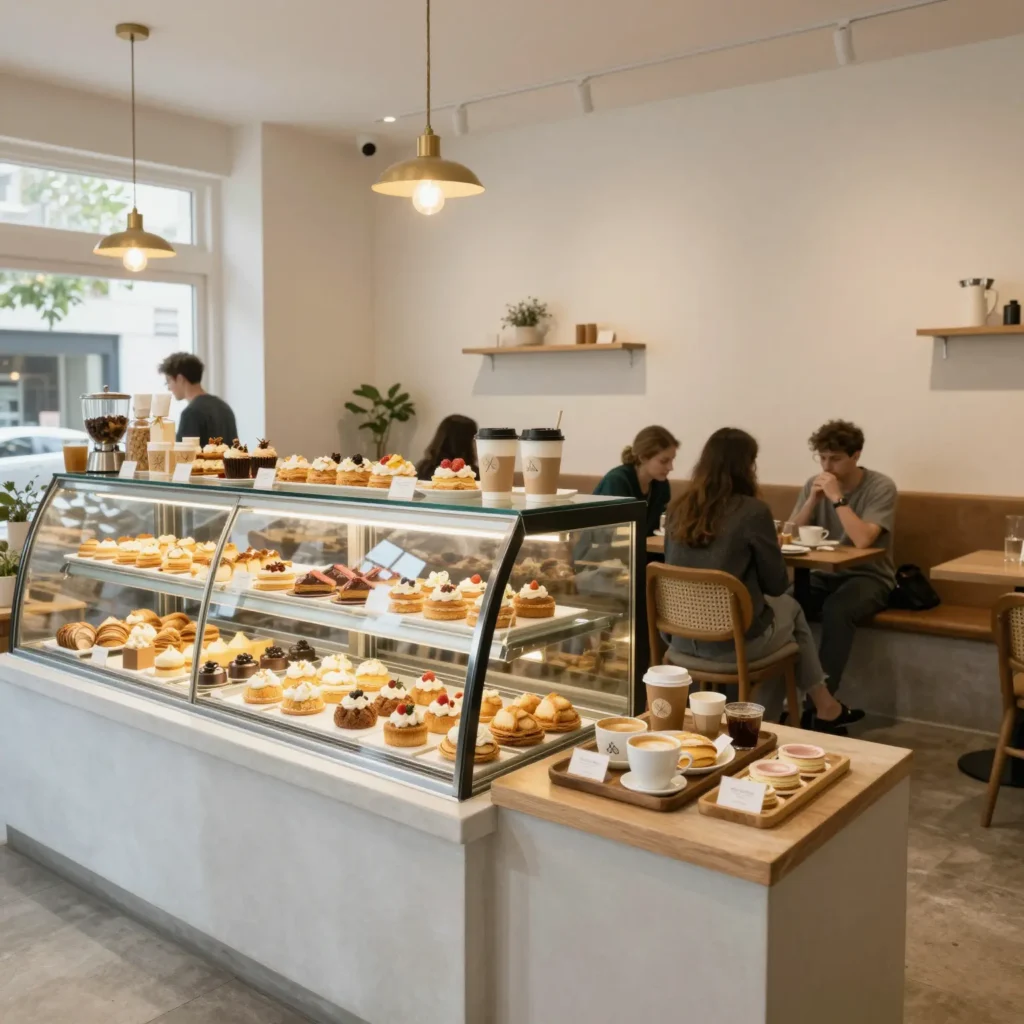
Introduction to Starting a Bakery Cafe
In recent years, the bakery cafe has surged in popularity, transforming from mere pastry shops into vibrant community hubs where coffee, conversation, and freshly baked goods intersect. According to industry reports, the bakery cafe market in the U.S. has seen a growth rate of 2.8% between 2020 and 2025, highlighting a shift in consumer preferences and the increasing viability of this charming business model. In 2023, the number of bakery cafes reached nearly 9,000, signaling an enduring demand for quality baked goods and inviting atmospheres.
Starting a bakery cafe is not just about the passion for baking; it involves meticulous planning and preparation. A well-thought-out business plan is essential, serving as the roadmap to successfully launch your venture. Factors such as designing an efficient layout and understanding operational workflows are pivotal to ensuring your cafe runs smoothly from day one. In this article, we will explore the crucial steps involved in developing your bakery cafe, from crafting that tantalizing menu to navigating the financial intricacies of startup costs. Whether you’re an experienced baker or a newcomer to the culinary scene, this guide is here to equip you with insights and practical tips to bake your dreams into reality.
Get ready to roll up your sleeves and dive into the world of bakery cafes!
Outline for “How to Start a Bakery Cafe”
1. Introduction
- Brief overview of the bakery cafe concept
- Importance of comprehensive planning
- Learn more about bakeries
2. Business Planning
- Defining your business model
- Creating a business plan
- Setting clear objectives and goals
3. Market Research
- Identifying your target audience
- Analyzing competitors and market trends
- Conducting surveys or focus groups
- Explore market insights on Latin bakeries
4. Financing
- Discussing startup costs
- Exploring funding options: loans and investors
- Managing cash flow
5. Location
- Choosing the right location for foot traffic
- Factors affecting location choice
- Lease vs. buying property
6. Design and Layout
- Creating an inviting atmosphere
- Effective layout for customer flow
- Choosing decor that reflects your brand
7. Menu Development
- Designing a menu that stands out
- Sourcing ingredients and suppliers
- Price setting and profitability analysis
8. Staffing
- Hiring the right team
- Training staff for excellent customer service
- Creating a positive work culture
9. Marketing Strategies
- Building a strong brand presence
- Utilizing social media and online marketing
- Community engagement and collaboration
- Learn more about promoting your cafe
10. Conclusion
- Recap of essential steps
- Encouragement to follow the outlined plan
- Final tips for success
11. Additional Resources
- Links to further reading and tools
- Community resources available for new business owners
Business Planning for a Bakery Cafe
Creating a robust business plan is crucial for launching and sustaining a successful bakery café. This document will serve as a roadmap for your business, guiding decisions and helping secure funding. Here are the essential components of a business plan for a bakery café:
1. Executive Summary
- Mission Statement: Define the purpose of your bakery café. For example, “To offer high-quality, artisanal baked goods and exceptional coffee in a warm, inviting atmosphere.”
- Vision Statement: Articulate what your café aspires to achieve in the future.
- Objectives: Set clear, measurable goals such as increasing sales by 20% in the first year.
2. Company Description
- Business Structure: Outline your business model, whether it’s sole proprietorship, partnership, or LLC.
- Location: Describe why you chose the specific location, considering factors like foot traffic and community demographics.
- Unique Selling Proposition (USP): Highlight what makes your bakery café stand out, such as unique recipes or organic ingredients.
3. Market Analysis
- Industry Overview: Examine the current trends in the bakery and café industry, including consumer preferences for organic or gourmet options.
- Target Market: Identify whom you aim to serve (e.g., local residents, commuters, tourists) and their demographics, behaviors, and needs.
- Competitive Analysis: Analyze competitors in your area and discuss their strengths and weaknesses. Position your bakery café strategically within this context.
4. Marketing Strategy
- Branding: Develop a strong brand identity, including logos, color schemes, and messaging that resonates with your target audience.
- Promotion: Identify strategies like social media campaigns, local partnerships, or community events to attract customers, as discussed in our marketing guide.
- Sales Tactics: Outline how you will approach sales, including in-store promotions or loyalty programs.
5. Operations Plan
- Products and Services: Detail the range of products you will offer, including baked goods, beverages, and any special dietary options.
- Location and Facilities: Discuss the layout, equipment needed, and how the space will be optimized for customer experience.
- Staffing: Plan for hiring needs including roles, responsibilities, and initial training processes.
6. Financial Projections
- Start-up Costs: Itemize initial costs including equipment, supplies, and renovations. Seek to minimize expenses while ensuring quality.
- Revenue Projections: Based on market analysis, set realistic sales goals for the first three years. Also include your cost strategies for ingredient sourcing and staffing.
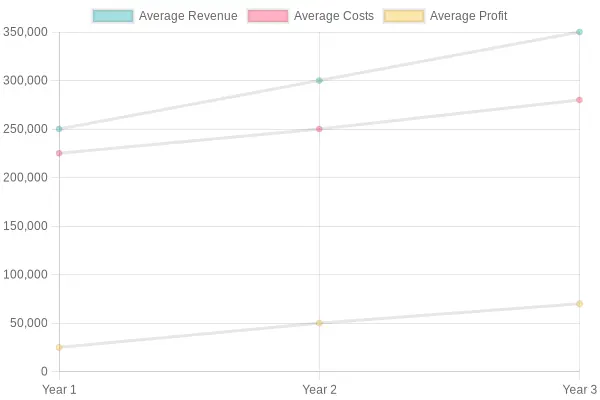
- Profit and Loss Statement: A summary of expected revenue against costs will help project profitability over time. The following table provides a summary of financial projections:
| Year | Average Revenue | Average Costs | Average Profit |
|---|---|---|---|
| 1 | $250,000 | $225,000 | $25,000 |
| 2 | $300,000 | $250,000 | $50,000 |
| 3 | $350,000 | $280,000 | $70,000 |
- Graph Visualization: Here’s a visual representation of financial metrics over the three years:
Conclusion
A well-crafted business plan is not just a document; it’s your bakery café’s business life guide. It will help you navigate challenges, secure funding, and ultimately succeed in creating a busy and culturally enriching space in your community. If you’re looking for more resources on starting your bakery café, click here to explore further.
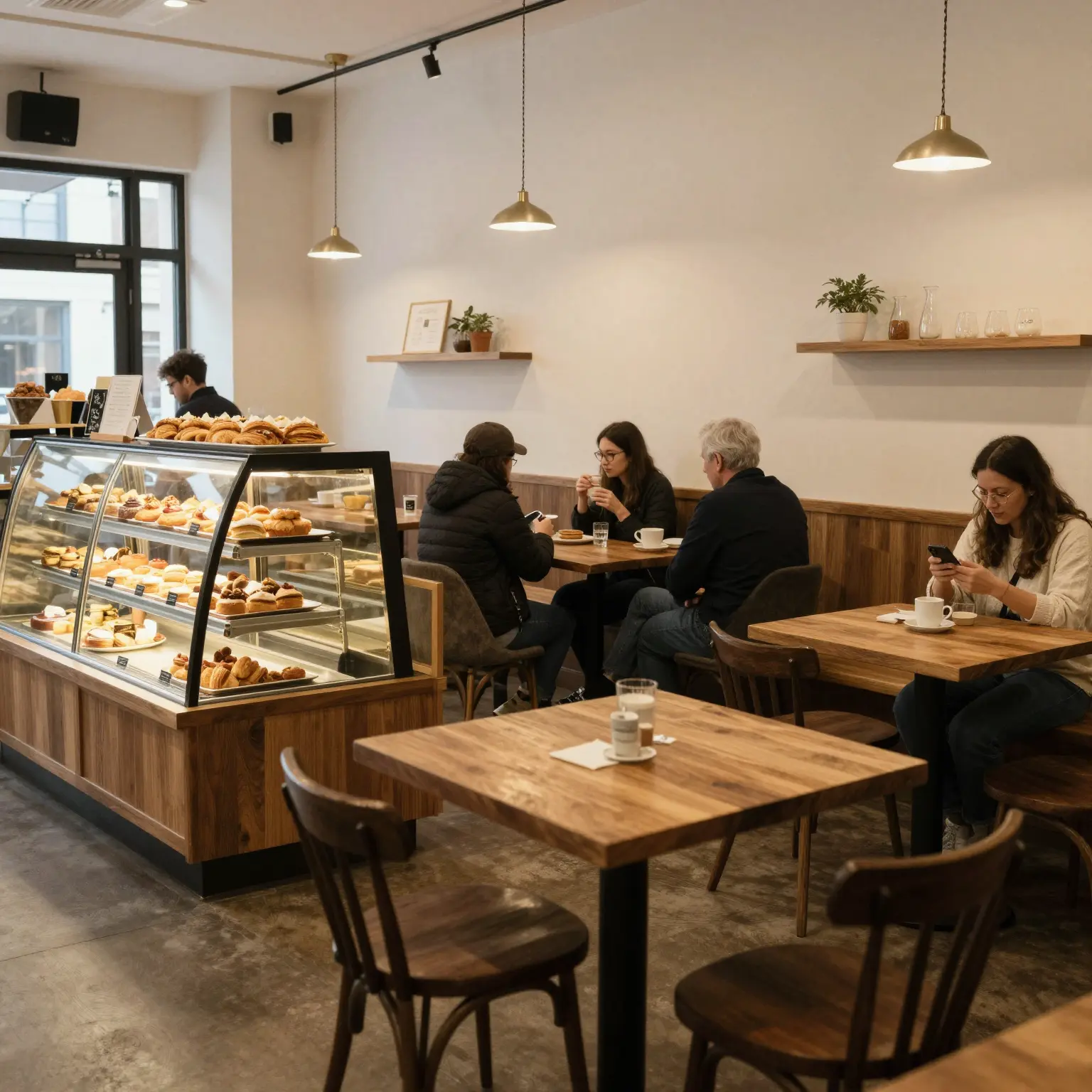
Market Research for a Bakery Cafe
Conducting thorough market research is critical for the success of a bakery cafe. It allows business owners to understand the market dynamics and tailor their offerings accordingly. Here’s a comprehensive guide on how to conduct market research for your bakery cafe, focusing on identifying target markets and analyzing competitors.
Identifying Target Markets
Understanding your target market is the first step in defining your bakery’s business strategy. Here are some methods and practical tips to help identify your ideal customers:
- Demographic Analysis:
- Gather data on the age, gender, income levels, and education of potential customers in your area. This helps in tailoring products to meet the preferences and purchasing power of different demographic groups. For example, younger customers may prefer trendy cupcakes, while older customers might enjoy classic pastries.
- Psychographics:
- Assess the interests, values, and lifestyles of your target market. This is essential in understanding what draws your customers to a bakery cafe. A health-conscious segment might be interested in gluten-free or organic products.
- Utilize surveys or social media polls to gauge preferences. This can include questions about favorite types of baked goods or desired cafe atmospheres.
- Behavioral Analysis:
- Understand consumer behavior by observing buying patterns. Are customers more likely to purchase sweet items during certain times, like holidays? Tracking seasonal trends can help adjust your product offerings accordingly.
- Examine competitors’ customer bases to identify gaps in service that you could fill. For instance, if local bakeries don’t provide vegan options, this could be a niche market for you to target.
Analyzing Competitors
Once you have a grasp on your target market, the next step is analyzing your competition. Here are a few effective strategies:
- Competitive Landscape Assessment:
- Identify and classify your direct and indirect competitors in the area. Look for similar bakery cafes, but also consider coffee shops and dessert bars that might serve competing products. Analyzing their offerings can help you discover product gaps in your own menu.
- Examine their pricing, marketing strategies, customer engagement tactics, and menu diversity to identify what works and what doesn’t.
- SWOT Analysis:
- Conduct a SWOT (Strengths, Weaknesses, Opportunities, Threats) analysis for your bakery and its main competitors. This can help identify your bakery’s unique selling propositions (USPs) while also recognizing areas you need to improve.
- By understanding what makes your competitors successful, you can adapt your strategies to differentiate your bakery.
- Market Trends:
- Stay informed on prevailing trends in the bakery industry. This can include the rise of artisanal baked goods, a shift towards sustainability, or changing consumer habits around snacking. Engaging in forums or subscribing to industry newsletters can provide valuable insights.
Practical Tips for Effective Research
- Leverage Technology: Utilize online platforms and social media for gathering customer insights and competitor analysis. Tools like Google Trends can help identify what baked goods are popular in your area.
- Networking: Attend industry events and trade shows to meet other bakery owners and gain insights into their market strategies. Learning from their experiences can provide tips on what to do and avoid.
- Conduct Surveys and Focus Groups: Engage potential customers through surveys or arranged tastings to gather direct feedback on product offerings and service expectations.
Market research is not a one-time activity but an ongoing process that should evolve with the market. By committing to continuous research, you can ensure that your bakery cafe remains relevant and successful in a competitive landscape. For further insights, consider visiting resources on target market strategies or competitor analysis in bakery management.
Comparison Table of Bakery Cafe Trends
In the evolving landscape of bakery cafes, certain trends are gaining traction among consumers and business owners alike. Below is a comparison table detailing these trends, including their descriptions, benefits, and challenges.
| Trend | Description | Benefits | Challenges |
|---|---|---|---|
| Organic Ingredients | Use of certified organic ingredients in baked goods. | – Healthier options |
- Eco-friendly production methods | – Higher ingredient costs
- Sourcing complexities |
| Gluten-Free Options | Baked goods made without gluten, appealing to those with Celiac Disease or gluten sensitivity. | – Expands customer base - Address dietary restrictions | – Often higher in sugar and calories
- Taste and texture can vary|
| Artisanal Products | Handcrafted, unique items focusing on quality over mass production.| – High-quality offerings - Perceived value by consumers | – Labor-intensive production
- May require specialized skills |
As you consider starting your bakery cafe, understanding these trends will not only keep you competitive but also align your offerings with the preferences of today’s health-conscious consumers. Learn more about starting your bakery cafe and the different options available to improve your offerings.
Conclusion
Incorporating these trends into your bakery can set you apart in a crowded market. By integrating organic ingredients, offering gluten-free alternatives, and producing artisanal products, you can cater to a diverse customer base while maintaining a commitment to quality.
To explore more about bakery trends, feel free to check out our detailed guide on baking here.
Starting a bakery cafe requires not only a passion for baking but also the financial means to turn that dream into a reality. Here’s an overview of various funding options, including loans, investors, and grants, along with practical advice on securing financing for your venture.
1. Traditional Business Loans
Business loans are a popular funding option for aspiring bakery cafe owners. These loans can come from banks, credit unions, or online lenders. Here are some types of business loans you might consider:
-
SBA Loans: The Small Business Administration (SBA) offers guaranteed loans that can be used for various business expenses, including equipment purchase, inventory, or working capital. They typically feature lower interest rates and longer repayment terms.
-
Equipment Financing: If you need specific equipment like ovens or mixers, many lenders offer financing specifically tailored for purchasing or leasing equipment. This kind of loan usually has the equipment itself as collateral.
-
Short-Term Loans: These loans provide quick access to funds but usually have higher interest rates and shorter terms. They can be suitable for immediate needs, such as stocking supplies or dealing with unexpected expenses. Resources like Crestmont Capital provide a comprehensive guide on bakery business loans.
2. Investors
If taking on debt isn’t appealing, you might consider finding investors. Getting investors can provide someone else’s capital while sharing the risks of your business. Some options include:
-
Angel Investors: These individuals provide capital for startups in exchange for ownership equity or convertible debt. They often have experience in the food industry and can offer advice and networking opportunities.
-
Venture Capitalists: These are professional investors who manage pooled funds to invest in high-growth startups. They typically invest larger sums but may seek significant control or equity stakes in return.
When seeking investors, ensure you have a solid business plan that outlines your bakery’s unique value proposition, market analysis, and financial projections.
3. Grants
Grants are an excellent source of non-repayable funds for your bakery cafe. Various government programs and private organizations offer grants targeted at small businesses in the food industry. Here are some avenues to explore:
-
Local Government Grants: Some local governments offer grants or low-interest loans to stimulate small business development. Check resources like Grants.gov for federal funding opportunities suitable for young businesses.
-
Small Business Innovation Research (SBIR): This program funds small businesses engaged in technological innovation, which could pertain to any unique baking methods or sustainable practices your bakery may implement.
-
Nonprofit Organizations: Some nonprofit organizations offer grants for small businesses that positively impact the community. Research local charities or foodie organizations that may provide funds.
Practical Tips for Securing Financing
-
Create a Detailed Business Plan: A well-crafted business plan outlines your bakery’s mission, marketing strategy, and financial projections, making it easier for lenders and investors to see the potential of your business.
-
Establish Your Creditworthiness: Improving your personal and business credit scores can help you secure loans at favorable rates. Pay off debts and ensure all financial obligations are met on time.
-
Network and Seek Mentorship: Reaching out to other bakery owners or industry professionals can provide invaluable insights and potentially lead to funding opportunities.
Conclusion
Securing financing for your bakery cafe is a critical step in bringing your vision to life. By exploring various funding options such as loans, investors, and grants, and following practical financial strategies, you can position your bakery cafe for success. If you’re interested in the journey of other successful bakeries, you might want to check out Dulce Vida Bakery for inspiration.
Remember, each funding route has its pros and cons; choose the one that aligns best with your business goals and risk appetite.
Selecting the right location and thoughtfully designing your bakery cafe are crucial steps in establishing a successful business. These elements not only enhance customer experience but also play a vital role in attracting foot traffic, maximizing visibility, and creating a welcoming atmosphere.
Choosing the Right Location
-
Foot Traffic: Choose a location with high pedestrian activity. This could be near shopping centers, parks, or schools where people naturally gather. A cafe located in a high-traffic area has greater potential for walk-in customers.
-
Visibility: Ensure your bakery cafe has high visibility from the street. Bright signage, large display windows, and an inviting entrance can attract passersby. A corner spot or a location at a major intersection can significantly increase visibility.
-
Demographics: Analyze the local population and their preferences. Are you in an area with a young demographic that enjoys artisanal baked goods, or a more traditional neighborhood that prefers classic pastries? Tailoring your offerings to the local tastes can enhance sales.
-
Accessibility: Consider how easy it is for customers to reach your cafe. Adequate parking, public transport options, and wheelchair access are essential. Locations near transit hubs tend to attract more customers who might stop by for a quick treat on their way home.
-
Competition: Investigate nearby competitors. While having other bakeries can mean a higher demand for baked goods, ensure there’s no oversaturation that could hurt your business. Look for underserved niches that your bakery cafe can fill.
Design Tips for a Bakery Cafe
-
Interior Aesthetics: The ambiance of your cafe should reflect the brand’s personality. Consider a cozy and inviting decor with warm colors, charming furniture, and plenty of natural light. Open kitchen designs allow customers to see their pastries being made, which can enhance their experience.
-
Seating Arrangements: Depending on your target market, decide the seating arrangement. For a casual experience, include communal tables where customers can share their space. Alternatively, cozy nooks for couples and singles can create an intimate atmosphere.
-
Display Cases: Your display case is often the first thing customers see when they enter. Make it attractive and well-organized, showcasing your best items prominently. Incorporate backlighting to highlight your delicious treats and entice customers to make purchases.
-
Trendy Design Elements: As highlighted in trending articles from sources such as Nestlé Professional and Bakemag, consider incorporating functional aesthetics that provide a mix of modern and rustic design elements. Use materials like reclaimed wood, metal accents, and industrial lighting to create a trendy vibe.
-
Digital Integration: Modern consumers appreciate technological convenience. Consider incorporating online ordering systems and digital menu boards, which cater to customers who prefer a seamless ordering process. This integration can also speed up service during busy hours.
-
Brand Story: Let your design tell a story about your bakery cafe. Include visuals or quotes that represent your brand’s journey, values, or mission. This connection can build loyalty among customers who appreciate your authenticity.
Creating the perfect location and design for your bakery cafe requires thoughtful consideration of various factors. By focusing on foot traffic, visibility, and appealing design elements, you can establish a vibrant community hub that attracts customers and keeps them coming back for more.
For more insights on the intricate details of launching your bakery cafe, you can learn more about our journey.
By integrating these strategies, you’ll be well on your way to success in the bakery cafe business.
“The challenges of baking are often the most rewarding parts of my day; when you turn your passion into a business, the joy of seeing customers enjoy your creations makes all the hard work worth it.”
- Amelia Haden, Owner of a Successful Bakery
Starting a bakery café is a rewarding journey, filled with challenges that can lead to personal and professional growth. As bakery owner Amelia Haden highlights, the joy comes not just from baking but from seeing customers enjoy your creations. The ability to adapt, innovate and respond to feedback is crucial in navigating the complexities of running a bakery café.
Incorporating lessons learned
- Understand that challenges will occur, but they can lead to meaningful lessons.
- Engage with your community to understand their needs and preferences, which can guide your menu.
- Embrace creativity, as trying new ideas may surprise you with what resonates with your customers.
Marketing Strategies for Your Bakery Cafe
Starting a bakery cafe not only involves offering delicious baked goods and beverages but also implementing effective marketing strategies to attract and retain customers. Here’s how you can successfully market your bakery cafe:
1. Leverage Social Media
Social media platforms are powerful tools for bakeries to showcase their products and engage with the community. Here are some effective strategies:
- High-Quality Visual Content: Post appealing photos of your baked goods, showcasing different angles and presentations. Consider using Instagram’s carousel feature to display a series of images that tell a story.
- Engage Through Contests or Giveaways: Encourage user-generated content by holding contests where customers share photos of their favorite treats from your cafe. Reward winners with free products to foster loyalty and excitement around your brand. For further insights, you can explore this guide on social media strategies for bakeries.
- Use Hashtags Wisely: Leverage relevant hashtags to increase your posts’ visibility. Local hashtags can help attract community members, while trending food-related hashtags can widen your audience.
2. Local Advertising
Reaching your local community is crucial for your bakery cafe’s success. Consider the following local advertising tactics:
- Collaborate with Local Businesses: Partner with nearby coffee shops, florists, or event planners to cross-promote each other’s businesses. For instance, you can supply baked goods for a local café to sell and vice versa.
- Participate in Local Events: Set up a stall at farmers’ markets, fairs, and community events. This not only generates sales but also enhances brand visibility and allows you to connect with customers personally.
- Offer Local Discounts: Launch special promotions targeting locals, such as a discount for customers living within a certain ZIP code or for first-time visitors.
3. Build a Loyalty Program
Customer retention is key in the bakery industry. Create a loyalty program that rewards repeat customers. Here are some ideas:
- Punch Cards: Offer a punch card where customers receive a free pastry after a certain number of purchases.
- Online Loyalty Programs: Use digital apps or rewards platforms where customers can track their purchases and rewards-a convenient method for tech-savvy shoppers. Learn more about loyalty programs.
4. Email Marketing
Building an email list allows you to communicate directly with your customers. Here’s how you can utilize email marketing:
- Send Regular Newsletters: Share updates about new products, seasonal promotions, or upcoming events at your bakery cafe.
- Exclusive Coupons: Email exclusive discounts to your subscribers to encourage visits, incentivizing them to purchase and informing them of your offerings.
Conclusion
By effectively leveraging social media, local advertising strategies, loyalty programs, and email marketing, your bakery cafe can build a strong customer base and thrive in a competitive marketplace. Engaging potential customers with innovative strategies not only increases immediate sales but can also establish lasting relationships that benefit your bakery in the long run.