
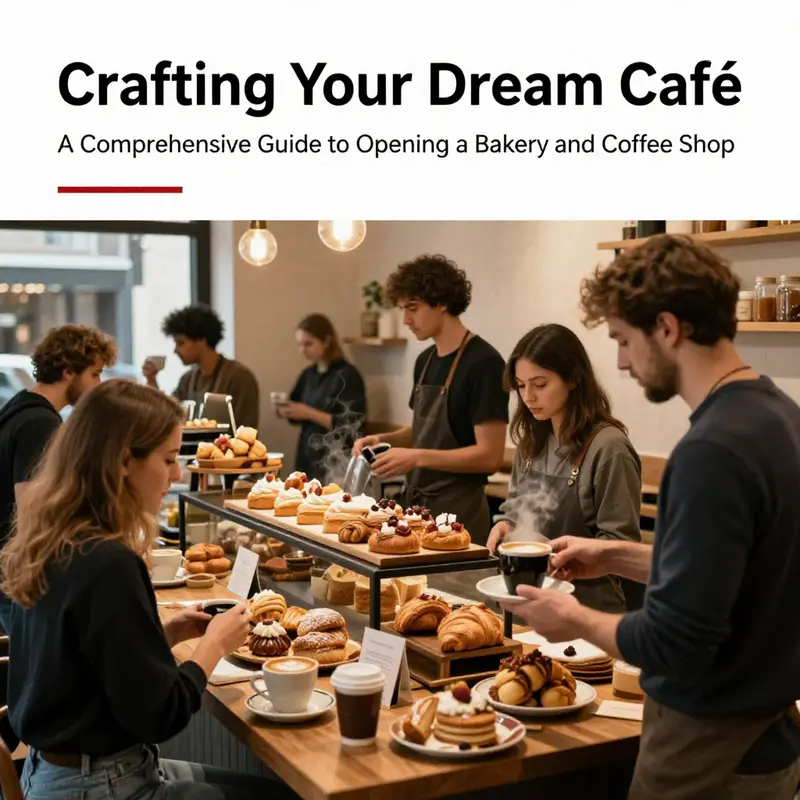
Opening a café and bakery is more than just serving delicious pastries and strong coffee; it’s about creating a vibrant space that resonates with your customers. In today’s competitive market, a well-defined concept, strategic planning, and awareness of local regulations are critical to success. This guide will delve into key aspects of launching your café and bakery, focusing on defining your unique concept, creating a robust business plan, and navigating the complexities of licensing and location selection. By understanding these elements, you can lay a solid foundation for your venture and craft an inviting space that draws patrons in.
Shaping Your Identity: Crafting a Cafe and Bakery Concept That Guides Every Decision
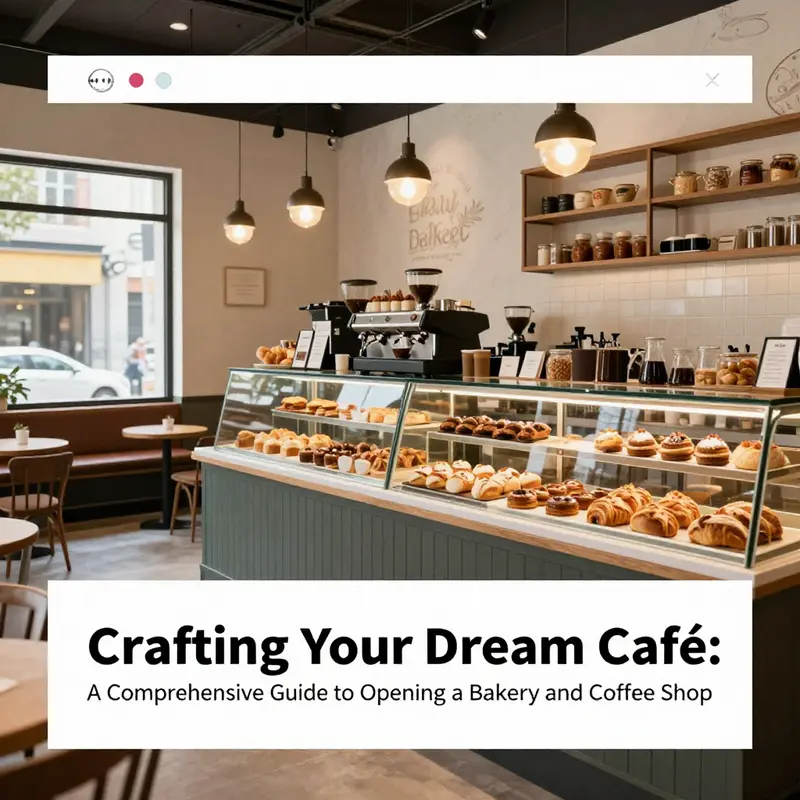
Defining Your Concept: the North Star for a Cafe and Bakery
Every major choice when opening a cafe and bakery should trace back to one clear idea: the concept. This idea is not a slogan. It is a guide for menu choices, layout, staffing, pricing, and marketing. When it is precise, it simplifies decisions. When vague, it creates inconsistency that confuses customers and staff.
Begin with questions that expose your priorities. Why open this business? Who are you serving? What emotional or practical need will you satisfy? Answering these will sharpen your concept. Maybe you want a neighborly place where families gather. Maybe you aim for an upscale pastry atelier paired with single-origin coffee. Maybe your niche is allergen-free baked goods and fast grab-and-go service. Each answer points to a different set of operational choices.
A strong concept has three practical components. First, a concise mission statement. This explains purpose in one or two sentences. It anchors team behavior and marketing messages. Second, a clear business model. Will you rely on dine-in traffic, wholesale, online orders, or catering? Each model brings different cost structures and staffing needs. Third, a set of unique selling propositions. These are concrete, testable claims that make you different. Examples include using only locally sourced flour, offering an exclusive pastry technique, or specializing in morning rush service.
Market research must ground your concept. Visit potential neighborhoods and observe foot traffic. Note commuter patterns, office density, nearby schools, and residential types. Talk to people. Ask simple questions about their coffee habits and pastry preferences. Competitor analysis matters. Identify what others do well and where they fall short. The goal is not to copy. It is to find opportunities for clear differentiation.
Choose a positioning approach that fits your findings. One path is to be the best. This favors premium ingredients, skilled bakers, and meticulous training. It demands higher price points and consistent quality. Another path is to be the fastest, focusing on efficient service, simplified menus, and a strong takeout system. A third path is to be the most special, catering to underserved groups with niche needs. Each path affects your kitchen layout, equipment, staffing, and supplier choices.
Translate concept into sensory details. Think about how menus, decor, music, and staff uniforms should feel to customers. A neighborhood-focused spot might use comfortable seating and warm lighting. A modern specialty bakery might prefer minimalist design and bright displays. The menu language should match. Use straightforward names for classic items in a family cafe. Use crafted descriptions for artisanal offerings. Consistency across touchpoints builds trust and strengthens brand recall.
Plan your menu to reflect both concept and operations. Avoid an unfocused menu that tries to serve everyone. Instead, select items that align with your strengths and local demand. If your concept centers on bread and morning coffee, prioritize dough development and proofing schedules. If pastries and desserts are the anchor, invest in pastry equipment and skill training. Running cost analyses for each menu item will reveal true profitability. Factor in labor, ingredient costs, and waste.
Operational alignment ensures the concept survives day-to-day pressure. Kitchen layout must support your menu flow. If you make laminated pastries daily, allocate space for rolling and chilling. If espresso speed matters, design a bar that minimizes movement. Staffing plans must reflect skill needs. Hire bakers with the techniques you require, and train baristas to match the drink quality you promise. Cross-training increases flexibility, especially important in early months when staffing shifts are frequent.
Brand storytelling helps customers connect emotionally. Short narratives on menus or signage can explain why you source locally, why family recipes matter, or why your baristas roast beans in small batches. But avoid long, unfocused prose. Use a few compelling points that reinforce your concept. Visual branding—logo, color palette, packaging—should echo the same story. When design and copy align, every purchase becomes a consistent brand moment.
Test the concept early with a soft launch. Invite neighbors, friends, and potential customers for sampling. Use their reactions to refine offerings. Pay attention to what they actually order, not just what they say they prefer. Soft launches reveal operational gaps as well. Track ticket times and waste during those events. Adjust recipes, portion sizes, and staffing before the grand opening.
Remain flexible. A concept is alive, not locked in stone. Review sales and customer feedback monthly. If a pastry consistently underperforms, consider altering it or removing it. If a drink sells well, think about variations or bundle deals. However, avoid radical shifts that dilute your identity. Small, purposeful adaptations keep your brand relevant while preserving recognition.
Examples can make abstract ideas concrete. A business that positions itself as an all-day neighborhood hub might pair long seating hours with comfort food and family-oriented events. A specialty pastry shop might limit seating, focus on high-margin desserts, and sell whole cakes by pre-order. A fast model might emphasize mobile ordering, breakfast combos, and compact packaging. Each strategy affects inventory, supplier choices, and staffing differently.
Finally, document the concept and the decisions it drives. Create a one-page concept brief with mission, target customer, USPs, and operational priorities. Share it with every new hire and contractor. When a design choice or menu addition arises, test it against the brief. If it supports the concept, proceed. If not, either refine the idea or reject the change.
For a local example of concept-driven branding in action, see Dulce Vida Cafe for inspiration on blending bakery offerings with a clear neighborhood identity: Dulce Vida Cafe.
For practical guidance on turning a concept into regulatory-ready operations, consult this external planning guide: https://stripe.com/guides
Drafting a Winning Blueprint: Creating a Business Plan for Your Cafe and Bakery
Opening a cafe and bakery blends two crafts into one experience. A business plan acts as the thread that holds concept, operations, and finance together. When the bakery’s rhythm meets the cafe’s pace, a clear plan prevents a mismatch. Start with an executive summary that states the vision, the core promise, and the goals for the first three to five years. Translate that concept into a living document that guides decisions, attracts partners, and withstands market shifts. The aim is not perfection on day one but a blueprint you can refine as the business grows.
Your executive summary should capture who you serve, what you offer, and why it matters. Emphasize the bakery’s craft alongside the cafe program, and describe the environment you want to create. A strong value proposition might describe a warm neighborhood hub with reliable baked goods and considerate pricing. Include measurable objectives: monthly sales targets, a plan for space utilization, and a reasonable break-even timeline. A forward-looking tone helps lenders and partners see a path beyond today. Position the plan around a mission to blend craft and community in a space that invites lingering as well as efficient visits.
Market analysis grounds the plan. Define your target demographic and outline lifestyle, price sensitivity, and preferences. A cafe bakery serves office workers needing a dependable morning option, students seeking a study-friendly spot, families craving weekend treats, or a mix. Examine nearby competitors for menus, hours, seating, and what customers say online. Data show a trend toward healthy options, customization, and spaces that feel welcoming for work or study. Use this insight to choose a location with foot traffic near offices or schools. Quantify opportunities and risks such as seasonality or supplier costs. If you plan to emphasize sustainability or local sourcing, describe how that strengthens loyalty. For brand narrative ideas, visit Dulce Vida Café.
Product and service offerings should map the menu and the guest journey. Outline bakery items like breads, pastries, and cakes, along with beverages and non dairy options. Plan for seasonal offerings and a process to test recipes, control costs, and monitor yield. Build in cross utilization of ingredients so a dough can become a breakfast item paired with coffee. Create price psychology that reflects quality while staying fair for your market. Document supplier expectations, quality standards, and cadence for new items. The goal is a cohesive menu with clear margins that cover labor and overhead.
Marketing and sales strategy translates the plan into real world traction. Define branding and how you present the space, from signage to staff demeanor. Plan an online presence that tells your origin story and showcases baking and brewing routines. Develop a loyalty approach that rewards repeat visits and encourages cross visits from bakery customers to the cafe. Build partnerships with local artists, host events, and create a schedule that gives the space ongoing life. Pricing should reflect value and promotions should be purposeful. This section shows how you turn curiosity into foot traffic and steady customers.
Operational plan covers the backbone of daily life. Describe the organization and management structure, key roles, and responsibilities. Include training programs that cover baking, espresso, hygiene, and customer service. Establish standard operating procedures for opening, service, and closing, plus a robust inventory process. Secure reliable suppliers and set a regular evaluation system for quality and cost. Plan equipment needs with a maintenance schedule and a backup plan for outages. The kitchen layout should support both baking and drinks service, while the dining area invites lingering without bottlenecks.
Financial projections translate the plan into numbers. Start with startup costs such as lease improvements, equipment, initial inventory, licenses, and working capital. Working capital should cover rent, payroll, and utilities for at least six months. Build a three to five year forecast that shows revenue growth, gross margins, and a path to break even. Include cash flow statements and a basic debt versus equity plan. Add sensitivity analyses to show how changes in traffic or costs affect the bottom line. This section proves the venture remains viable under different scenarios.
Funding and budgeting connect dreams to reality. Outline potential sources of capital, a realistic repayment plan, and a strategy to preserve cash during slower periods. Build contingency reserves, avoid over leveraging, and align capital with milestones in your operations plan. Focus on sustainable growth rather than rapid expansion, ensuring quality stays high as you scale.
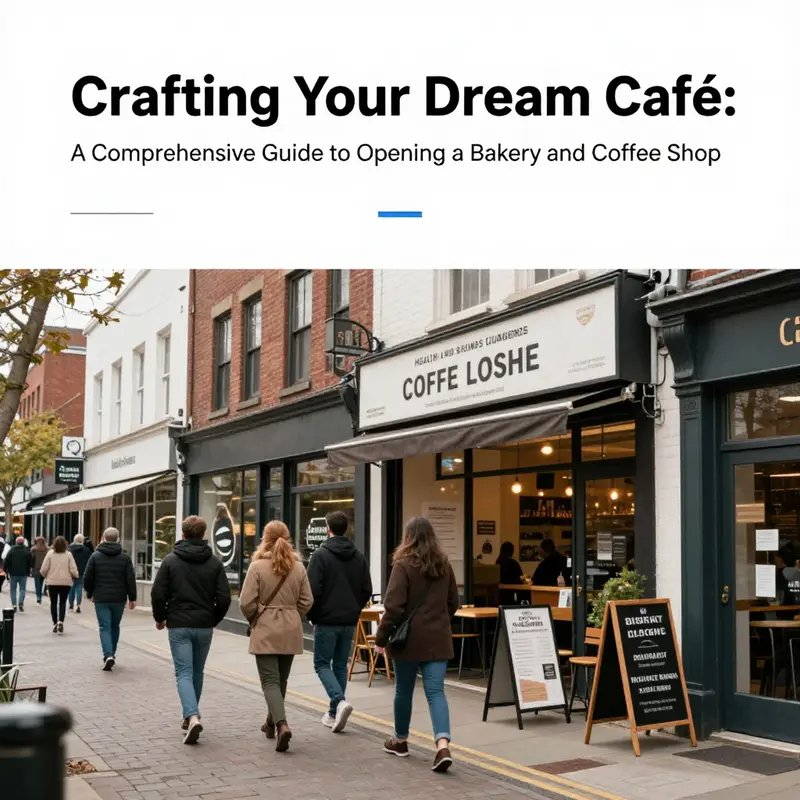
Location and licenses anchor the business in the real world. Describe site criteria, from foot traffic to lease terms and customer access. Map out the licensing landscape and outline a plan to obtain permits on time. A streamlined approach reduces friction and speeds opening. Understand that compliance shapes operations as much as concept.
Implementation and milestones close the loop. Turn the plan into a calendar of steps: secure the site, finalize design, sign supplier contracts, hire and train staff, complete a soft launch, and move to full service. Set clear milestones and monthly metrics to stay honest and adaptable. The plan should be a living document that records what works and what needs shifting, guiding day to day decisions with confidence.
External resource: https://www.shopify.com/blog/starting-a-cafe-and-bakery-business-plan
null
null
Final thoughts
Successfully opening a café and bakery requires careful consideration at every stage—starting from honing your concept to navigating the intricate details of licensing. By ensuring a solid business plan and selecting the right location, you create an inviting space that meets the needs of your community. Your journey towards creating a beloved café won’t just represent your passion for baking and coffee; it will become a cornerstone of social interaction and happiness for many. As you embark on this venture, stay flexible, adapt to feedback, and always prioritize quality in your offerings.