
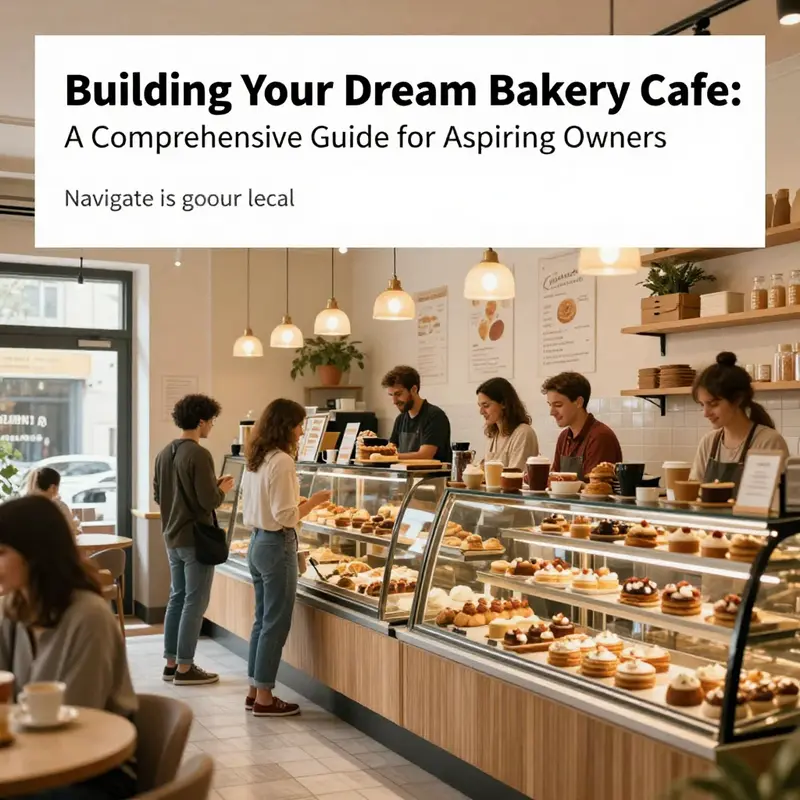
Opening a bakery cafe is a rewarding venture that combines culinary artistry with business acumen. Owners navigate a world of creativity, community engagement, and customer relations, all while ensuring compliance with essential laws and regulations. This guide aims to equip aspiring bakery cafe owners with necessary insights into the legal landscape of establishing a food business and mastery over impactful marketing strategies. The focus of the first chapter is on understanding the legal requirements that shape the operation of a bakery cafe, while the second chapter dives into strategic marketing approaches designed to attract and retain customers, thus positioning your bakery cafe as a beloved pillar of the community.
Laying the Groundwork: Navigating Legal Milestones for a Bakery Café
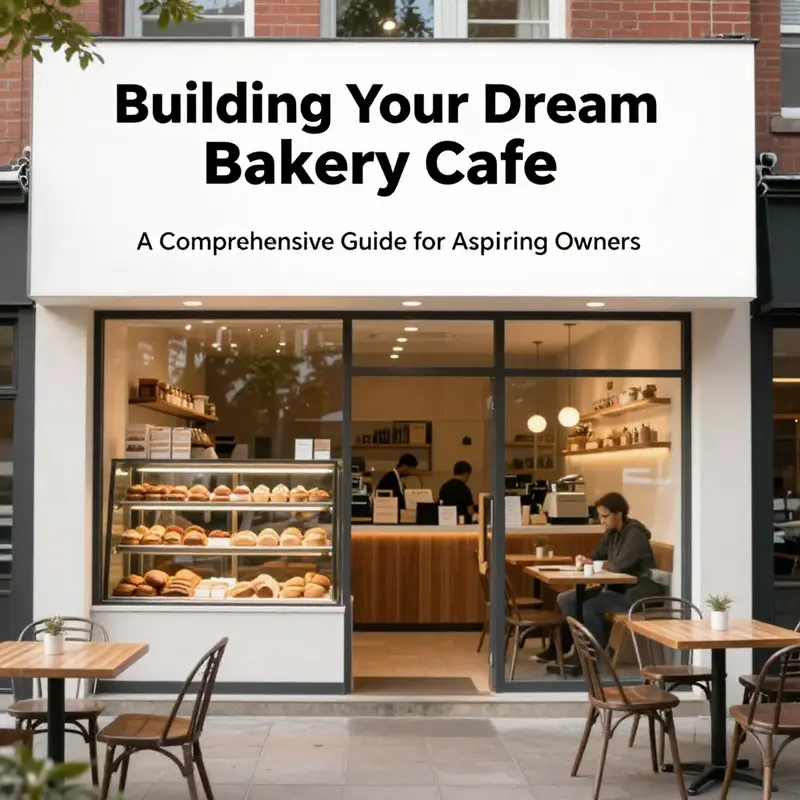
Opening a bakery café begins long before the ovens warm and the aroma of butter and sugar fills the air. It starts with a map of lawful steps that protect customers, staff, and the business itself. A well-planned legal foundation reduces risk, stabilizes operations, and clarifies the path from first registration to a bustling, compliant storefront. Think of compliance not as a box to check but as a framework that guides every decision you make, from where you choose to locate your shop to how you train your team to handle food, money, and guests. This chapter walks through the essential milestones—registration and licenses, health and safety, employment protections, fire and building safety, and the occasional add-on permits—that a bakery café will typically encounter across many jurisdictions. The goal is not to overwhelm but to equip you with a practical, forward-looking view of what keeping your doors open legally entails.
First, you must establish the business in a way that gives you a legitimate legal identity and a distinct name. This usually means choosing a business structure—sole proprietorship, partnership, LLC, or corporation—and filing with the appropriate state authority, often the Secretary of State. A formal structure not only helps with liability protection and taxes but also signals to lenders, landlords, and suppliers that you are a serious enterprise. Along with this, you’ll register your business name in your state and possibly at the local level. A name search helps ensure you won’t collide with another entity’s brand, which can save you costly rebranding later. Simultaneously, you should obtain an Employer Identification Number (EIN) from the IRS. The EIN is more than a formality; it opens a business bank account, supports payroll, and is essential for tax purposes. In many communities, the next logical step is to secure a general business license from the city or county, which authorizes you to operate within that jurisdiction. These steps create a clear legal footprint for your bakery café and lay the groundwork for the more specific licenses that follow.
No matter where you open, the heart of your regulatory journey lies in the health and safety regime that governs food service. The crown jewel of this regime is the Food Service Permit (or Food Establishment Permit), issued by your local or state health department. This permit confirms your facility meets sanitation and food safety standards designed to protect public health. While the permit itself is a formal document, the more influential work happens in the lead-up: designing a kitchen that promotes clean flow, preventing cross-contamination, and maintaining cold and hot storage at correct temperatures. You will be required to pass a health inspection, a thorough walk-through that examines everything from the layout of the kitchen and the cleanliness of equipment to the storage of raw ingredients and finished products and the presence of pest control measures. A designated Food Safety Manager is often required—a role that may be filled by someone who holds a certification such as ServSafe or a comparable credential recognized in your region. This person leads daily food safety practices, conducts ongoing staff training, and ensures your operation complies with the latest guidelines. The responsibilities can be substantial, but the payoff is clear: consistent safety standards build trust with customers who choose your bakery café for both taste and reliability.
Beyond the kitchen, the people who work in your space carry a different kind of regulatory weight. Employment and worker protections require adherence to labor laws, wage and hour rules, and proper tax withholdings. If you hire staff, you will need an EIN for tax reporting and payroll processing. You’ll also want to ensure your onboarding and ongoing practices reflect fair labor standards, including proper pay, safe working conditions, and access to necessary breaks and benefits if applicable. In many regions, employees who handle food are required to obtain a health or food handler certificate, which typically involves completing a basic food safety training course. Regular training on hygiene, allergen awareness, and safe operation of equipment supports both compliance and customer safety. Keeping organized records of training, certifications, and compliance checks not only helps during inspections but also protects your business in the event of any review or audit.
A bakery café also sits at the intersection of building and fire safety. Kitchens involve high-heat ovens and potentially open flames, which heighten risk and scrutiny. Your space will likely need to pass a Fire Safety Inspection conducted by the local fire department. This inspection ensures that fire extinguishers—often including Class K extinguishers for grease fires—are in place and accessible, that emergency exits remain unobstructed, and that smoke and heat detectors are functional. If your project involves renovations or new construction, you may require Building Permits to certify structural integrity and compliance with building codes. These inspections and permits are not merely bureaucratic hurdles; they are physical safeguards that reduce the chances of fire, structural failure, or evacuation chaos. They also provide a framework for safe equipment installation and proper ventilation—critical factors in a kitchen that runs on steam, oil, and hot air.
There are additional considerations that can appear on the regulatory radar depending on your business model and location. If you plan to sell alcoholic beverages, a Liquor License is typically required, often through a state agency or alcohol control board, and this license comes with its own set of fee schedules, compliance training, and renewal obligations. Some jurisdictions also impose Tobacco Retailer Permits for tobacco sales and various signage permits for exterior or interior branding that interacts with public spaces. Then there is the matter of sales tax and other local taxes. Many bakery cafés operate in a regime where you must register for Sales Tax Collection with the state revenue department and remit taxes on taxable goods. Even if taxes are handled by a payroll system, you’ll need to understand which items are taxed and how to report them accurately. Given the complexity and potential variability from city to city, it helps to map out the licenses, permits, and tax registrations you will need in a single, organized compliance calendar.
The practical challenge of all this is not only obtaining licenses but maintaining them over time. Inspections recur, certifications require renewal, and regulations can evolve with new health guidance, safety standards, or labor laws. Keeping a reliable compliance program means designating a point person or a small compliance team to monitor deadlines, training refreshers, and any changes in requirements. This can be as simple as a digital calendar with renewal reminders and a shared file of licenses, permits, and certificates, or as formal as a dedicated compliance software solution if your operation scales significantly. The objective is ongoing readiness: you want to be prepared for a renewal inspection, audit, or surprise check, with documents neatly organized and easily accessible.
Because the landscape is geographically layered, the exact steps and names of licenses can vary. A key practice is to consult both the official channels that govern food service and the local authorities who issue licenses in your area. Many operators find it valuable to connect with a mentor or join a local business association to learn about common pitfalls and best practices specific to their municipality. If you’re building a brand alongside compliance, you’ll also want to be mindful of how branding intersects with legal obligations—trademarks, for instance, require careful attention to name protection and intellectual property. The aim is not to create friction but to build a resilient operational backbone that supports sustainable growth.
As you navigate these rules, consider how your approach to brand, service, and community will align with regulatory expectations. A bakery café that emphasizes transparency—about where ingredients come from, how foods are prepared, and how staff are trained—often earns customers who value safety, consistency, and ethical practice. You can weave this trust into your storytelling and your in-store experience, from the way you describe your ingredients to how you present allergen information and ingredient sourcing. Such alignment helps you communicate clearly with customers and regulators alike, reducing surprises during inspections and making compliance a central aspect of daily excellence rather than a burdensome afterthought. If you’re seeking an example of how a bakery brand can approach certification and safety while maintaining a distinctive identity, you can explore related journeys at Dulce Vida Bakery.
In sum, the legal foundations for opening a bakery café are a blend of strategic planning and disciplined execution. Securing the right business structure and name protection, obtaining essential licenses, meeting health and safety standards, and maintaining good employment practices create a sturdy platform for your culinary ambitions. The path may feel intricate, but each milestone is a protection and a promise—to your guests, your team, and your future growth. Embrace the process as an integral part of building a bakery café that stands the test of time, where delicious products and responsible operations go hand in hand. As you prepare to pursue these steps, keep in mind that official guidance and regulatory specifics can be verified through the appropriate state and local agencies, and when it comes to brand protection, formal trademark avenues should be consulted to safeguard your identity and investment. For official guidance on trademark registration, visit the USPTO: https://www.uspto.gov
Marketing the Moment: Turning a Bakery Café Launch into a Beloved Brand
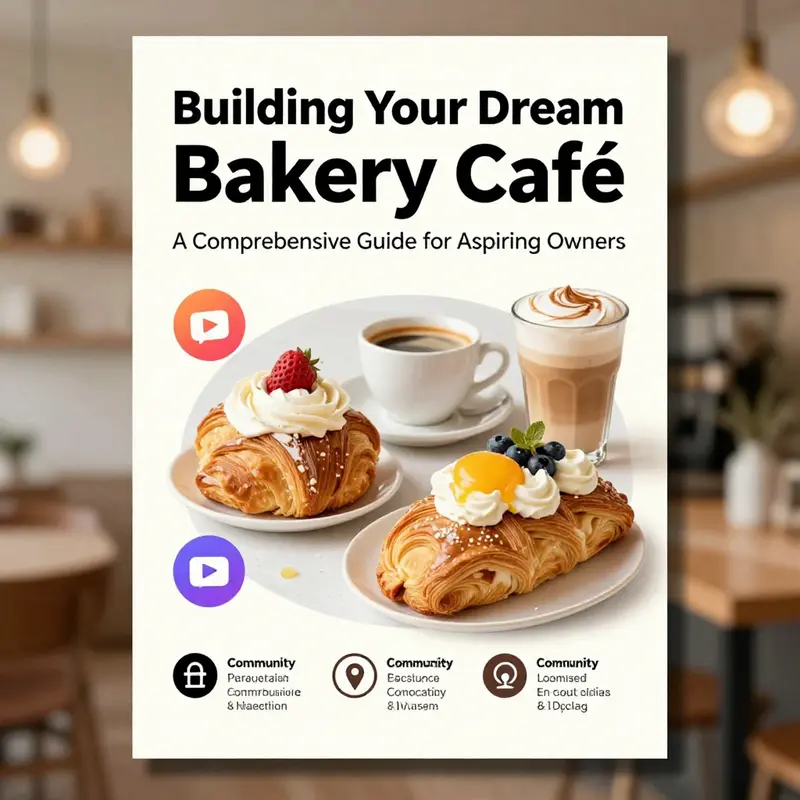
Opening a bakery café is not only about the ovens and the aroma; it’s about shaping a story that people want to be part of every day. The moment you begin to think of marketing as an ongoing conversation rather than a one-off push, you set a foundation that can carry you from a soft opening to a bustling lunchtime rush. The core idea is simple: deliver exceptional product, present it consistently, and invite customers to participate in your growing story. This means aligning your visuals, your voice, and your values from the first sketch on a napkin to the first post on social media and the first review on a map listing. Your brand isn’t just a logo on a menu; it’s the feeling someone experiences when they walk through your doors, smell the buttered warmth, hear the hiss of the espresso, and see a case filled with pastries that look crafted with care.
Visual storytelling sits at the heart of that feeling. People eat with their eyes before they decide to take a bite, so invest in photography that captures texture, color, and the tiny details that make your offerings feel irresistible. Show the dough as it rests in a proofing cabinet, or the steam curling from a freshly poured cappuccino; let customers glimpse the texture of a crust, the glaze on a fruit tart, or the glossy sheen of a chocolate escape. The goal is consistency across posts, stories, and reels, so your color palette, typography, and the overall mood reinforce the same memory every time someone scrolls by. Behind the scenes footage builds credibility, but it should be selective and purposeful, offering glimpses that deepen desire rather than exposing every routine. Engaging captions that tell a quick story—where the ingredients come from, how a pastry got its name, or why a coffee bean was chosen—turn passive viewers into curious visitors.
Increasing your local footprint hinges on partnerships and community presence as much as on online tactics. A bakery café thrives when it feels embedded in the neighborhood, when people see familiar faces and repeat faces, when they hear about a pop-up at a nearby bookstore or a weekend farmers market. Sponsor a small local event, host a tasting, or offer a pastry workshop that gives residents a reason to step into your space while they’re already out for errands. Collaborations with nearby businesses can create a corridor of foot traffic: a morning coffee crawl with a nearby deli, a weekend morning market stand near a craft shop, or a cross-promotion with a bookstore that invites customers to read while they nibble. Signage matters, too. A well-designed storefront sign and interior signage that reflect your brand’s warmth invite passersby to pause, browse, and linger. The interior design should echo the same brand story you tell online—soft lighting, natural textures, and an orderly, welcoming counter where curiosity meets hospitality. The goal is a seamless, lived experience, where every touchpoint—from the chalkboard menu to a neatly arranged pastry display—feels intentional and comfortable.
A well-planned loyalty strategy can anchor repeat visits while offering rich customer data that informs product decisions. The simplest approach is often the best: a straightforward punch card or a mobile rewards program that acknowledges every ninth or tenth visit with a small thank-you. Collect emails or phone numbers at checkout with opt-in incentives, and use that channel to share early-bird flavors, limited-time menus, or invitations to exclusive tastings. The key is to keep the program clear and valuable, not burdensome. When customers know their points translate into something meaningful—early access to a new croissant lineup, a seasonal pastry, or a complimentary item with a birthday—their engagement becomes a habit rather than a one-off.
Differentiation through seasonal and signature items keeps a bakery café buzzing. Curated seasonal treats create anticipation and give customers a reason to return regularly. A rotating menu can honor local harvests, celebrate cultural festivities, or simply showcase a chef’s evolving toolkit. The allure of limited editions is not just the product but the story around it—the inspiration, the sourcing, and the craft behind the bake. Communicate these narratives through short videos, quick recipes, or in-store storytelling that invites customers to become part of the creation process. This approach also lends itself to user-generated content: customers who share photos of the seasonal items help expand your reach organically and authentically.
Exceptional customer service ties everything together. The experience begins the moment a guest enters, continues through the warmth of the greeting at the counter, and finds its peak in the steadiness of the wait time, the clarity of the menu, and the care in packaging. Staff training should emphasize product knowledge, brand voice, and hospitality standards as much as technical skill. When a mistake happens, owning it with a quick apology and a thoughtful remedy is more persuasive than an explanation. Online reviews are conversations too; respond promptly, politely, and with a touch of personality. When customers sense that your team cares about their experience—whether through a free sample offered during a slow hour or a courteous reminder about a pastry crumb on a bag—the chance of a returning visit rises significantly.
Digital presence complements in-person warmth. Claim and optimize listings on map services and review platforms so your bakery café appears in local searches when someone is craving a fresh loaf or a latte. A consistent set of social channels—Instagram for visuals, Facebook for longer-form storytelling, and short-form videos on a platform where audiences discover new flavors—keeps you visible across the places people already spend time. A practical content calendar helps avoid gaps; plan a cadence that balances product shoots, behind-the-scenes glimpses, and community stories. Use each post to invite engagement: ask followers to vote on next week’s flavor, share a memory associated with a family recipe, or tag a friend who loves warm bread the way you do. The right cadence blends immediacy with evergreen value, giving your venture a steady drumbeat rather than a splash that fades quickly.
Brand identity is the quiet engine that sustains growth. Even before a sign goes up, you should have a coherent set of brand assets—logo, color palette, typography, packaging, and a voice that feels genuine to the space you’re creating. Packaging becomes a tactile ambassador: the texture of a paper bag, the print on a sleeve, the weight of a pastry box—all these details communicate care. In-store signage should be legible from a distance and aligned with your color system and typography; a clear menu and well-lit displays reduce friction at the counter and invite impulse purchases without overwhelming the customer. When a visitor experiences consistency between the storefront, the online profile, and the tasting room, trust builds quickly. The partnership between physical space and digital presence makes your bakery café feel both tangible and accessible, a place where you can rely on the friendly ritual of morning rituals and afternoon indulgences to anchor daily routines.
To illustrate how this branding and marketing philosophy can translate into real-world practice, consider a local café concept that has built a recognizable presence while staying true to its craft. For inspiration, see the Dulce Vida Cafe profile. That example highlights how a cohesive aesthetic, a dependable product line, and thoughtful community involvement can translate into steady traffic and a growing following. Dulce Vida Cafe profile. The page demonstrates how a small space can become a hub by focusing on authenticity, accessibility, and warmth. The lesson here is not to imitate but to adapt the core ideas: clarity in what you offer, a genuine connection to the community, and a customer-centered approach that keeps people coming back.
As with any growth plan, your marketing should remain tightly aligned with your broader business strategy. Your communications should echo the mission, audience, and promise you established in planning. Tie promotions to operational realities: you can only deliver a premium pour and a perfectly risen croissant if your kitchen operates smoothly, your supply chains are reliable, and your staff are trained to manage peak times with calm efficiency. When these elements align, marketing becomes less about chasing trends and more about reinforcing a dependable, delightful rhythm that your customers recognize and anticipate. The long arc of your bakery café’s marketing is about cultivating trust, and trust grows through consistency, generosity, and listening—listening to what customers want, what locals celebrate, and what their weekly rhythms reveal about when they crave something fresh and comforting.
For readers seeking further depth on building a brand that resonates with bakery audiences, a well-regarded external resource offers practical frameworks you can adapt to bakery-focused outcomes: https://www.bakerymarketing.com/.
Final thoughts
Successfully opening a bakery cafe requires a clear understanding of the legal landscape and an innovative marketing approach. The journey begins with meeting all regulatory requirements to ensure compliance, which is critical to establishing credibility in the food service industry. Following this, implementing effective marketing strategies will not only attract customers but also foster long-term loyalty. By marrying both these critical aspects, aspiring bakery cafe owners can build a thriving business that celebrates culinary passion while offering an unforgettable experience to the community.