
The Rise of Garden Bakeries and Cafes
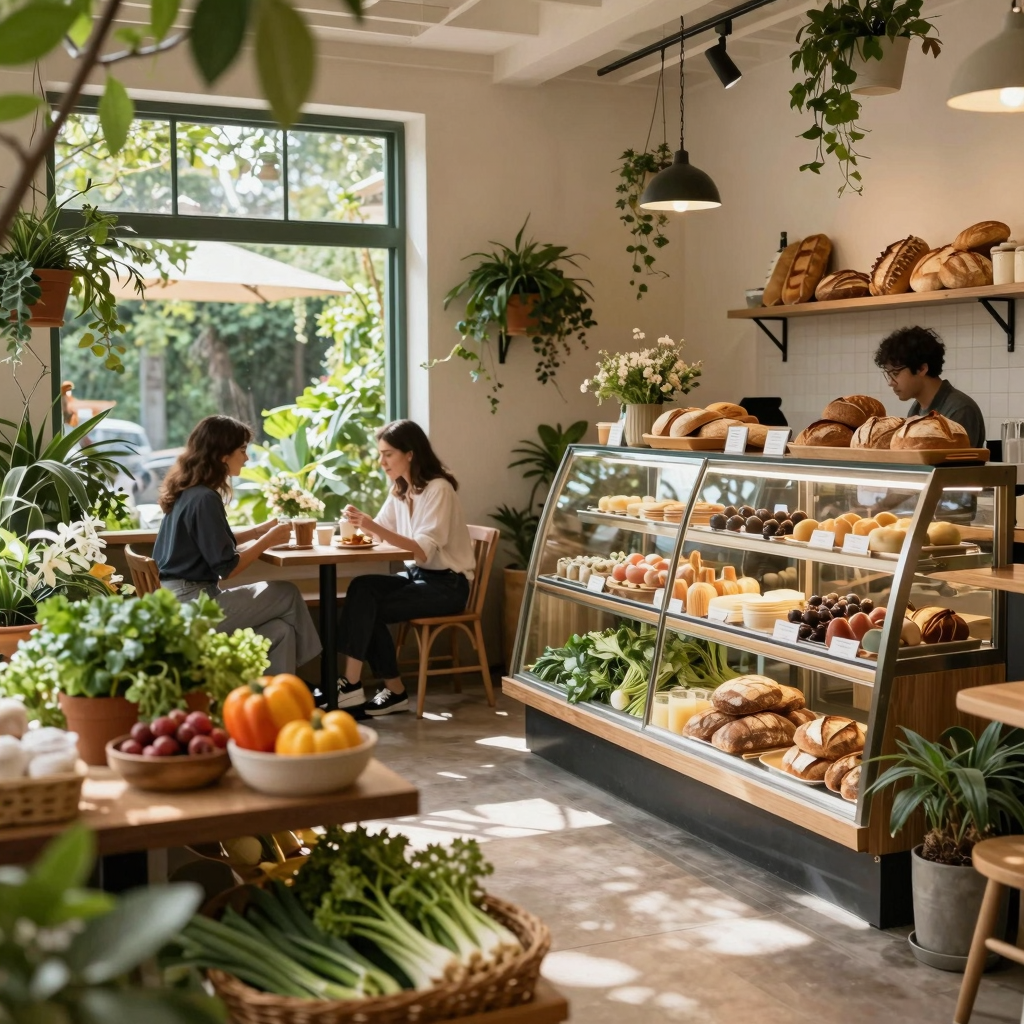
In recent years, the landscape of culinary innovation has witnessed a growing trend that is captivating both food enthusiasts and business owners alike: the garden bakery and cafe. These unique establishments, which combine fresh ingredients grown on-site with artisanal baking, are not just a food trend-they are reshaping the way we think about cafes and bakeries. As more consumers seek authentic and immersive dining experiences, garden bakeries and cafes emerge as essential spaces for innovation. For business owners, this represents a brilliant opportunity to engage their community with locally sourced products while creating a serene, inviting atmosphere that draws customers in. By investing in a garden bakery and cafe, entrepreneurs are not only tapping into a lucrative market but also fostering sustainability and wellness within their communities. Discover the potential that lies within creating a garden bakery and cafe as we explore best practices and success stories throughout this article. To get inspired, learn more about establishing a garden bakery and see how it can elevate your business.
Best Practices in Garden Bakery Operations
Running a successful garden bakery and cafe involves a blend of sustainable practices, strategic menu development, and a focus on customer experience. Here are key insights to help business owners thrive in this niche.
Sustainable Practices
Adopting sustainable practices is crucial in reducing operational costs and increasing customer loyalty. Here are some recommended strategies:
- Local Sourcing: Utilize seasonal, locally grown ingredients to minimize your carbon footprint and support local farmers. This should also reflect in your menu, promoting freshness and quality.
- Water Management: Implement closed-loop water systems for irrigation and cleaning processes. This not only conserves water but also reduces utility costs over time.
- Composting and Recycling: Employ compostable packaging and recycle waste materials whenever possible. Innovative bakeries repurpose day-old bread into croutons or breadcrumbs, contributing to waste reduction and sustainability.
Menu Development
Effective menu development can significantly enhance profitability. Consider the following:
- Seasonal Rotations: Create a rotating seasonal menu based on real-time harvest data from your garden. For instance, offer unique items like rosemary sourdough in spring and pumpkin muffins in the fall.
- Feedback Integration: Regularly track sales data, ingredient costs, and customer feedback to refine your offerings. Bakeries with dynamic menus tend to enjoy higher average ticket values and stronger social media engagement.
Customer Experience
Enhancing the customer experience is paramount in cultivating loyalty and engagement:
- Authentic Experiences: Organize garden tours, hands-on baking workshops, and tasting events that engage customers and create lasting memories. According to recent surveys, 78% of customers seek authentic experiences from bakeries.
- Personalized Service: Strive to remember regular customers’ favorites and preferences. Personalized service can significantly impact customer satisfaction and encourage repeat visits.
By focusing on these best practices, bakery and cafe owners can create a sustainable, engaging, and profitable business that resonates with customers and community alike. For more insights, explore our approach to garden bakery operations and how they can transform your business.
Potential Menu Items for a Garden Bakery and Cafe
Creating a diverse and appealing menu is vital for a garden bakery and cafe. Here are some potential menu items that reflect user preferences and seasonal produce:
- Lemon Cream Cake – A light vanilla cake layered with tangy lemon curd.
- Pumpkin Spice Muffins – Seasonal delights made with real pumpkin and spice.
- Fresh Baked Brioche Bread – Perfect for breakfast sandwiches and French toast.
- Dirty Chocolate Pastry – A rich, dark chocolate filled pastry.
- Cinnamon Apple Scones – A delightful blend of spices and fresh apples.
- Spiced Pecan Coffee Cake – Ideal for coffee pairing with a crunchy topping.
- Peppermint Brownies – Winter favorites with a cooling mint flavor.
- Holiday Fruit Stollen – A rich bread filled with fruits and nuts, available in winter.
- Gingerbread Loaf – Perfectly spiced for the festive season.
- Herb-Infused Focaccia – Made with fresh herbs from the garden.
These items not only cater to tastes but also utilize seasonal ingredients. For more ideas, learn more about our specialties.
Location Selection: The Heart of Your Garden Bakery and Cafe
Establishing a successful garden bakery and cafe hinges significantly on the choice of location. The importance of location cannot be overstated, as it plays a crucial role in attracting foot traffic, ensuring accessibility, and determining your café’s competitive edge. Areas with high pedestrian traffic, such as downtown districts or busy neighborhoods, can lead to increased revenue-approximately 40% more according to studies by the National Restaurant Association. Such locations allow your bakery and cafe to benefit from spontaneous visits by passersby. Moreover, accessibility is vital; your establishment should be easy to reach by foot, car, or public transport, making it convenient for customers to indulge in your offerings. The demographic surrounding your chosen spot also matters-the proximity to schools, offices, or residential communities can help tailor your menu and marketing strategies to better align with customer preferences.
Evaluating surrounding competition is another critical aspect of the location selection process. Analyzing the density of nearby coffee shops and bakeries can give insights into market saturation and consumer behavior trends; in fact, some successful businesses have thrived even in competitive areas by crafting unique value propositions. Understanding who your competitors are and what they offer can help in positioning your garden bakery and cafe as a distinctive choice.
In conclusion, when planning your garden bakery and cafe, dedicating time and resources to research and evaluate the location will set the foundation for ongoing success and profitability. Learn more about starting your cafe and find helpful insights on our Dulce Vida Cafe.
Word Count: 261
When running a bakery or cafe, selecting the right suppliers for your ingredients and materials is critical. Here’s a comparison of five noteworthy suppliers in the bakery industry, focusing on product types, pricing, and delivery options:
| Supplier Name | Product Types | Pricing | Delivery Options |
|---|---|---|---|
| Shenzhen Lucky Crafts Technology | Cake decoration machines, donut production lines, accessory tools | Varies by product | High responsiveness; mainly North America & Western Europe |
| Professional Baguette Manufacturer | Automatic baguette production lines | Custom pricing; contact directly for quotes | Global shipping options available |
| Italian Commercial Mixer Supplier | Spiral mixers, dough mixers | $463 – $547 | Average response time < 2 hours |
| Ice Cream Truck & Oven Manufacturer | Mobile food trucks, industrial ovens | Competitive pricing | Offers domestic and international shipping |
| Spanish Bakery Furnishings | Display cabinets, bakery furniture | Varies; quality-focused | Nationwide and international delivery options |
This table shows a diverse range of suppliers that cater to various needs in the bakery and cafe industry. When choosing a supplier, consider not just pricing, but also delivery options and product variety.
For more insights on enhancing your business, feel free to explore our essentials for setting up your cafe or check out unique features of our products.
If you have any other queries or need further assistance, feel free to reach out!
The Concept of a Proper Garden Bakery and Cafe
Creating a garden bakery and cafe is more than just opening a culinary business; it’s about creating a community space that blends nature with quality food. Garden bakeries offer a unique dining experience enhanced by their environments, where customers can enjoy fresh foods amidst greenery. This setting can lead to higher customer satisfaction and prolonged visits.
Benefits of Garden Bakeries and Cafes
- Community Focus: Garden bakeries foster a sense of belonging among patrons, especially when they feature local ingredients and sustainable practices.
- Unique Ambiance: The natural surroundings often create a peaceful and relaxing atmosphere, making it a preferred spot for social gatherings.
- Sustainability: Many garden bakeries prioritize eco-friendly practices, from sourcing ingredients to using biodegradable packaging, contributing to a healthier planet.
“The Garden Bakery exemplifies how eco-conscious operations can coexist with exceptional taste and customer satisfaction. Their use of compostable packaging and zero-waste initiatives have reduced their carbon footprint by over 40% since 2022, while maintaining premium product quality.”
- Dr. Lin Wei, Industry Expert (Forbes)
Why Invest in a Garden Bakery?
As a business owner, investing in this niche can unlock significant potential. With the rise of consciousness around sustainability and health, a garden bakery can attract a loyal customer base. The ambiance of a garden setting not only enhances the dining experience but also strengthens your brand identity as a community-oriented cafe.
For more information on starting your cafe journey, check out Dulce Vida Bakery’s blog for insights and tips!
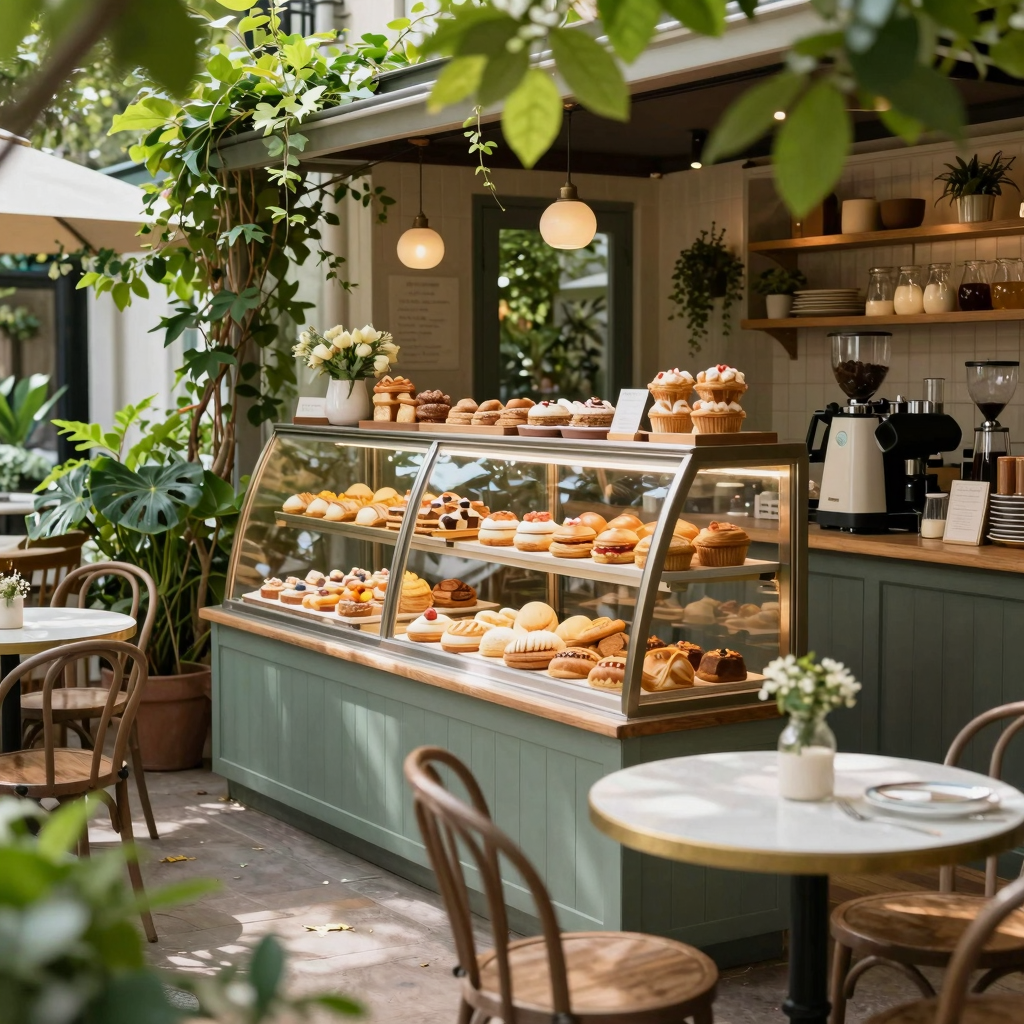
Image depicting a cozy garden bakery with outdoor seating
In summary, establishing a garden bakery and cafe presents diverse benefits that can enhance both business performance and community engagement. Not only do these establishments deliver fresh, locally sourced food, but they also contribute significantly to sustainability efforts, improving customer loyalty by fostering a unique dining experience in a natural setting. Recent data indicates that businesses adopting this model can experience up to 40% higher repeat visit rates, thanks to their inviting atmosphere and focus on wellness. A garden bakery not only creates delectable items but also serves as a community hub, fostering connections and promoting local culture. The model also has economic benefits, such as cost savings on ingredients and additional revenue through events and workshops. Don’t wait – contact us today to discuss your needs, request a quote, or learn more about how we can support your mission to protect lives and property.
Garden bakeries and cafes are at the forefront of emerging consumer preferences and market trends in the bakery industry. As we delve into 2023, several key trends are shaping how these businesses operate, catering to an evolving clientele.
Rise of Brand Consciousness and High-Quality Products
Consumers are increasingly gravitating toward brand recognition and high-quality offerings. The bakery market is witnessing a pivot towards premium and artisanal products. This shift involves consumers opting for well-known restaurants and cafes that provide superior products, boosting the appeal of garden settings where fresh and organic ingredients can be showcased. The focus on health and nutrition has become paramount, leading to a growing demand for low-sugar, whole-grain, and organic ingredients in baked goods.
Health-Conscious Choices
Health trends are critical in shaping consumer choices. Today’s diners are more aware of dietary issues, prompting a significant rise in demand for healthy items. According to recent studies, over 70% of consumers prefer fresh, health-conscious products, leading to an increased interest in gluten-free, nutrient-dense, and low-calorie options. Garden bakeries and cafes can leverage this trend by offering transparent ingredient lists and showcasing their commitment to health.
The Coffee Integration Trend
The intersection of coffee and bakery has established a strong consumer preference for pairing baked goods with high-quality coffee. This trend has been particularly potent in urban areas where independent cafes thrive. Integrating a coffee bar within a garden bakery allows for a broader product offering, encouraging customers to linger and enjoy a complete experience, thereby enhancing customer retention and overall sales.
Emphasis on Freshness
Consumers prioritize freshness above all else. The preference for made-to-order and on-site baked goods drives a significant portion of the market. A substantial percentage of purchases are now for products that are baked fresh daily, enhancing the allure of garden cafes where customers can indulge in warm pastries within a welcoming environment.
Sustainability and Eco-Friendly Practices
There is a rising expectation for sustainable practices within the food industry. Garden bakeries that prioritize eco-friendly materials, reduce waste, and incorporate locally sourced ingredients resonate well with today’s environmentally conscious clientele. This trend not only promotes better business ethics but also attracts customers who value sustainability.
Conclusion
For business owners in the garden bakery and cafe sector, aligning with these trends is crucial to stay competitive and relevant. Emphasizing quality, health, and a unique customer experience can significantly impact business outcomes. Establishments that incorporate these elements will not only appeal to a broader audience but also foster lasting relationships with their customers.
For those looking to delve deeper into how garden settings can enhance customer experience, learn more about garden bakery benefits. Additionally, integrating quality coffee offerings can further enhance consumer experience in your cafe space, check out our guide on successful cafe setups.
This analysis taps into current market dynamics and reflects a compelling narrative for emerging bakeries and cafes aiming to thrive in a competitive landscape.
Understanding Customer Demographics in Garden Bakeries and Cafes
One of the keys to success in running a garden bakery or cafe is understanding your customer demographics. Knowing who your customers are, what they prefer, and how much they are willing to spend can guide your business strategy effectively.
Customer Age Groups and Preferences
Based on recent data:
- Age Group 18-39: 39% of customers, favor innovative and visually appealing (Instagram-worthy) baked goods and coffee drinks. They are more likely to spend on experience-driven options such as ambiance, unique menu items, and social media content.
- Age Group 40-59: 40% of customers prefer traditional flavors and high-quality, wholesome ingredients. This group prioritizes health-conscious choices and values long-term benefits over trends.
Spending Habits
- Young Adults (18-39): These individuals typically spend more on experiential aspects, including premium beverages, limited-edition products, in-store events, and photogenic packaging or decor.
- Older Adults (40-59): This demographic concentrates on quality, ingredient transparency, and nutritional value, often willing to pay more for organic, low-sugar, or allergen-free options.
Key Insights from the Chart
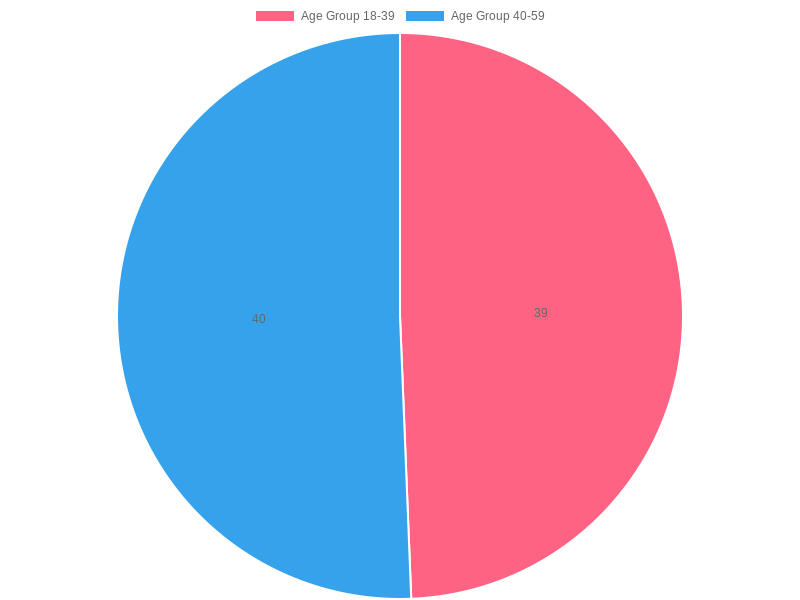
The pie chart illustrates the distribution of customers by age group, highlighting the significant engagement from both younger and middle-aged adults at garden bakeries and cafes.
For more tailored insights on how to cater to these demographics, learn more about customer preferences and optimize your product offerings.