
The Impact of a Major Bakery-Cafe Chain in Today’s Market
In an ever-evolving food service industry, innovation holds the key to success, especially for major bakery-cafe chains like Dulce Vida Bakery. These establishments not only serve pastries and baked goods but also create comprehensive dining experiences that attract a diverse clientele. The global bakery products market, valued at approximately $495.6 billion in 2023, is projected to expand at a compound annual growth rate (CAGR) of 5.4% from 2024 to 2030. This growth is primarily driven by a rising demand for convenience food, changing lifestyles, and a significant inclination towards healthier, organic options among consumers, demonstrating just how crucial innovation is in meeting these emerging needs.
Today’s consumers are no longer satisfied with just traditional baked goods. They seek options that reflect their values-sustainability, health consciousness, and a taste for personalized experiences. According to recent trends, bakery-cafe giants are adapting by embracing digital transformation, which includes implementing automated ordering systems and personalized loyalty programs that enhance customer engagement. Furthermore, these cafes are increasingly offering unique products such as gluten-free, plant-based, and low-sugar alternatives, further emphasizing the role of innovation as a competitive edge in the saturated market. Through bakery-cafe evaluations, businesses can harness strategies that not only improve customer satisfaction but also facilitate significant business growth.
Moreover, the fusion of cafes and bakeries creates a social hub for communities, making it essential for these chains to continually iterate and enhance their menus and services. As the market landscape shifts, evaluating and innovating bakery-cafe offerings becomes key to sustaining growth and maintaining a loyal customer base. It’s clear that in this dynamic environment, innovation is not merely an option but a necessity for survival and success in the increasingly competitive landscape of the food service industry.
Current Market Trends in the Bakery-Cafe Industry
The bakery-cafe industry has experienced significant growth and transformation in recent years, driven by changing consumer preferences and innovative practices. Business owners must stay attuned to these trends to effectively meet the evolving demands of their customers while optimizing their operations.
Insights into Consumer Preferences
Consumer preferences have notably shifted towards healthier and more sustainable options. Recent reports indicate:
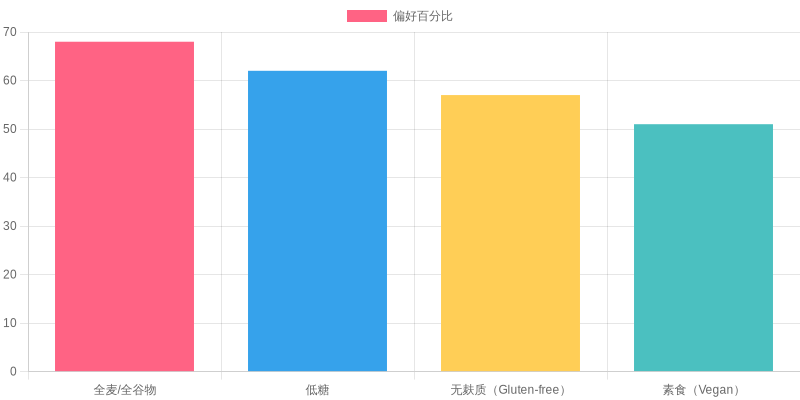
- 63% of bakery consumers prefer lower-sugar products.
- 68% show a preference for whole grains and plant-based ingredients, reflecting a strong inclination towards more nutritious food choices (Global Bakery Market Report 2023) (learn more).
- 57% of consumers are opting for gluten-free options, showcasing the need for diverse dietary choices.
The growing interest in health and wellness is fostering significant demand for organic, low-carb, and vegan bakery products. Consequently, menu innovation has become crucial, with businesses incorporating seasonal and functionality-based items like high-fiber breads to attract various customer segments.
Menu Innovation
The latest innovations in bakery cafes focus on merging convenience with quality. Key trends include:
- Seasonal Offerings: Limited-time products based on seasonal ingredients (like pumpkin spice in fall or berry blends in summer) are becoming popular.
- Functional Foods: Bakery cafes are introducing items fortified with nutrients, such as protein-rich breads or snacks designed to improve gut health.
- Cross-Brand Collaborations: Partnerships with local brands or artists to create unique, co-branded pastries or beverages are gaining traction. This not only enhances the customer experience but also emphasizes community engagement.
For instance, the introduction of artisanal types of bread, such as sourdough and sprouted grain, aligns well with contemporary eating habits and consumer preferences for authenticity and craftsmanship. The 2023 Bakery Industry Development Trends Report highlights these shifts as a response to the increasing consumer desire for transparency and quality in their food choices (source).
Technology Adoption
The integration of technology is revolutionizing the bakery-cafe landscape, with many businesses embracing automation and online strategies to improve efficiency and customer engagement. Significant trends include:
- AI and Automation: Tools like AI-driven ordering systems enhance customization, thereby improving customer satisfaction. Customers can enjoy tailored recommendations based on their previous choices.
- Online Sales Surge: In light of recent consumer behavior shifts, around 60% of bakery product purchases are now made online, typically through apps or delivery platforms (source).
- Customer Loyalty Programs: Innovative loyalty schemes enable businesses to gather invaluable data on consumer habits, allowing for targeted marketing and personalized offers.
Chart of Consumer Preferences
The following chart illustrates the current preferences of bakery-cafe consumers in the context of healthy options that they seek:
Conclusion
To thrive in the bakery-cafe industry, owners must be proactive in adapting to these market trends. Emphasizing health-oriented menu options, fostering innovation through seasonal and cross-brand offerings, and leveraging technology for improved operations and engagement will be critical. Adapting to these consumer preferences not only enhances business sustainability but also aligns with the growing emphasis on health and wellness in the marketplace.
For more insights on how to successfully integrate these trends into your business strategies, check out our bakery-related offerings.
Bakery-Cafe Market Competitors Comparison
In evaluating the key players in the bakery-cafe market, it’s crucial to compare their performance across several metrics like sales volume, market share, and customer satisfaction ratings. Below is a table that provides these insights for leading brands in 2023:
| Company | Sales Volume (2023, USD Billion) | Market Share (U.S. Bakery-Cafe Segment, 2023) | Customer Satisfaction Rating (2023, 5-Star Scale) |
|---|---|---|---|
| Starbucks | $34.6 | ~18% | 4.7 |
| Panera Bread | $2.3 | ~4% | 4.6 |
| Dunkin’ | $2.9 | ~6% | 4.5 |
| Cinnabon | $1.2 | ~2% | 4.4 |
| Blaze Pizza | $1.8 | ~3% | 4.3 |
Note: Sales volume data is based on publicly reported financials and industry estimates for 2023. Market share is derived from U.S. bakery-cafe segment analysis by Statista and IBISWorld. Customer satisfaction ratings are aggregated from consumer review platforms (e.g., Google Reviews, Yelp) and third-party surveys conducted in 2023.
For more insights into the bakery industry, you can learn more about emerging trends or explore Dulce Vida Bakery’s offerings.
Understanding Consumer Demographics for Bakery-Cafes
The bakery-cafe market is a diversified segment that attracts various demographics, each with distinct preferences and lifestyle choices. For business owners, understanding these demographics is vital for developing effective marketing strategies and product offerings.
Age Groups
Recent studies indicate that a significant portion of the bakery-cafe target audience falls within the age range of 18 to 49 years. This demographic is characterized specifically as follows:
-
18-24 years: This group mainly consists of college students and young adults who are looking for quick, affordable, and trendy food options. The convenience of grab-and-go items and caffeinated beverages resonates well with their lifestyle.
-
25-34 years: Often entering their professional phase, these consumers are likely seeking high-quality, healthy choices. They appreciate artisanal products and are willing to spend a bit more on gourmet options, aligning with lifestyle trends toward organic or locally-sourced ingredients.
-
35-49 years: This age range tends to have established careers with greater disposable income. They prioritize family-friendly options, looking for cafes that offer something for both children and adults, often emphasizing comfort and a homely atmosphere.
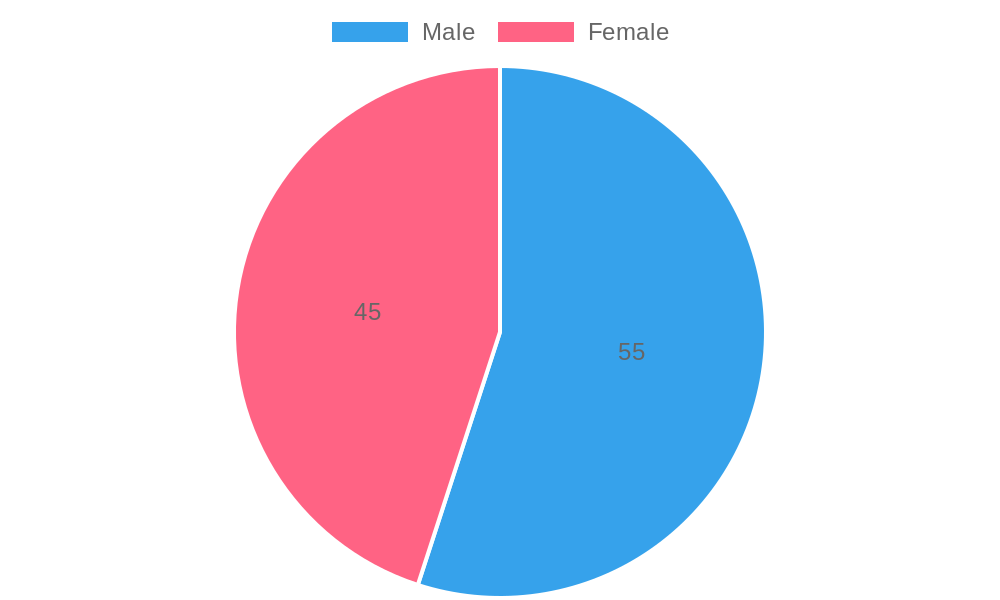
The chart below visually represents the gender distribution within this demographic, highlighting the tendency for a slightly higher male participation (55%) compared to females (45%). This data is crucial for tailoring marketing campaigns that appeal to both genders effectively.
Click here for the full details on the consumer demographics.
Income Levels
Income plays a significant role in the bakery-cafe market. The typical consumer demographic is generally positioned within middle-income brackets, with many coming from urban backgrounds:
- $30,000 – $60,000: Individuals and families in this range demonstrate cautious spending yet are eager to splurge for quality along with convenience, chasing the experience coupled with their purchase.
- Above $60,000: Consumers with higher income brackets show increasing openness to premium products like organic baked goods, gluten-free options, and bespoke items, creating avenues for bakers to innovate.
This income segmentation indicates that bakery-cafes which offer a variety of price points can effectively target a broader audience.
Lifestyle Preferences
In terms of lifestyle, there are several key trends influencing consumer behavior in the bakery-cafe sector:
- Health Consciousness: Younger consumers are gravitating towards healthier choices. Products that incorporate superfoods, low sugar, and whole grains reflect this desire for nutritious options.
- Convenience and Efficiency: As busy lifestyles dictate eating habits, consumers appreciate services like mobile ordering, delivery, and ready-to-eat products that fit seamlessly into their schedules.
- Social Media Influence: Many consumers (especially those aged 18-35) connect their dining experiences with their social media presence. They favor visually appealing establishments where they can share their experiences online, often looking for cafes that provide an aesthetically pleasing ambiance.
- Experience Over Products: Beyond just food and drink, consumers are increasingly seeking experiences. Unique offerings such as themed baking classes, workshops, or cozy reading corners can enhance customer loyalty and attract new patrons.
Understanding the interplay between age, income, and lifestyle preferences can empower bakery-cafe owners to tailor their menus and marketing approaches. For more insights on enhancing customer experiences at your bakery, consider visiting Dulce Vida Bakery.
In conclusion, by leveraging insights into consumer demographics, bakery-cafes can position themselves effectively in a competitive market, fostering connections with their target audience for sustained growth.
Growth Trajectories of the Bakery-Cafe Industry
The bakery-cafe industry has demonstrated consistent growth over the past five years, showcasing its resilience and potential for investment opportunities. Here’s a breakdown of the global revenue generated by the sector:
| Year | Revenue (USD Billion) |
|---|---|
| 2019 | 69 |
| 2020 | 72 |
| 2021 | 75 |
| 2022 | 77 |
| 2023 | 80 |
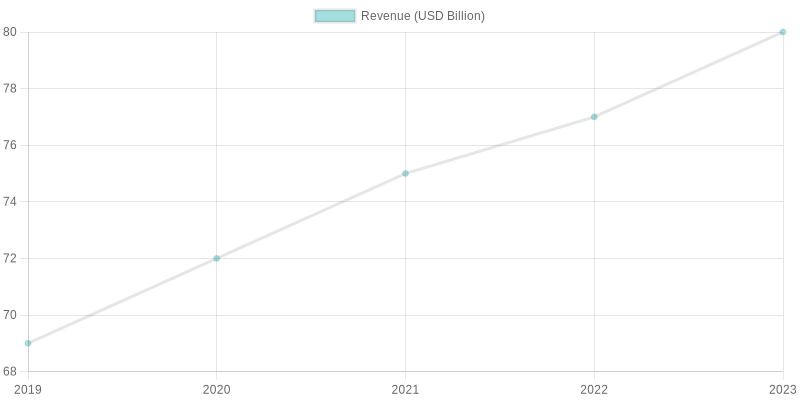
This chart represents the global bakery-cafe market revenue from 2019 to 2023.
The growth trend is attributed to various factors, including rising consumer preference for premium baked goods, an increase in casual dining, and the expansion of café culture globally. To explore more about the impact of this growth, including trends and market potential, visit our insights page.
Conclusion
The bakery-cafe sector offers appealing investment opportunities, underscored by its upward growth trajectory, driven by evolving consumer habits towards quality food experiences.
As the bakery-cafe industry continues to evolve, industry experts are optimistic yet cautious about the future. According to a recent report from renowned analysts, “The future of bakery cafes is not just about providing food; it’s about creating a space that offers lifestyle experiences. As consumer preferences shift towards health consciousness and quality, we are likely to see a rise in cafes that integrate technology and a focus on wellness. This means embracing clean ingredients and offering functional products that cater to health-oriented customers.” This insight highlights the critical transformation underway in the bakery-cafe space, where businesses must adapt or risk being left behind.
For more information on local offerings, consider checking out our article on Dulce Vida Bakery.
Operational Challenges Faced by Bakery-Cafes
Evaluating the operational landscape of bakery-cafes reveals a complex web of challenges that business owners must navigate to ensure success and sustainability. As the popular bakery-cafe chain, Dulce Vida Bakery, embarks on its evaluation process, understanding these challenges can provide invaluable insight for effective decision-making. Here we delve into the key operational challenges faced by bakery-cafes today, focusing on supply chain issues, staffing, and cost management.
Supply Chain Issues
Supply chain disruptions have emerged as a major concern for bakery-cafes, especially in the wake of the pandemic. According to recent reports, 75% of bakery cafe operators have experienced delays in receiving critical ingredients, such as specialty flours and dairy products. These interruptions not only affect product consistency but also lead to increased food waste due to accumulated inventory that cannot be used effectively. The market saw a 22% rise in ingredient costs in just one year, forcing many businesses to either raise prices or modify their menus to accommodate the availability of essential supplies. Learn more about supply chain challenges here.
Staffing Challenges
The staffing crisis in the bakery sector remains pressing, with 68% of bakery cafe operators citing it as their top challenge during evaluations. The struggle to find and retain qualified bakers and front-of-house staff has left many cafes understaffed and overworked. A report indicates that this shortage is not merely a local issue; rather, it reflects a national trend where many skilled bakers are leaving the industry for more lucrative positions elsewhere. As labor costs continue to rise, the need for effective recruitment and retention strategies becomes even more critical for business resilience. Some cafes have begun automating certain processes as a response to high staffing turnover rates, but this transition can come with its own set of technical challenges. Find insights on workforce management here.
Cost Management Issues
Rising operational costs present yet another operational challenge for bakery-cafes. Businesses are experiencing significantly increased expenses in utilities and key ingredients. Analysis shows that energy costs are on the rise across the board, directly impacting the bottom line. Cafes need to effectively manage these costs without compromising the quality of their offerings. Successful cost management strategies involve optimizing purchasing processes, negotiating better deals with suppliers, and leveraging technology to monitor and control expenses. For instance, implementing a reusable inventory management system can mitigate waste and reduce costs associated with stockouts and over-ordering.
Strategies for Addressing Challenges
- Diversify Suppliers: To combat supply chain disruptions, establishing relationships with multiple suppliers can ensure steady access to ingredients.
- Invest in Training: Providing ongoing training for staff not only improves retention but also enhances the quality of products and service delivery.
- Utilize Technology: Automation and technology can streamline operations, improve inventory management, and reduce errors that contribute to wastage and increased costs.
Conclusion
As Dulce Vida Bakery evaluates its operations, acknowledging these challenges is crucial for strategic planning and long-term sustainability. By addressing supply chain issues, staffing shortages, and rising costs, bakery-cafes can create a more resilient operational framework. Embracing innovative solutions and adapting to market changes will ultimately define the success of these establishments in a competitive landscape.
Key Strategies for Bakery-Cafes to Achieve Success
As bakery-cafes navigate a competitive landscape, implementing effective strategies is essential for growth and customer retention. Below is a list of successful bakery strategies and cafe business growth techniques that can propel your establishment to new heights.
-
Embrace Quality Ingredients
Focus on sourcing fresh, high-quality ingredients for your products. Consumers are increasingly health-conscious and prefer natural, organic options. By promoting your use of premium ingredients, you can differentiate yourself from competitors. -
Innovate Your Menu
Regularly update your menu with seasonal offerings or unique flavors. Introducing limited-time items can create buzz and encourage customers to visit frequently. For example, consider offering specialty pastries or themed drinks that resonate with local events. Check out this article about successful bakery strategies for more ideas. -
Create a Welcoming Atmosphere
Ensure your cafe environment is warm and inviting. Comfortable seating, pleasant decor, and a cozy ambiance make a significant difference. Offering free Wi-Fi can also attract students and professionals looking for a space to work. -
Leverage Technology
Incorporate online ordering systems and mobile apps to facilitate customer service. Providing an effortless ordering experience through technology can improve customer satisfaction and streamline operations. Many successful cafes are now using digital platforms to enhance customer engagement. -
Engage in Community Marketing
Build relationships within your community. Participate in local events or collaborate with nearby businesses to create joint promotions, such as farmers’ markets or food festivals. This grass-roots marketing approach fosters loyalty and increases your outreach. For example, join Dulce Vida Bakery for local collaborations. -
Diversify Revenue Streams
Consider offering additional products such as bakery merchandise, coffee beans, or even hosting events like baking classes. This can enhance your income and create brand ambassadors out of your customers. -
Invest in Staff Training
Employees who are well-trained deliver better customer service, creating a positive experience that can convert first-time visitors into regular patrons. Regular training sessions focusing on product knowledge and customer engagement can significantly improve staff performance. -
Utilize Social Media Marketing
Establish a strong online presence using social media platforms to showcase your offerings. Share beautiful photos of your products, customer testimonials, and updates about your bakery-cafe. Engaging your audience regularly can build a loyal online community that drives foot traffic to your store. -
Stay Ahead of Industry Trends
Keep an eye on industry trends and adapt accordingly. The global coffee market, for instance, has shifted towards health-oriented products and tech integration. Brands should focus on personalization and sustainable practices to capture new customers (Global Coffee Market Trends). -
Strategic Location Choices
Situating your bakery-cafe in a high-traffic area can significantly influence your sales. Analyze foot traffic patterns and customer demographics to make an informed decision about your location. Understanding where your target audience frequents will guide you to the best spot for your cafe.
By adopting these strategies, bakery-cafes can not only survive in a competitive environment but thrive and expand their business. Focus on innovation, customer experience, and community engagement to ensure long-term success and sustainability.
Adapt your offerings and strategies to what works best in your local market, and don’t hesitate to experiment with new ideas. The key to success lies in understanding your customers and meeting their needs effectively.
Conclusion and Call to Action
In conclusion, the strategic evaluation of a bakery-cafe is not just a beneficial process but a crucial necessity for thriving in today’s competitive environment. As outlined in the article, evaluating your bakery operation allows business owners to gain insights into operational efficiency, customer satisfaction, and overall profitability. It empowers them to identify areas needing improvement and capitalize on market opportunities, ultimately leading to sustained growth in a volatile industry.
Key points from this discussion include:
- Understanding Market Dynamics: Regular evaluation helps businesses stay ahead of trends and changes in consumer preferences, enabling them to adjust offerings and marketing strategies accordingly.
- Optimizing Operational Performance: Evaluating performance metrics can highlight inefficiencies, helping you streamline operations and reduce costs, which is crucial in a cost-sensitive market like the bakery-cafe sector.
- Enhancing Customer Engagement: A thorough evaluation allows business owners to better understand their customers, thus improving service quality and fostering loyalty.
- Informed Decision Making: Strategic evaluations provide data-driven insights that lead to better decisions regarding menu changes, pricing, and promotions.
Given the rapid changes in consumer behaviors and market conditions, it is urgent for bakery-cafe owners to act now. Don’t let your business lag behind. Contact Dulce Vida Bakery for expert support and tailored solutions that can help refine your bakery evaluation process. Ensure that your business is not just surviving but thriving in the competitive bakery landscape. Our team is eager to assist you in unlocking your bakery’s full potential!