
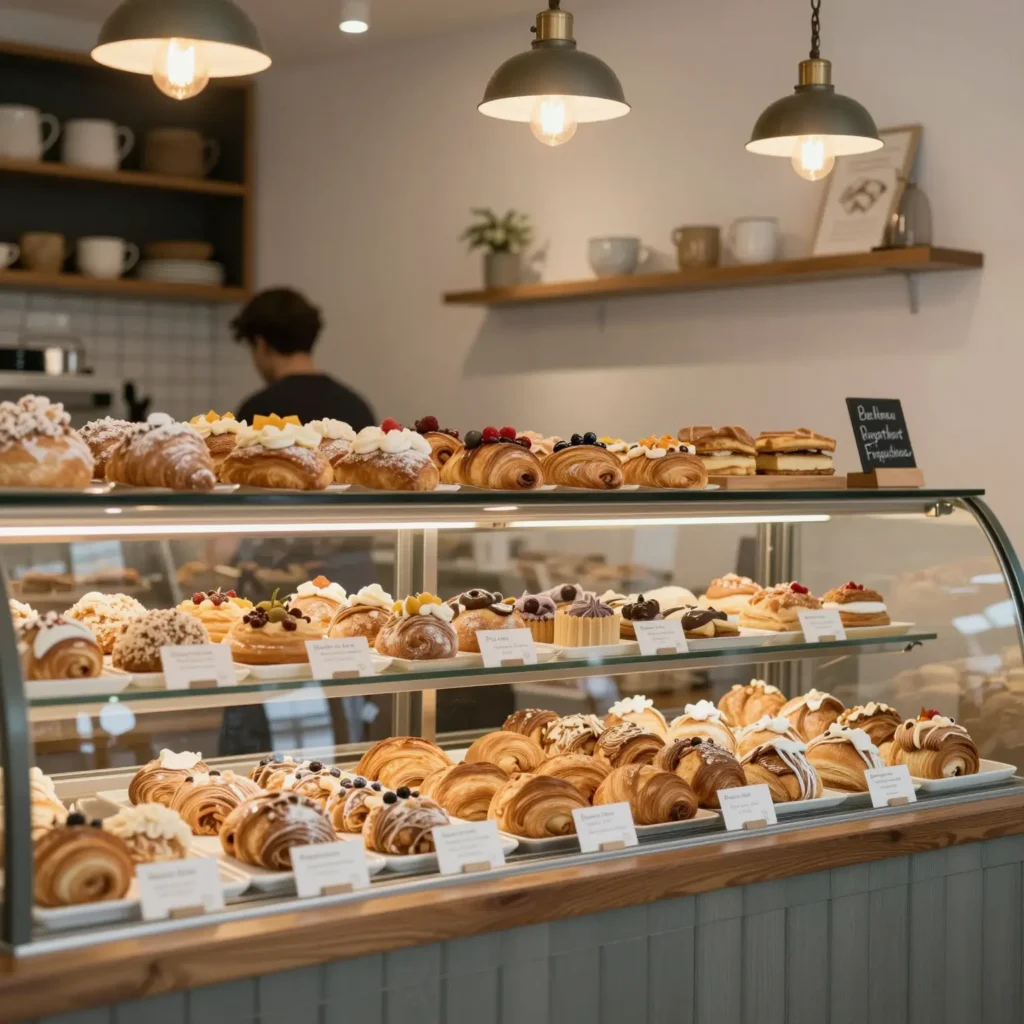
Introduction to Starting Your Own Restaurant or Cafe Bakery
Starting your own restaurant or cafe bakery is a thrilling venture that promises creativity and the potential for great rewards. However, beneath the surface lies a world of challenges that can turn your dreams into a formidable uphill battle. Whether you’re passionate about baking delectable pastries or crafting memorable meals, the journey requires meticulous planning and unwavering commitment. Balancing artistic expression with the practicalities of running a business is a delicate act, often filled with long hours and hard decisions.
From navigating health regulations and ensuring food quality to managing relationships with suppliers and creating an inviting atmosphere, the path to success can be laden with obstacles. As highlighted in ZenBusiness, the long hours and early starts are just the tip of the iceberg. Founders often grapple with maintaining a work/life balance while striving to establish a brand that resonates with their community.
Yet, the rewards are equally enticing. The joy of watching customers delight in your creations and the fulfillment of seeing your vision come to life can overshadow the challenges. In fact, many successful bakers emphasize the importance of a solid business plan to navigate these hurdles as discussed on Toast. With the right plan, you can turn your culinary passion into a thriving business that brings smiles and satisfaction.
In this article, we will explore the intricate steps to launching your own restaurant or cafe bakery, highlighting essential tips for overcoming obstacles while enjoying the sweet rewards of your hard work.
Essential Steps for Starting a Restaurant or Cafe Bakery
Starting a restaurant or cafe bakery can be a rewarding yet challenging venture. Here is a comprehensive guide covering the essential steps required to establish your food business:
1. Conduct Market Research
- Identify Your Target Audience: Determine who your ideal customers are, including age, preferences, and consumer behavior.
- Analyze Competitors: Look into existing businesses in your area and evaluate what they offer. Consider unique selling points that can set you apart.
- Understand Trends: Stay informed about current food trends and customer preferences. Consulting resources like Startup Biz Hub can provide insights.
2. Create a Business Plan
- Outline Your Concept: Describe what makes your cafe bakery unique, including your menu items, ambiance, and branding.
- Establish Financial Projections: Plan your budget covering startup costs, operational expenses, and expected revenue.
- Plan for Marketing: Develop marketing strategies that will help you attract customers and communicate your brand effectively.
3. Choose a Location
- Determine the Right Area: Look for locations with high foot traffic, visibility, and accessibility. Consider how the demographic of the area aligns with your target audience.
- Evaluate Rental Costs: Compare various locations and their rental fees to ensure they fit within your budget.
4. Register Your Business
- Choose a Business Structure: Decide whether you want to form an LLC, partnership, or sole proprietorship.
- Obtain Necessary Licenses and Permits: Check for local regulations, health permits, and business licenses. This may include food safety certifications and liquor licenses if applicable.
5. Set Up Your Operations
- Design Your Space: Plan the layout of your cafe bakery for optimal customer experience and workflow efficiency.
- Purchase Equipment: Invest in kitchen equipment, furniture, and technology essentials like POS systems.
- Source Ingredients: Identify reliable suppliers for your bakery items to ensure quality and consistency.
6. Hire Staff
- Recruit Qualified Personnel: Hire chefs, bakers, servers, and other staff to help run your operations smoothly.
- Provide Training: Ensure your team understands your vision and is trained in customer service and food safety best practices.
7. Develop Your Menu
- Create a Diverse Offerings: Ensure your menu caters to varied preferences, including vegan, gluten-free options as well as trending items like artisanal breads and pastries.
- Conduct Taste Tests: Involve friends, family, or focus groups to refine your recipes.
8. Launch Your Marketing Campaign
- Build an Online Presence: Create a website with your menu, location, and contact information. Utilize social media marketing to engage potential customers.
- Host a Grand Opening: Plan a launch event with promotions to attract the local community. You can refer to strategies detailed in guides like Osum.
9. Monitor and Adapt
- Gather Feedback: Always seek customer feedback to improve your offerings and service.
- Adjust Operations: Be open to making necessary changes based on sales data and customer preferences.
Startup Costs Overview
To give a clear view of financial planning, the following graph illustrates the typical startup costs for various types of food businesses:
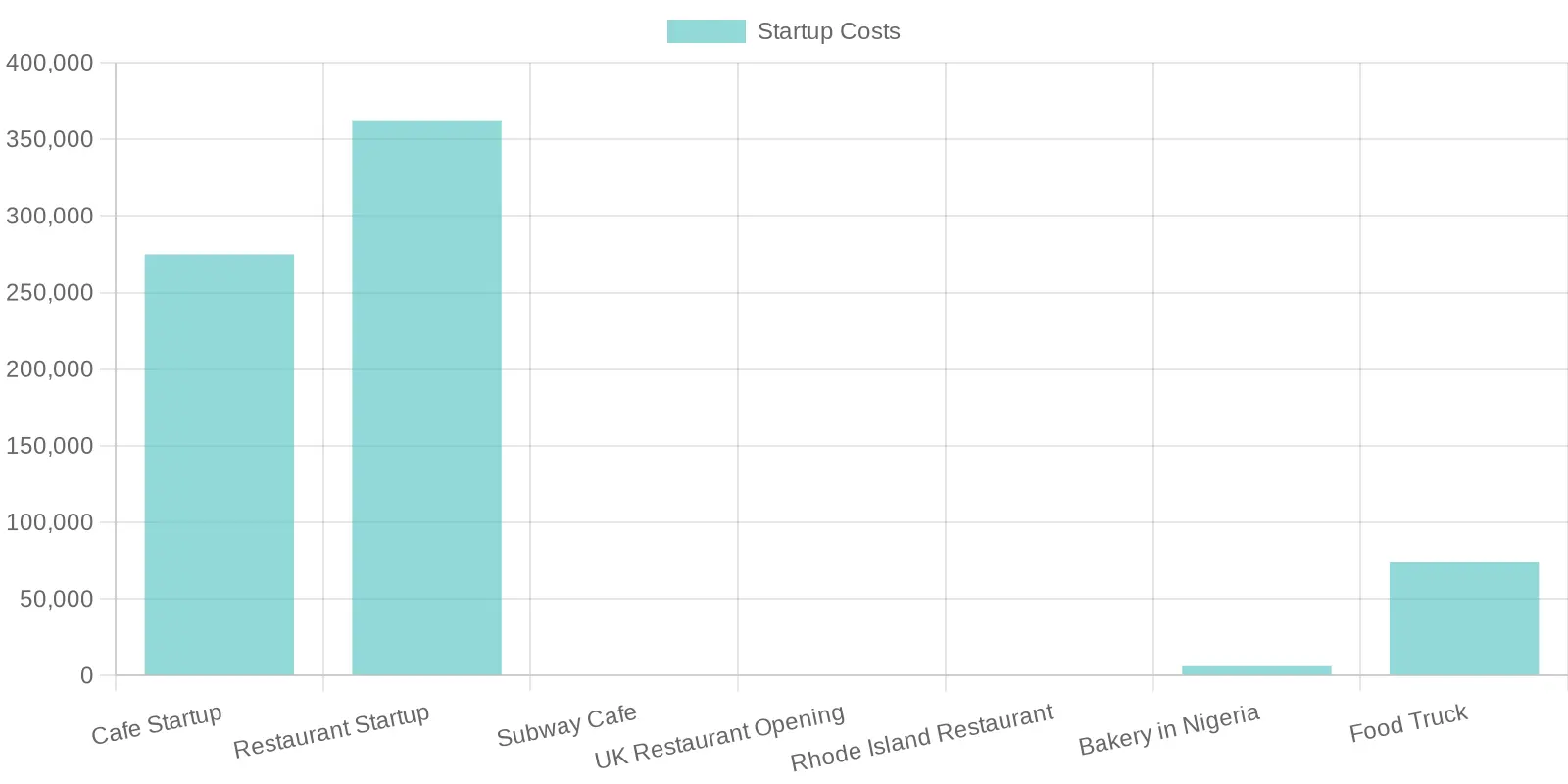
- Cafe Startup: $50,000 – $500,000
- Restaurant Startup: $275,000 – $450,000
- Bakery in Nigeria: $1,250 – $10,000
For a detailed breakdown of initial expenses, visit Food Truck Empire.
Conclusion
Starting your own restaurant or cafe bakery takes careful planning and research. By following these steps and continually adapting to the market, you can build a successful business that resonates with your community.
The Importance of Market Research in Starting a Restaurant or Cafe Bakery
Starting a restaurant or cafe bakery is an exciting venture, but it comes with its fair share of challenges. One of the critical steps in establishing a successful restaurant is conducting thorough market research. This process provides invaluable insights that can influence every aspect of your business, from menu development to marketing strategies.
Understanding the Target Market
Market research enables entrepreneurs to identify their target demographics – understanding who their potential customers are, what they like, and how much they are willing to spend. By recognizing these factors, you can tailor your offerings to meet the needs and preferences of your audience. For example, if your research indicates a demand for gluten-free options, you can adjust your menu accordingly.
Identifying Trends
The culinary landscape is ever-evolving. By engaging in market research, restaurant owners can spot emerging trends in food and dining. This information may include shifts in dietary preferences or popular food styles, such as plant-based eating or ethnic cuisine. Staying ahead of these trends can set your restaurant apart from competitors and keep customers intrigued.
Competitive Analysis
Knowledge is power, especially when it comes to understanding your competitors. Conducting a competitive analysis will allow you to dissect your rivals’ strengths and weaknesses, helping you position your business strategically. For instance, if you notice a nearby cafe that excels in customer service, you can work on enhancing your own service to attract customers looking for a superior experience.
Location Selection
Selecting the right location is one of the most crucial decisions for any new restaurant. Market research provides insights into foot traffic, demographics, and local competition, allowing you to choose a location where your target audience is likely to frequent. This data-driven approach increases your chances of success right from the start.
Financial Planning
Accurate market research is also essential for financial forecasting. Knowing your target market allows you to project sales and expenses more accurately, helping you manage startup costs and secure funding. Investors and financial institutions often require detailed research to understand the potential return on investment before providing capital.
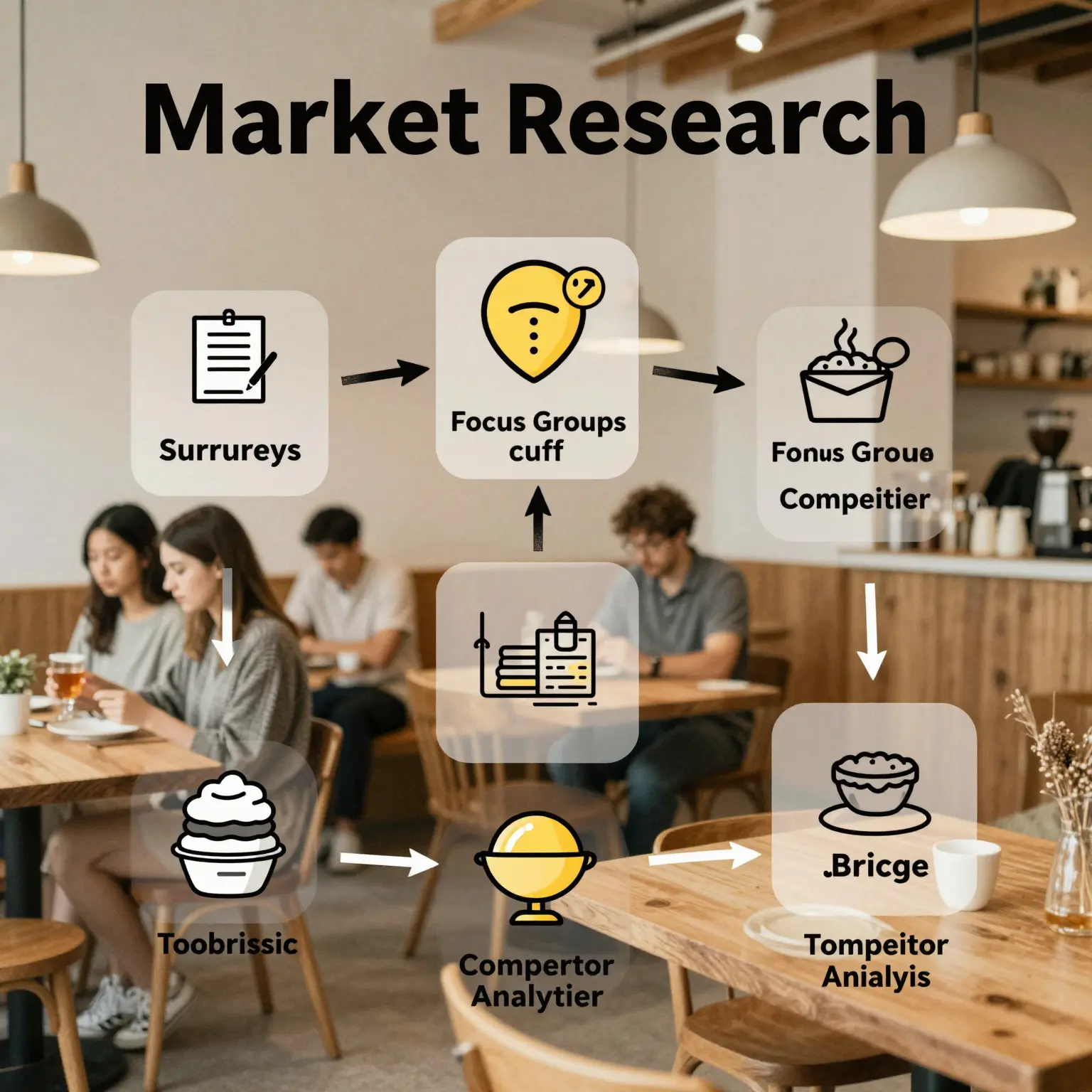
Methods of Market Research
- Surveys: Online surveys or in-person questionnaires can offer direct feedback from potential customers, providing insights into their preferences.
- Focus Groups: Gathering a small, diverse group of consumers to discuss their thought processes regarding your concept can yield qualitative insights that surveys may miss.
- Competitor Analysis Tools: Using specialized tools or platforms can help track competitors, analyze their offerings, and gauge customer feedback on social media.
- Food Taste Testing: Organizing taste testing events can give you immediate feedback on menu items and allow you to make necessary adjustments before launching.
In conclusion, market research not only assists in understanding the landscape in which you will operate but also provides the data needed to make informed decisions at every stage of your business. To dive deeper into specific market research methods, you can explore resources like 5 Market Research Techniques and taste testing strategies.
Common Local Regulations and Licensing Requirements for New Restaurants and Cafes
Starting your own restaurant or bakery can be a fulfilling venture, but it comes with a series of regulations and licensing requirements that you must adhere to in order to operate legally and safely. Below, we summarize the most important considerations that new food business owners should keep in mind.
1. Business Licensing
Before you even think about serving that first customer, you need to secure the necessary business licenses. Depending on your location, this could include:
- General Business License: Often required by state or local authorities to legally operate.
- Food Service License: Required for businesses that prepare and sell food.
- Special Permits: Depending on your menu, you might need additional permits for things like alcohol sales or outdoor seating.
Learn more about general licensing requirements
2. Health Regulations
Health and safety standards are crucial in the food industry. You must comply with:
- Health Inspections: Local health departments will conduct inspections on food safety protocols and sanitary conditions.
- Food Safety Training: Staff must be trained in food handling practices to reduce risks of foodborne illnesses.
For more insights, check out resources regarding health department restaurant rules.
3. Zoning Requirements
Zoning laws vary widely and can impact where you can set up shop. Key points include:
- Permissible Activities: Zoning laws will dictate what businesses can operate in specific areas. Ensure you’re in a zone that allows food service.
- Distance Regulations: Some areas have laws regarding how close restaurants can be to schools and other establishments.
For a comprehensive overview, see what you need to know about zoning laws for small businesses.
4. Fire and Safety Codes
Local fire codes will require certain precautions, including:
- Sprinkler System: Depending on your establishment’s size, you may need fire suppression systems installed.
- Emergency Exits: Clearly marked exits are mandatory for ensuring customer safety during emergencies.
5. Signage Regulations
Local regulations may govern how and where you can display your signage. This can include:
- Size Restrictions: Limits on how large your business signs can be.
- Lighting Regulations: Permission may be needed for illuminated signs.
In Conclusion
Navigating the maze of regulations and licensing can be daunting, but understanding each requirement is crucial for running a successful food business. Before diving in, consider consulting with a local business advisor to help streamline this process. For inspiration and ideas as you commence your journey in the food industry, you might want to check out local favorites like Dulce Vida Bakery or Dulce Vida Café.
Staying informed about local regulations will not only safeguard your business but ensure you deliver a safe and enjoyable experience for your customers.
Remember, each region may have different factors to consider, so it’s essential to do thorough research for your specific locality.
Comparing Business Models for Cafes and Bakeries
When venturing into the cafe and bakery industry, understanding different business models is crucial for success. Below is a comparative overview of various models, focusing on key aspects like dining options, pricing strategies, and service styles.
| Business Model | Description | Pros | Cons |
|---|---|---|---|
| Dine-In | Customers eat on-site, often with a full menu and table service. | – Enhances customer experience |
- Higher average ticket per sale | – Higher overhead costs
- Staff management needed |
| Takeout | Focus on food that can be ordered and picked up by customers. | – Lower operational costs - Flexibility in menu selection | – Potentially lower prices
- Less consumer interaction |
| Fast-Casual | A relaxed dining style combining fast food and casual dining experience. | – Affordable pricing - Speedy service | – Competition with fast-food chains |
| Gourmet | High-quality, often handcrafted food with a focus on unique ingredients. | – High profit margins - Attracts foodies | – Limited customer base
- Requires premium pricing |
| Pop-Up | Temporary setups to test markets or launch specific products. | – Low build-out costs - High consumer interest | – Uncertain sales
- Short-term commitment |
| Delivery | Focus on online orders, delivering food directly to customers’ doors. | – Convenience for customers - Access to broader audience | – Delivery logistics & costs
- Quality control issues |
Key Considerations:
- Pricing Strategies: Tailor pricing strategies to reflect the business model and customer expectations. Learn more about pricing strategies here.
- Service Styles: Experiment with different service styles (like gourmet vs. fast-casual) to find what resonates with your target market. Check examples of successful models here.
Deciding which model to adopt should align with your overall vision, target audience, and operational capabilities. Each model offers distinct advantages and challenges that can influence your cafe or bakery’s success.
The Importance of Menu Development
Menu development is a critical component of running a successful restaurant or café bakery. A well-thought-out menu not only reflects your brand identity but also influences customers’ dining experiences and overall satisfaction. By developing a unique menu, restaurant owners can set themselves apart from competitors and cultivate a loyal customer base.
Key Reasons Menu Development is Crucial:
- Customer Attraction: An appealing menu can attract new customers. Unique offerings often entice patrons to try out a restaurant they may not have considered otherwise.
- Brand Identity: Your menu is a reflection of your establishment’s theme and cuisine philosophy. A consistent theme throughout the menu helps reinforce your brand in the minds of consumers.
- Profitability: A well-crafted menu can significantly influence your restaurant’s bottom line. Menu design directly affects customer choices, which in turn impacts sales and profit margins.
Tips for Creating a Unique Menu
To create a memorable and distinctive menu that balances cost and quality, consider the following strategies:
-
Know Your Target Audience
Understanding who your customers are can guide menu creation. Analyze their preferences, dining habits, and spending power to determine suitable menu items. You can also incorporate local flavors and seasonal ingredients that resonate with your customer base. -
Seasonal Varieties
Rotating seasonal items can create excitement and keep your menu fresh. Incorporating seasonal ingredients not only supports local farmers but also reduces costs, as these ingredients are often cheaper when in season. -
Balance Cost with Quality
Utilizing high-quality ingredients contributes to exceptional dishes. However, to maintain profitability, focus on optimizing ingredient sourcing and meal preparation. Streamlining operations while ensuring quality can greatly impact your restaurant’s success. Research how to balance food quality with operational costs to achieve an effective menu design. -
Streamlined Offerings
A smaller, well-crafted menu can often be more effective than an extensive one. This strategy allows for a focus on quality rather than quantity, helping to maintain a high standard while also simplifying inventory management. -
Highlight Unique Items
Make sure to showcase items that are exclusive to your restaurant. These could be signature dishes or culinary creations that cannot be found elsewhere. Such unique offerings can create a strong brand identity and enhance customer loyalty. -
Incorporate Feedback
Regularly revisiting your menu and asking for feedback from guests can offer valuable insights. Tweak and refine offerings based on customer responses to keep your menu aligned with their expectations and preferences. -
Monitor Trends
Stay updated with the latest restaurant menu trends. For instance, personalization and flexibility in menu offerings have been shown to cater to evolving consumer preferences, as outlined by restaurant trends in 2026. Embracing change can keep your menu relevant and appealing.
Conclusion
Effective menu development can essentially define the success of your restaurant or café bakery. By balancing cost with quality and creating unique offerings, you increase your chances of capturing your target audience’s attention and maintaining their patronage in the long run. By implementing thoughtful strategies in menu design, you can enhance customer satisfaction while bolstering your bottom line.

Effective Marketing Strategies for New Restaurants and Cafes
Starting a new restaurant or cafe can be an exciting venture, but distinguishing your establishment in a saturated market requires effective marketing strategies. Below, we explore some revolutionary marketing tactics that can help new eateries thrive and attract a loyal customer base.
1. Social Media Marketing
With over 3.6 billion people using social media worldwide, developing a strong online presence is crucial for any new restaurant or cafe. Here are some effective approaches:
- Platform Selection: Utilize visual platforms such as Instagram and TikTok, where food photography thrives. Create mouth-watering posts that showcase dishes, behind-the-scenes kitchen action, or customer experiences.
- Engagement Strategy: Regularly interact with your audience by responding to comments, conducting polls, and encouraging user-generated content. This cultivation of community fosters customer loyalty and encourages repeat visits.
- Promotional Campaigns: Consider special campaigns, such as offering discounts for customers who share their experiences online or hosting a giveaway on platforms to increase visibility.
For deeper insight on social media trends impacting restaurants, check out Social Media Marketing for Restaurants in the Age of COVID-19.
2. Local Advertising
While digital marketing is essential, local advertising is equally important for new eateries to gain a foothold in the community. Effective local marketing strategies include:
- Community Engagement: Participate in local events like food festivals or farmers’ markets to showcase your offerings and directly connect with potential customers.
- Flyers and Posters: Consider distributing flyers and placing posters in community centers, gyms, or schools to inform locals about your new venue and any opening promotions.
- Local Influencers: Partnering with local food bloggers or influencers can help spread the word about your restaurant. A favorable review can significantly impact your reputation and draw in new patrons.
3. Thematic Events and Promotions
Organizing themed events or menu specials can create buzz around your restaurant. This can include:
- Seasonal Menus: Adjust your menu periodically to feature seasonal ingredients, which can attract returning customers interested in trying new dishes.
- Cultural Celebrations: Plan events around national holidays or cultural celebrations, providing limited-time offerings that draw interest and create excitement.
Hosting tempting events can effectively generate interest and foster community connections.
4. Email Marketing
Building an email list is an invaluable resource for ongoing marketing. Use email campaigns to:
- Send Updates: Keep customers informed about new menu items, special promotions, and upcoming events.
- Personalized Offers: Send personalized discounts to loyal customers based on their purchase history.
5. Search Engine Optimization (SEO)
Optimizing your website for search engines can enhance visibility:
- Geotargeting: Ensure your restaurant’s name, address, and phone number are consistent across online platforms, making it easier for locals to find you.
- Local SEO: Utilize keywords and phrases local customers might use when searching for food options nearby. This strategy will help in appearing on local search results and Google Maps.
In summary, effective marketing strategies for new restaurants and cafes can significantly impact visibility, customer engagement, and ultimately, profitability. For more insights on starting your own establishment, take a look at Dulce Vida Bakery’s journey.
Implementing a mix of social media outreach, localized tactics, and digital engagement will help position your restaurant as a community staple.
Growth Trends in the Restaurant and Cafe Industry
The restaurant and cafe industry has shown remarkable resilience and adaptability over the past few years. According to the National Restaurant Association’s report, the industry is projected to reach $997 billion in sales in 2023. This growth is driven by several factors, particularly the adoption of expanded delivery services and outdoor dining options that became mainstream during the pandemic. Additionally, the shift towards technology and automation has transformed operations in many establishments, enhancing customer experience and operational efficiencies.
Chart of Industry Growth Trends
Below is a chart that illustrates the historical sales trends in the U.S. restaurant industry from 2018 to 2023. It highlights key trends and projections that indicate opportunities for new businesses entering the market:
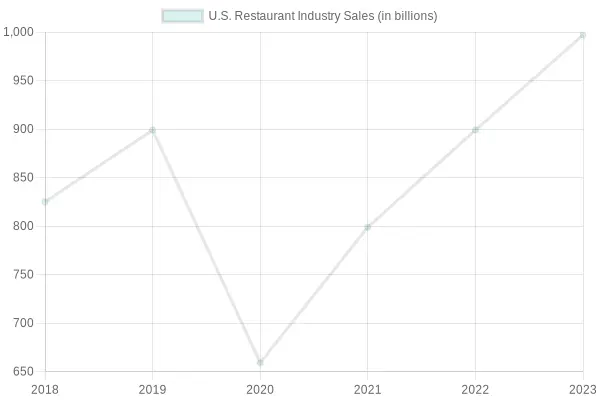
| Year | U.S. Restaurant Industry Sales (in billions) | Key Trends |
|---|---|---|
| 2018 | $825 | Continued growth in dining experiences |
| 2019 | $899 | Rise in technology adoption, delivery services |
| 2020 | $659 | Impact of COVID-19 pandemic; significant decline |
| 2021 | $799 | Recovery phase; adaptation to new dining methods |
| 2022 | $899 | Increased demand for outdoor dining |
| 2023 | $997 (projected) | Ongoing technology adoption and delivery expansion |
Key Opportunities
- Delivery Services: With the rise in demand for delivery options, starting a restaurant that offers efficient and diverse delivery services can capture this growing market segment.
- Technology Use: Embracing technological innovations, such as online ordering systems and digital marketing strategies, can significantly enhance customer engagement and service efficiency.
New business owners should take into account these trends and the evolving consumer expectations, focusing on flexibility and adaptation to find success in this dynamic market.
Conclusion and Call to Action
Starting your own restaurant or café bakery can be a fulfilling and lucrative venture when approached with the right knowledge and preparation. Throughout this article, we’ve explored essential steps such as developing a comprehensive business plan, selecting an optimal location, and understanding the critical role of marketing and branding in attracting customers.
Moreover, we emphasized the significance of understanding food safety regulations and sourcing quality ingredients, as these elements are foundational to a restaurant’s reputation. Adding a unique twist, whether it’s through innovative menu ideas or exceptional customer service, can also distinguish your establishment in a competitive market.
As you navigate the complexities of launching your business, remember that seeking expert assistance can significantly enhance your chances of success. Whether you need help crafting the perfect business plan or navigating local regulations, expert guidance can illuminate your path and help you avoid common pitfalls.
If you’re ready to embark on this exciting journey and want to leverage expert assistance to ensure a successful launch of your restaurant or café bakery, don’t hesitate to contact us. We are here to support you every step of the way, providing insights and resources that can turn your dream into a reality.
Visit our website at Dulce Vida Bakery to learn more about our services and how we can help you succeed in the culinary world!
Let’s create something sweet together!