
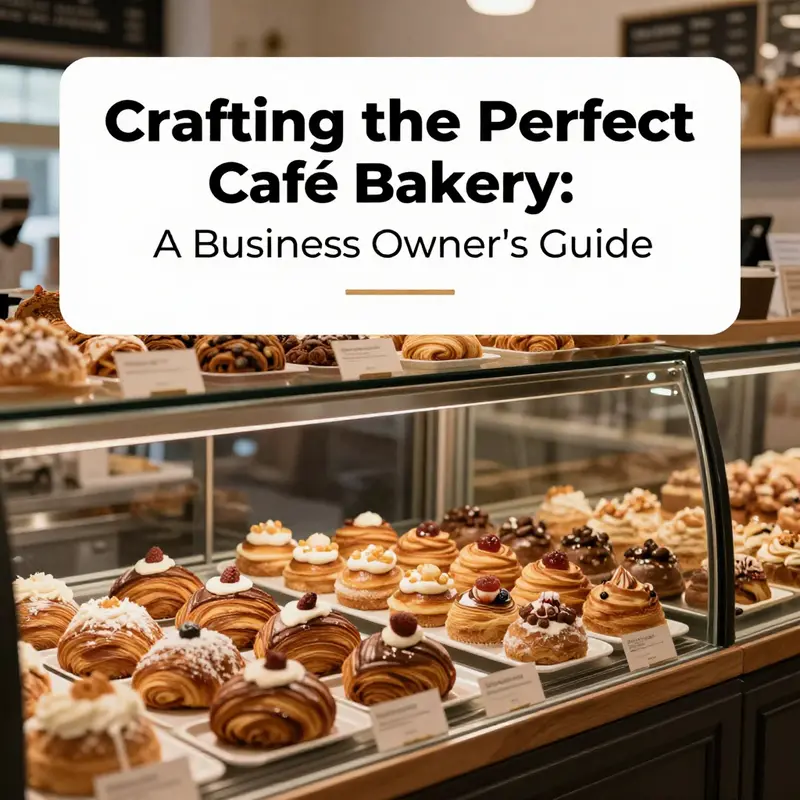
Opening your own café bakery is not simply a dream but a viable and enriching business venture. Understanding the foundational steps is crucial for aspiring business owners looking to blend baking artistry with a welcoming café environment. This guide will navigate you through the essential phases of starting your café bakery, beginning with the importance of thorough market research and effective business planning. Next, we’ll delve into choosing the right location—an aspect that can make or break your business. Finally, we will explore the legal requirements and licensing necessary to operate within compliance and establish trust with your customers. By the end of this journey, you’ll have a clearer path toward launching a successful café bakery.
Market Research as the Recipe: Charting Your Café Bakery’s Path from Insight to Plan

Market research is not a gimmick; it is the sensory base of a cafe bakery’s future. Before you sketch a menu or pick a color swatch, you need to listen to the street. Visit potential neighborhoods at morning rush, midday lulls, and early evenings to gauge foot traffic, occupancy, and the cadence of life around the corner. Observe who walks by, who sits, who buys, and who leaves. Gather clues about lifestyle, income, family patterns, and employment schedules. In these moments you start to sense the appetite for warmth, value, and consistency. Identify gaps that others overlook: perhaps artisanal sourdough is scarce, or there is a dearth of gluten-free options, or there is no comfortable space that invites people to linger with a pastry and a conversation. These gaps, when validated by conversations with residents, office workers, and students, become your opportunity to craft a precise value proposition. A strong USP is not merely a list of features; it is a promise about how your space will feel and what you will deliver that rivals the surrounding choices. You might decide to pair breads with a curated coffee program, to emphasize seasonal pastries that celebrate local fruit, or to create a neighborhood hub that hosts casual workshops and tastings. The essence of market research lives in understanding who you are serving, how you will reach them, and why they would choose you over a dozen nearby options.
As you refine this picture, translate it into a solid business plan. The plan is more than a document; it is a living map that aligns concept, operations, and finance. Start with an executive summary that crystallizes your concept, mission, and short- and long-term goals. Then craft the company description, detailing the vision—whether you aim to be a community-oriented cafe bakery, a design-forward destination, or a reliable everyday bakery that complements a busy schedule. The market analysis should distill your field research into clear portraits of your target customers and the competitive landscape. Who are they, where do they live, how do they spend their mornings, and what price point fits their budget and expectations? This section should also highlight what makes you different, from your product mix to your service model and your hours of operation. Next comes organization and management, a straightforward outline of roles and responsibilities. A lean team often works best at first: a head baker, a barista, and front-of-house staff who can handle both guest service and kitchen support. The plan should describe how you will staff for peak times, train for safety and hospitality, and scale as demand grows.
Menu and product strategy anchors the plan. Define core products—signature loaves, reliable pastries, and your standout beverages—and map how you will rotate items with the seasons. Price thoughtfully to cover cost of goods, labor, rent, and utilities while staying accessible to your community. Your marketing and sales strategy should sketch how you will attract people from the moment you open. This could involve a soft opening to invite feedback, a robust social media presence, partnerships with local businesses, and a loyalty scheme that rewards return visits. The plan should also address distribution channels and channels of revenue beyond walk-in sales. Prioritize a channel mix that includes in-store purchases, a simple online ordering flow for quick pickups, and occasional catering or private events that fit your concept. Financial projections, perhaps the most intimidating section, must be honest and grounded. Start-up costs are rarely zero, and ongoing monthly expenses will hinge on staffing, waste, and energy use. Build a realistic monthly forecast that differentiates between initial ramp-up months and a stable year two. Include a break-even analysis and sensitivity scenarios so you can respond when a metric shifts—say, a hotter summer dampening foot traffic or a supply cost fluctuation. Investors and lenders scrutinize these numbers, but so do you, because the plan is your ongoing decision engine.
All of this rests on a coherent brand and operational backbone. Your market research will indicate the tone you want to strike, from the warmth of your interior to the clarity of your menu boards. It will guide the layout of the space, the pace of service, and the rhythm of the day. The customer journey should feel natural: customers are drawn in by aroma and display, welcomed with a friendly greeting, guided to a pastry case and an espresso ritual, and gently invited to linger or take a bag to go. Consistency in product quality, portion control, and service ensures repeat visits and word-of-mouth referrals, both of which are priceless in a neighborhood setting. Consider planning a trial phase—a pop-up, a weekend market stand, or a small trailer—that lets you test recipes, pricing, and flow without committing to a full brick-and-mortar. A practical example of this approach can be found in our Hello World post, which sketches a small, low-risk launch that validates concept and workflow before the big investment.
The bridge between market insight and daily operations is the discipline of data, not dogma. Use simple tools to track sales by item, observe waste patterns, and monitor peak ordering times. Let those metrics inform menu tweaks, hour adjustments, and staffing plans. Align supplier relationships with your local community by seeking partners who offer transparency, quality, and reliability. If possible, source ingredients from nearby producers; it strengthens your narrative, reduces transport emissions, and supports your neighborhood economy. The planning process should also map regulatory steps—permits, licenses, and safety plans—so the opening does not hinge on a single unanticipated checkpoint. In the end, the most enduring cafes are those that balance craft with sustainability, a warm sense of place with a practical, scalable model, and a menu that reflects both skill and sincerity. They attract neighbors who end up becoming regulars because the experience feels honest and well-tuned to the local tempo.
External resource: https://www.sba.gov/business-guide/plan-your-business/write-your-business-plan
null
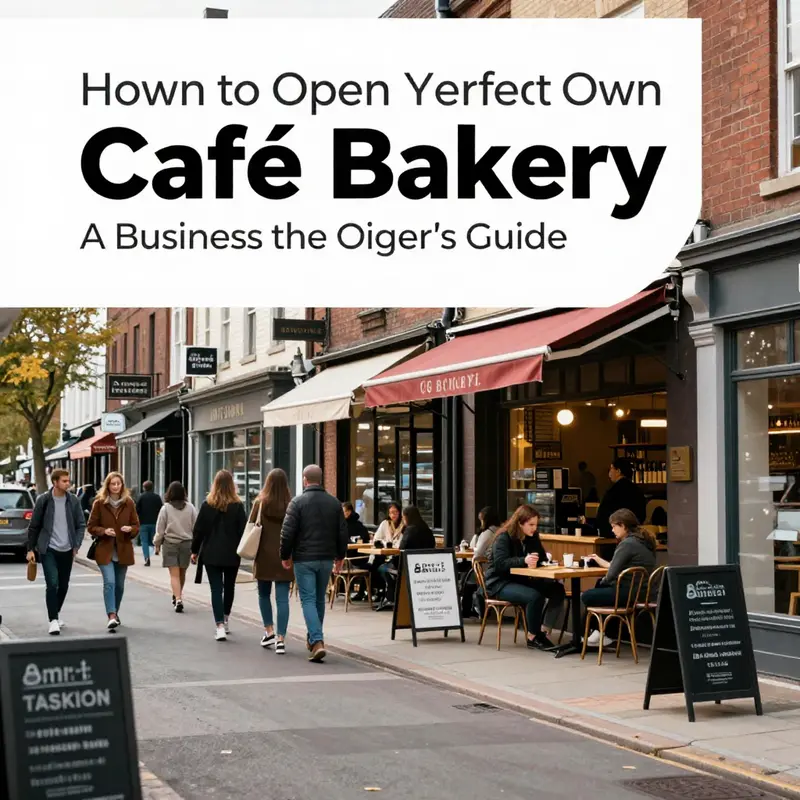
null
Securing the Gateways: Legal Requirements & Licensing for Your Cafe Bakery
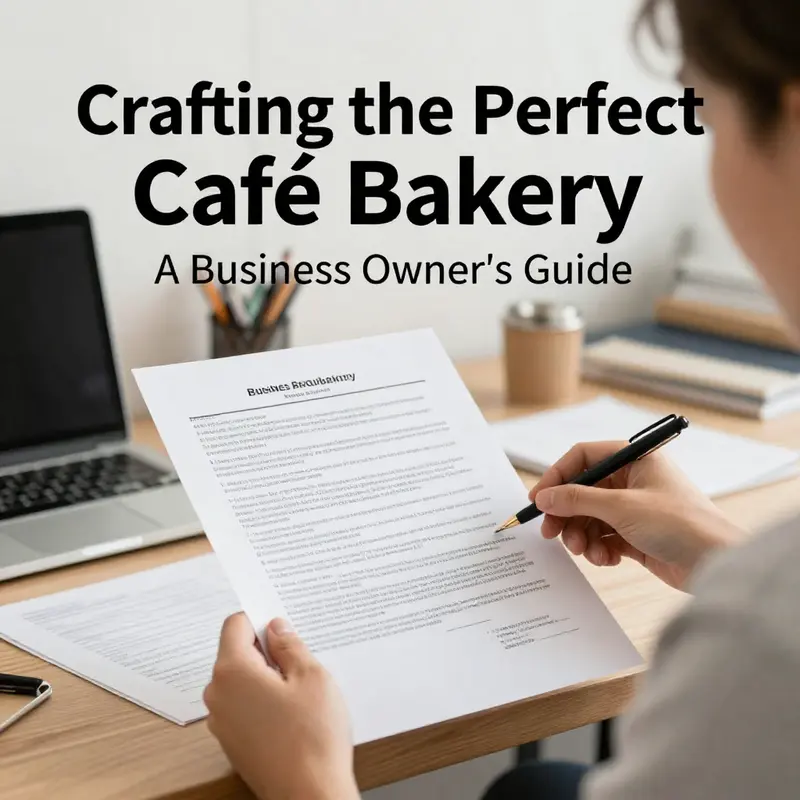
Every great café bakery begins with a solid craft and a welcoming atmosphere, but the door that lets you operate every day is the legal framework that surrounds your business. The licenses and permits you obtain are not obstacles to creativity; they are the foundations that protect your customers, your staff, and your investment. In this chapter, we explore the legal landscape as an integrated part of opening your shop, not as a separate checklist to check off after you’ve designed your bakery. Think of licensing as the quiet backbone that keeps your ovens warm and your doors open, month after month, season after season. The specifics will vary by location, yet certain principles stay consistent: you must prove you are legitimate, safe, and ready to serve the public. This is about transparency, consistency, and professional stewardship as much as about compliance.
At the core, you will need a basic business license or permit to operate under a formal business structure. This registration is more than a formality; it identifies your entity, the business name, and your address. It creates a legal skeleton for tax reporting, labor practices, and vendor agreements. Alongside this, a Food Service Establishment License or Food Operating Permit is essential for any kitchen that prepares and sells edible goods. Inspectors will look for proper kitchen layout, ventilation, sanitation stations, and clear separation of raw and ready-to-eat products. They want to know you have a plan for waste disposal, preventing cross-contamination, and maintaining a hygienic environment that protects both staff and customers. You will also encounter a Health Certificate or Food Handler’s Permit requirement for your team, ensuring that every employee has basic food-safety training before touching ingredients or handling equipment.
Beyond the kitchen, zoning and facility considerations shape where you can operate and how you can use the space. A Zoning Permit confirms the property is designated for commercial food service use, which prevents your dream from colliding with local land-use rules. If your chosen site isn’t already zoned for a café bakery, you may need to pursue variances or adjustments that involve planning boards, neighborhood input, and potential changes to the property’s permitted uses. The occupancy aspect—how many people you can seat, what safety measures are in place, and how customers circulate through the space—often ties to building codes and a Certificate of Occupancy. While these terms may feel abstract, they translate into practical realities: a compliant layout, accessible exits, appropriate ventilation, and a kitchen that supports safe, continuous operation.
If you envision serving alcohol alongside pastries and coffee, an Alcohol License enters the picture. This is typically the most complex permit you’ll encounter, demanding background checks, public notices, and approvals from state or local authorities. The process can take months and involves careful coordination of health, safety, and local ordinances. Even if you do not plan to pour cocktails on day one, it’s wise to understand the pathway so you can adapt your plans as your concept evolves. Then there are the signage and outdoor advertising permits that govern how your storefront presents itself to the street. A Sign Permit ensures your name, logo, and external messaging comply with local aesthetics and safety standards, protecting streetscape harmony while still making your shop inviting.
To keep this ecosystem orderly, your staff will need a Health Certificate or Food Handler’s Permit as well. It’s not just a formality to tick off; it’s a living credential that reminds every team member of the responsibilities that come with handling food. Regular renewal and ongoing training become a rhythm of daily operations. In practice, the licensing journey becomes a cycle: obtain, document, train, renew, and audit. A well-organized compliance program reduces the risk of inspections turning into costly delays and helps you respond quickly if a change in regulations occurs. A practical safeguard is to maintain a compliance binder that houses permits, renewal dates, inspection reports, supplier certifications, waste management plans, and staff training records. This binder becomes your operating manual for legal health and safety, as well as a quick reference during audits.
As you navigate this terrain, remember that the local authority landscape can be less about fear and more about partnership. Start by identifying the right departments—business licensing, health, planning or zoning, and building or occupancy—and request their guidance early. Don’t wait for a pre-opening deadline to trigger frantic calls; instead, schedule conversations that map out your exact requirements, timelines, and fees. That proactive stance also helps you align your investment timeline with regulatory milestones, avoiding a mismatch between build-out and compliance readiness. You’ll often discover that many jurisdictions offer clear checklists, sample forms, and even training resources to help small businesses move forward with confidence. In your search for local startup resources, you might explore Postrería near me. Postrería near me offers a local perspective on how regulatory steps translate into real-world operations and community engagement, even if the specifics differ by city.
As you plan, weave licensing considerations into your financial model. Permit fees, inspection costs, and license renewals should be forecast alongside rent, equipment, and payroll. Build contingencies for potential delays in approvals and for any required modifications to your space to meet code. The more you anticipate these realities, the smoother your launch and early months will be. And while the paperwork may seem dense, it is ultimately a clarifying process that protects your concept, your team, and the guests you will serve. The goal is not to delay your opening but to ensure you can stay open, serve safely, and grow with confidence. The path toward a compliant and thriving cafe bakery is a steady drumbeat of preparation, documentation, training, and timely renewals. It’s the quiet work that supports the loud joy of baking, serving, and inviting your community into a space you can proudly call yours.
External resource: For a broad overview of starting a small business and planning licenses and permits, consult the U.S. Small Business Administration guide at https://www.sba.gov/business-guide/plan-your-business/start-your-business
Final thoughts
Embracing the journey of opening your own café bakery involves meticulous planning, strategic location scouting, and a comprehensive understanding of the legal landscape. By prioritizing market research and business planning, you position your bakery for initial success. Selecting the right location ensures a steady flow of customers, while adherence to legal requirements builds trust within your community. As you embark on your café bakery adventure, let your passion for baking and hospitality shine to create a beloved local establishment.