
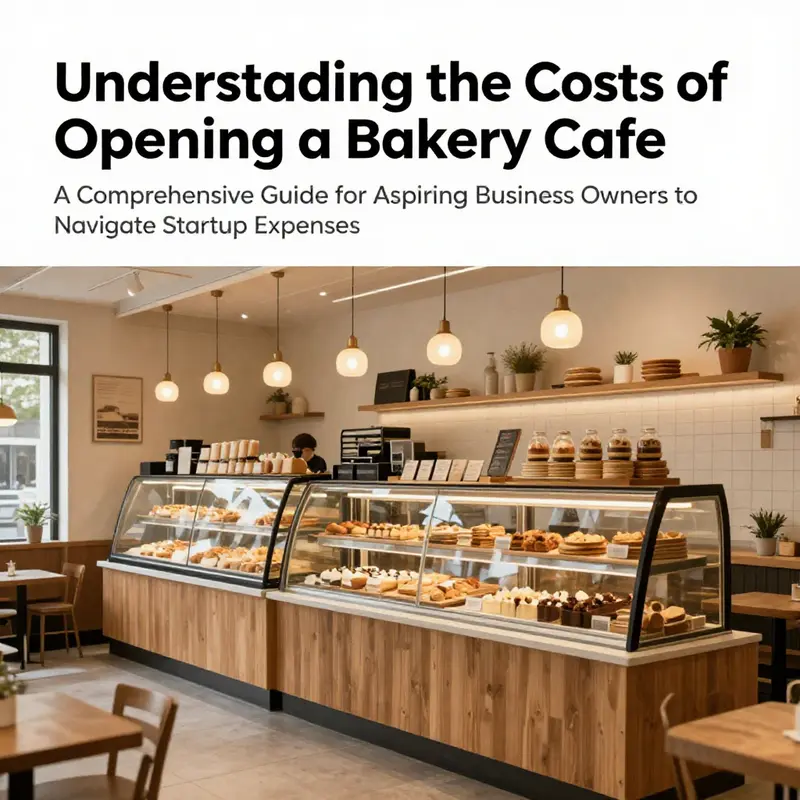
Opening a bakery cafe is a sweet dream for many entrepreneurs, yet the path is paved with various financial considerations. Understanding the costs involved is crucial to ensuring long-term success and sustainability. This detailed breakdown covers initial costs, ongoing operational expenses, and provides an overall investment analysis, empowering potential bakers to make informed decisions and strategic plans.
Counting the Crumbs: Estimating the Real Startup Cost of a Bakery Café
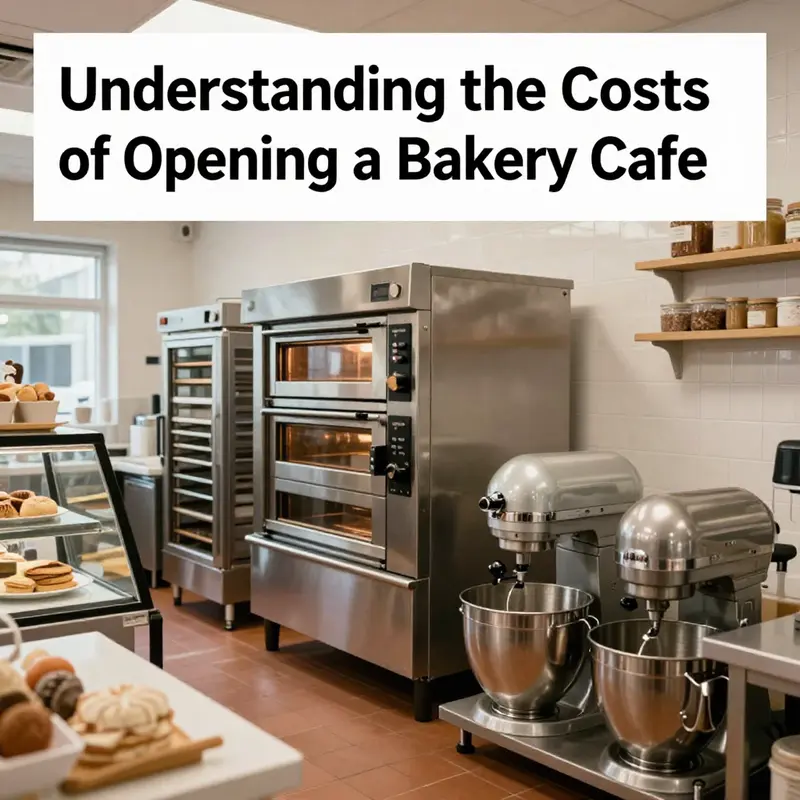
Opening a bakery cafe is a venture built on a mosaic of costs, each piece dependent on location, size, concept, and the quality of equipment you insist on. The upfront investment sits alongside a recurring obligation that can stretch for months before sales stabilize. In practical terms, you must imagine both the purchase of tangible assets and the cushions that keep you afloat as you grow into a steady stream of customers. The math is not a single number but a range, and that range reflects the reality that no two bakery cafes start from the same place. For many hopeful shop owners, the starting point is a blend of one-time costs and the first months of operating expenses, carefully forecasted so the doors stay open, ovens stay hot, and the staff can focus on turning customers into loyal guests.
On the one-time side, the lease or purchase of space forms the most visible line item. In prime urban locations, the monthly rent for a compact storefront—roughly 500 to 1,000 square feet—can swing from a couple of thousand dollars to over ten thousand, depending on foot traffic, visibility, and parking. Even in more modest markets, the rent becomes a ceiling for what you can build around: how much seating you can offer, how much display area you have for pastries, and how much room exists for a small prep zone. Renovation and interior design follow, converting raw space into a friendly bakery cafe rather than a bare kitchen. The price tag here varies with the depth of structural work, electrical and plumbing upgrades, branding elements, and the degree of customization. A standard renovation typically sits in the mid-range, but high-end finishes, custom cabinetry, or complex lighting can push the bill well above that. In many cases, you are paying for atmosphere as much as function, because a warm, inviting space can dramatically lift foot traffic and impulse purchases.
Equipment represents the other large, non-negotiable chunk. You need reliable ovens suitable for a breadth of baked goods, mixers and dough handling gear, proofing cabinets, cold storage, and display cases to lure customers with a tempting selection. If you plan to serve coffee or other beverages, you’ll add espresso machines and grinders, creating a café hybrid that demands more robust electrical and ventilation planning. In total, the core equipment package commonly ranges from roughly thirty to seventy thousand dollars, with the final number shaped by the number of baking lanes, energy efficiency, and the brands chosen. Initial inventory and supplies cover your first-day needs—flour, sugar, butter, eggs, and essential pantry items—along with packaging for to-go orders, cleaning products, and disposables. A practical budget here is five to fifteen thousand dollars, though premium ingredients, larger seasonal menus, or higher-volume formats can raise the figure.
The administrative and pre-opening line items cannot be skipped. Licenses, permits, and insurance protect your right to operate and guard you against potential liabilities. Costs for these essentials typically fall between one and five thousand dollars before the grand opening. A focused marketing and branding push helps you generate initial buzz—signage, a basic website, social media channels, and a few launch events—usually two to ten thousand dollars. While these categories add to the initial tally, they can function as accelerants for revenue if deployed with a clear plan and target audience in mind.
When you total these elements, the numbers reveal a broad, location- and concept-dependent band. A lean, well-structured opening in a modest footprint might land around seventy-five to two hundred thousand dollars, while a more ambitious site with higher-end finishes and more extensive equipment can push toward two hundred thousand to two hundred thousand plus. For many operators, aligning with a franchise system provides training, standardized recipes, and marketing playbooks that can shorten the learning curve and reduce early missteps. If you want to see how a real project translates these ideas into a plan, consider a case study page like Dulce Vida Bakery 410, which walks through design choices, equipment lists, and a staged opening plan. You can visit that example here: Dulce Vida Bakery 410.
Beyond the initial investment, you must plan for ongoing costs that recur monthly. Rent remains a fixed burden, though the exact amount fluctuates with market conditions and lease terms. Staffing is substantial because you’ll need at least a core team of bakers and counter staff, plus a cleaner or maintenance person. Payroll can range from roughly six thousand nine hundred to twenty-four thousand dollars a month, depending on local wage scales and how many hours you operate. Utilities, insurance, and routine maintenance add several hundred to a few thousand dollars each month. Taken together, the ongoing monthly burn is a constant companion to sales, and this is why many mentors emphasize the importance of a conservative forecast for the first six to twelve months. A disciplined approach to cash flow—keeping a close eye on inventory management, waste, and peak demand periods—will help you align spending with revenue as you build a loyal customer base.
The numbers are not merely theoretical. They reflect a spectrum of possibilities—space size, design ambitions, equipment choices, and the pace at which customers discover your bakery cafe. In a broader industry frame, small-to-medium operations often land in a startup range of roughly seventy-five thousand to two hundred thousand dollars, with many mid-tier ventures clustering around the one hundred twenty to one hundred fifty thousand dollar mark. Working capital—three to six months of operating expenses—remains a prudent cushion to cover payroll, utilities, and other recurring costs while you establish your brand. When you compare independent openings with franchise routes, you weigh control and creativity against training, standardized processes, and a faster ramp. Either path demands rigorous planning, a realistic forecast, and an open mind about adapting to your local market. For readers seeking a more expansive data set to model their own plan, a trusted industry resource outlines typical ranges across city scales and formats, underscoring how location, format, and pace of growth shape the final tally.
External resource: https://www.restaurant.org/starting-a-business/startup-costs
Running the Numbers: Monthly Operational Costs to Keep a Bakery Cafe Open
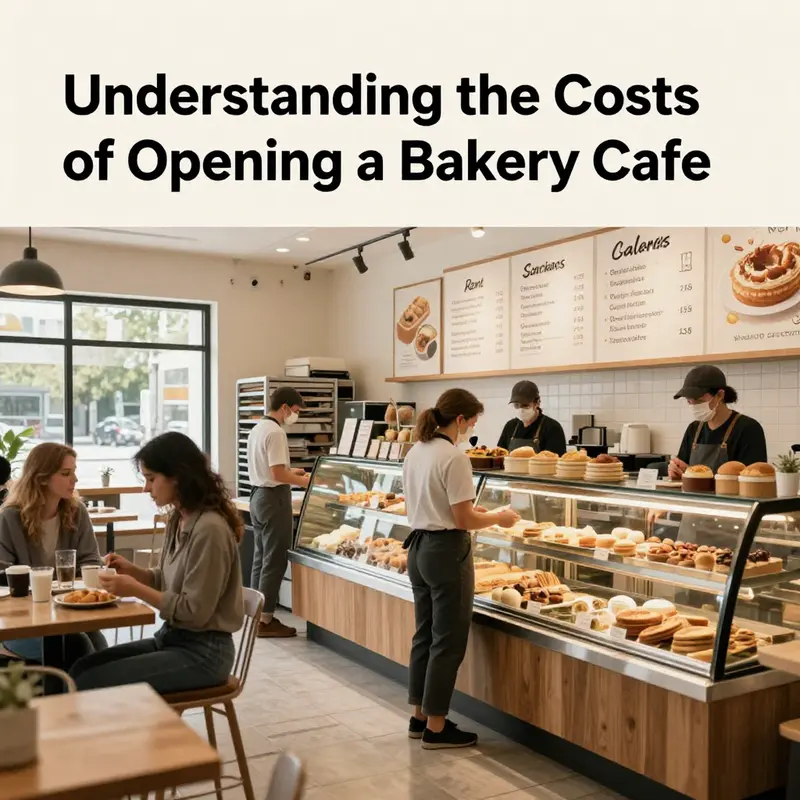
Monthly cost breakdown and practical budgeting
A bakery cafe’s monthly finances tell a clearer story than startup projections. Once doors open, steady cash flow and tight expense control determine viability. Rent, payroll, utilities, ingredient purchasing, packaging, equipment upkeep, marketing, insurance, and inventory systems form the recurring cost base. Each element interacts with the others. Together they shape margins and cash needs.
Rent is the largest fixed cost for many bakery cafes. In prime urban locations, expect monthly rent between $12,000 and $15,000 for a modest footprint. Rent can spike in high-footfall corridors or central business districts. Lease terms matter. Percentage rent clauses, minimal annual increases, and tenant improvement obligations change monthly burdens. When planning, model base rent plus a conservative estimate for additional occupancy costs.
Labor follows as a major monthly line. Bakeries need bakers, baristas, counter staff, and cleaners. Monthly payroll commonly runs from roughly $6,900 to $24,300. Benefits, taxes, and overtime push that higher. Labor scheduling must match demand curves. Early mornings and weekends need experienced bakers. Cross training staff to perform multiple roles reduces headcount without sacrificing service. Use weekly labor targets and a simple scheduling tool to avoid overspending during slow shifts.
Utilities and maintenance quietly erode margins each month. Expect electricity, water, and gas between $900 and $2,100. Commercial ovens, proofers, and refrigeration units demand stable power. Regular preventative maintenance extends equipment life and cuts emergency repair bills. Budget for routine service contracts. Small maintenance costs are predictable; sudden failures are not. An equipment reserve fund can smooth these shocks.
Ingredient procurement is variable but central to profitability. High-quality flour, butter, dairy, and specialty ingredients can represent 25–35% of gross sales for many bakeries. Costs vary with sourcing choices and menu complexity. Fresh versus frozen, organic versus conventional, and seasonal items all shift the monthly invoice. Track cost per recipe and update it monthly. Adjust menu prices or portion sizes if ingredient inflation outpaces sales growth.
Packaging and disposables add another steady expense. Boxes, bags, napkins, and to-go cups are essential. Costs depend on branding and eco choices. Branded packaging increases perceived value. Bulk purchasing and supplier consolidation lower per-unit costs. Consider minimal-cost, eco-friendly options that preserve product integrity without overspending.
Marketing is an ongoing investment, not a one-time line. Monthly budgets should cover local promotions, social content, paid ads, and loyalty programs. Even small cafes need a baseline budget for visibility. Allocate a percent of projected revenue or set a fixed monthly marketing line. Track campaign ROI and shift spending to the channels that reliably drive foot traffic.
Insurance and compliance fees keep operations legal and safe. Liability, property, and workers’ compensation insurance protect assets. Premiums depend on location and staffing. Include licensing renewals and health inspections in your monthly forecast. These costs prevent catastrophic financial exposure.
Inventory management ties many costs together. Wastage, spoilage, and shrinkage silently inflate expenses. Implement a simple inventory system and conduct weekly counts. First-in, first-out rotation reduces waste. Pair inventory data with sales trends to refine ordering. Lean inventory reduces cash tied up in stock but raises the risk of running out of high-margin items. Find the right balance.
Equipment maintenance and depreciation deserve attention. Regular servicing reduces outages. Plan for gradual replacement by setting aside a monthly equipment fund. Aging ovens and refrigeration can reduce yield quality and increase energy bills. A modest reserve prevents the need for emergency spending that can derail cash flow.
For some entrepreneurs, prefabricated bakery kiosks offer a leaner monthly cost model. Kiosks often have lower rent, smaller labor needs, and minimal fit-out. They suit seasonal or high-footfall settings like malls and transit hubs. The trade-off is limited production capacity and menu range. Use kiosks to validate demand before investing in a full storefront.
Forecasting and cash flow planning tie these components into a usable monthly forecast. Build a template that lists fixed and variable costs, then project sales conservatively. Stress-test the model for seasonal dips and supplier price shocks. Maintain a cash buffer equal to three months of operating expenses. Many lenders and franchisors recommend the same cushion.
A practical example helps. Using mid-range figures, monthly rent of $13,500, payroll of $12,000, utilities of $1,500, ingredients at $10,000, packaging at $1,000, marketing at $800, insurance at $700, and maintenance at $500 totals roughly $39,000. That figure scales with location and concept. Knowing this monthly baseline helps set sales targets and price menus for acceptable margins.
The global bakery market is expanding, increasing opportunity and competition. To stay profitable, monitor each cost line monthly. Small adjustments to scheduling, supplier terms, menu engineering, and marketing mix yield big improvements over time. For a closer look at business planning and monthly budgeting techniques, review the Dulce Vida Cafe case study here: Dulce Vida Cafe.
External resource for planning: https://www.shopify.com/nigeria/blog/bakery-business-plan
Crunching the Numbers: A Complete Investment Breakdown for Opening Your Bakery Café
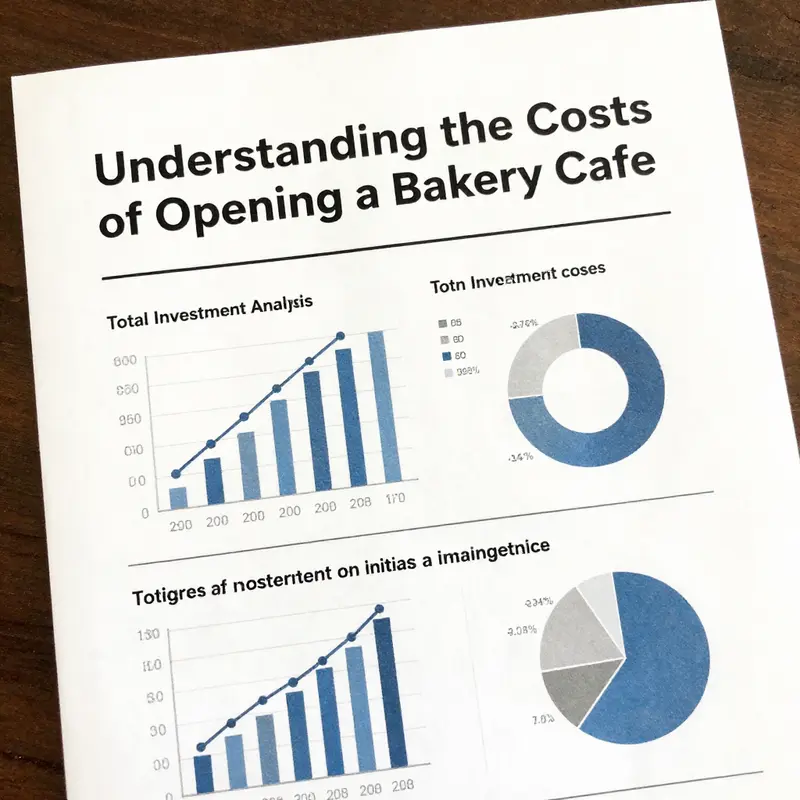
A full picture of the total investment for a bakery café ties setup costs, ongoing expenses, and early cash flow into one planning tool. The largest single barrier is capital expenditure. Commercial ovens, heavy-duty mixers, refrigeration, proofers, display cases and POS hardware add up quickly. Recent industry data shows equipment often ranges between $37,700 and $71,500, making it a major share of startup cash needs. Leasehold improvements and interior design follow closely. Converting raw square footage into a warm, efficient café space requires flooring, lighting, plumbing updates, counterwork and branding touches, which commonly cost $25,900 to $41,800 depending on the finish level and local construction rates.
Franchise versus independent choice changes the upfront math. Franchise fees can range from $4,650 to $67,900, and franchisors may bundle training, supply agreements, and marketing support into that cost. Independents avoid that specific fee but often spend more on concept development, recipes, and local brand marketing. Initial inventory and supplies are highly variable. A basic launch inventory might land near $15,200, while a premium, artisanal launch with specialty ingredients and branded packaging can approach $103,300. Don’t forget startup marketing and launch promotions; budget $3,800 to $4,000 for signage, social channels, local events and opening offers.
Location drives both initial and ongoing expense lines. Prime commercial corridors command higher rents, and for a typical 50㎡ storefront you should expect monthly rent near $13,000 to $16,600 in top-tier markets. That rent band can change your financing needs overnight. Lessor incentives and short-term rent reductions can help, but lenders will expect you to show three to six months of operating runway. Payroll is the next big monthly outflow. A small team—one experienced baker, baristas, front-of-house staff and cleaning or prep help—generates payroll costs in the $6,900 to $24,300 range. Utilities and miscellaneous operations add $900 to $2,100 per month.
When you add one-time and three to six months of operating expenses, a realistic startup total typically sits between $208,600 and $428,700. That range reflects choices about scale, equipment quality, location and whether a franchise fee is involved. It also assumes you’ve built a cushion for the slow first months while customer habits form.
Financial modeling is essential. Use a five-year forecast to map revenue, costs, and cash burn. Structure revenue around three core streams: retail baked goods, coffee and beverage sales, and dine-in or takeaway orders. Each stream has different margins. Packaged retail items and drinks often drive the highest margins when portioning and pricing are controlled. Dine-in traffic supports higher average tickets but raises labor and seating costs. A model that tests conservative, base and optimistic scenarios helps you see when the business covers fixed costs and when reinvestment in marketing or equipment is viable.
Liquidity planning matters more than optimistic break-even dates. Calculate your minimum cash month—the largest single-month negative cash position likely before volume stabilizes. That number should be funded before opening, either from owner capital, small business loans, equipment financing or investor equity. Consider equipment leases and step-payment schedules to reduce early cash demands. Debt servicing assumptions must be baked into monthly forecasts to avoid surprises.
Securing financing depends on clear documentation. A focused business plan that includes your five-year model, cost breakdowns, supplier terms and local market research improves lender confidence. Demonstrate unit economics: average sale per customer, expected daily covers, gross margin per product category, and payback period for major investments. Showing pilot sales, pop-up results or pre-orders can shorten the path to credit approval.
Cost-control choices can reduce required capital without sacrificing quality. Buy refurbished ovens for noncritical lines, negotiate long-lead supplier discounts, lease specialty equipment, and phase menu complexity at launch. Prioritize durable, high-impact design elements over costly décor that doesn’t affect operations. Train staff thoroughly before opening to minimize waste and speed service.
A practical way to understand these figures is to study recent startup guides and forecasts that map costs to revenue streams over time. Case studies and localized plans reveal how assumptions change by market. For a real-world local example and inspiration, review the Dulce Vida Cafe case study. For an authoritative, step-by-step forecast and five-year revenue model you can adapt, consult this industry guide: https://www.bakerybusiness.com/startup-costs-and-revenue-forecast-5-year-plan
Final thoughts
The financial landscape of opening a bakery cafe is intricate, encompassing various initial investments and ongoing operational costs. By comprehensively understanding these components, aspiring business owners can prepare for success. It’s vital to approach this venture with a clear financial strategy to steer through the complexities of costs. Evaluate your options carefully and consider the guidance of experienced advisors to create a sustainable bakery cafe that thrives beyond startup.