
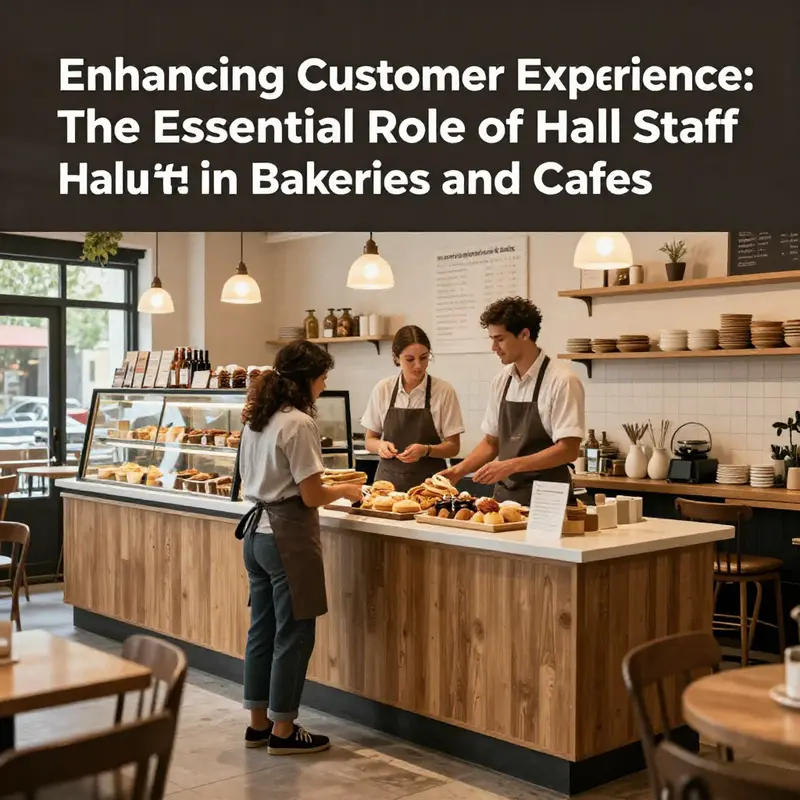
In the competitive landscape of bakeries and cafes, delivering remarkable customer experiences is paramount. Hall staff serve as the frontline team, embodying the hospitality and warmth that patrons seek. Their interactions can significantly influence customers’ perceptions, making it crucial for business owners to understand their roles and responsibilities. In this exploration, we will discuss how hall staff enhance customer experiences in bakeries and cafes, followed by a detailed look at the skills and responsibilities essential for success in this pivotal role.
Guardians of the Hall: Crafting Warmth and Order in a Bakery-Café Customer Experience
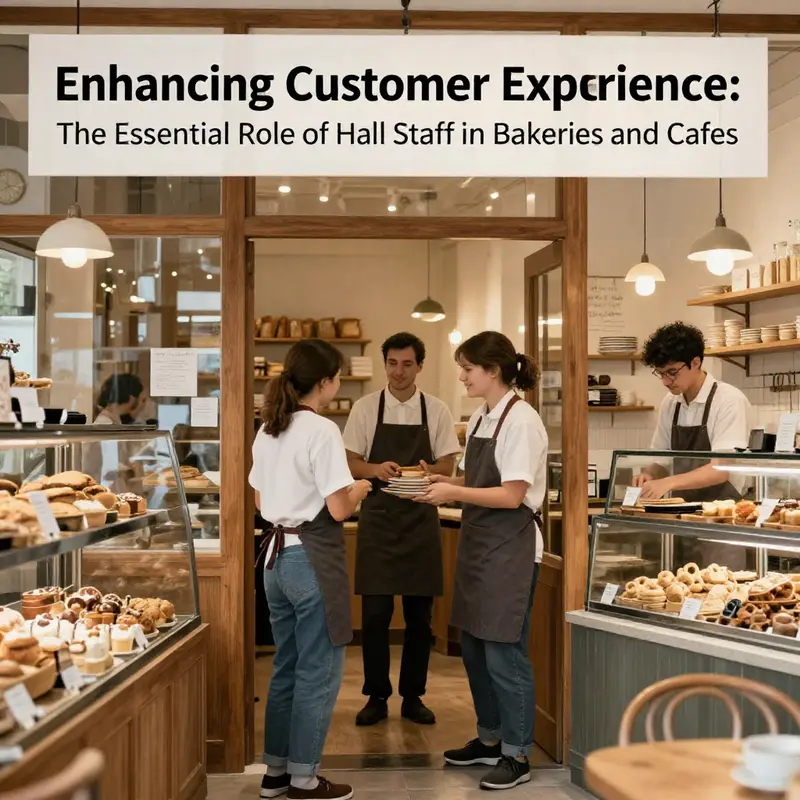
A bakery or café is more than a place to buy bread and a cup of coffee. It is a living environment where scent, sight, sound, and service converge to form an experience that people remember. At the center of that experience sits the hall staff—the people who stand at the threshold between product and guest, between the kitchen’s careful precision and the guest’s immediate needs. Far from being mere couriers of orders, hall staff are the quiet architects of hospitality. They shape the mood the moment a guest steps inside, hold the rhythm of the room during peak times, and help translate a customer’s desire into a seamless, satisfying visit. Their role is essential because it is in the hall that a bakery-café demonstrates its brand through behavior as much as through its display counters and its pastry case. The story of a visitor’s experience often begins there, with a greeting, a glance, and a thoughtful invitation to settle in or to decide, in a calm pace, what to savor first.
The hall is the most visible frontier of hospitality. When guests approach the entrance, they meet an aura built by the hall staff’s demeanor as much as by the display counters’ careful arrangement. A warm, genuine smile conveys more than friendliness; it signals that the space is attentive to guests’ needs, that it values their time, and that it will handle their questions with respect. This first contact matters because it sets expectations. If a guest feels welcomed, they are more likely to linger, to linger well into the tasting moment, and to leave with a sense that the visit was more than a simple transaction. The hall staff’s voice, their pace, and their posture all carry this message—efficient without rush, professional without stiffness, attentive without hovering.
One of the hall staff’s most visible responsibilities is managing the flow of people through the space. In a busy bakery-café, queues form, downstairs chatter rises, and seat availability becomes a delicate rhythm. The staff navigate this tempo by guiding queues with a calm, clear presence, directing guests toward seating areas or the counter, and signaling when it is appropriate to step back from a table to take the next order. The goal is to preserve a sense of order so the room feels organized rather than crowded. When the hall staff speak, their words are brief and specific, designed to reduce hesitation: “Table for two by the window, please,” or, “Would you like to see today’s loaves?” This clarity avoids bottlenecks and helps guests feel taken care of, even during the busiest moments. The effect is not only practical; it is psychological. People experience less stress when the path to what they want is predictable and governed by courteous, capable hands.
Beyond movement, the hall staff curate the sensory dimension of the space. They oversee a sensory stage where the bakery’s craft is on display—the pastry case, the aroma of warm bread, the gleam of clean surfaces, and the careful labeling of goods. Their attention to display counters matters. Neatly arranged products with legible labels invite curiosity and make the decision process easier for guests. They understand lighting as a tool—spotlights on a particularly fragrant loaf, a softer wash of color on a display that features seasonal treats—so the product not only looks good but feels approachable and desirable. To preserve this impression, hall staff participate in practical hygiene and service rituals: donning gloves when handling utensils, tying hair back, wearing hairnets when required, and addressing spills or crumbs promptly. Cleanliness communicates reliability and quality; it reassures guests that every element they touch has been treated with care. In this sense, the hall staff are not simply servers; they are guardians of standards that customers can sense with their senses.
The role also encompasses a nuanced form of personal service—an art of reading a guest’s needs and responding with useful, timely information. Hall staff answer questions about ingredients, preparation methods, or the daily specials with poise. When a guest voices a concern—perhaps a missing item from an order or a mismatch between expectation and reality—the hall staff handle the issue with tact, empathy, and swift resolution. This is where the chapter’s moral center reveals itself: service quality is most memorable when a staff member takes ownership, follows through, and closes the loop with a genuine apology or a thoughtful fix. Such moments can turn a minor hiccup into a demonstration of care and attentiveness, which guests interpret as a sign that the business respects them and values their time.
Personalization also shows up in the hall staff’s ability to suggest complementary items in a natural, unobtrusive way. They might highlight a pairing that makes a guest’s choice feel complete, such as noting how a particular loaf pairs nicely with a fruit preserve or how a pastry’s texture can complement a seasonal beverage. These suggestions are not pushy sales tactics; they are informed recommendations, rooted in knowledge of what is behind the counter and how flavors can harmonize. The hall staff’s knowledge about the product range—what is freshly baked, what is best to consume warm, what keeps well for a short while—translates into trust. Guests sense that the staff are not merely selling something but guiding them toward a more satisfying experience. In places where self-service options exist, the hall staff still play a critical role. They offer reassurance, answer questions about where items are located, and provide the human presence that makes self-service feel approachable rather than intimidating. A confident presence at the heart of the room reduces guest anxiety and encourages repeat visits.
The hall staff’s influence extends into the relationship between the space and the kitchen. They act as the bridge between the production area and the dining room, translating kitchen output into guest-ready experiences. When a batch of croissants comes out warm, the hall staff prepare the area to showcase that freshness, ensuring the display remains inviting and that maintaining adequate stock is visible to guests through the rhythm of replenishment. This bridging role requires coordination with baristas or beverage staff, with bakers, and with managers who oversee the day’s schedule. It is a daily choreography: the staff manage time and space so that seating is available when guests arrive, orders are ready when guests are ready to pay, and the flow between counter and table remains smooth. They learn the cadence of the cafe or bakery—when the lunch crowd peaks, when the case should be restocked, and how to read subtle signals from guests who may need an extra minute to decide.
In this way, hall staff become ambassadors for the brand’s values. Their behavior communicates what the business stands for—attention to detail, warmth, and reliability. A well-trained hall team embodies these traits through consistent interactions, product knowledge, and the ability to adapt to diverse guest needs. The way they handle language, tone, and body language matters as much as their knowledge of products. Good training focuses on listening as much as speaking, on noticing small cues—a guest glancing toward a pastry case for a moment longer, a mother with a stroller needing a seat, a solo diner who wants quiet but attentive service—and on tailoring responses to those cues. It is in these moments that a bakery-café transcends a simple transaction and becomes a place that guests want to return to, a community hub where warmth is a routine, not an exception.
To see how this looks in practice, consider the interplay between aesthetic design and human interaction. The physical environment—counter height, seating arrangement, traffic flow—frames what hall staff can do. Comfortable sightlines enable staff to greet guests promptly, while a well-designed seating area reduces cross-traffic conflicts and makes it easier to manage peak hours. Display counters become more than storage; they become invitation and theater. The way items are displayed, labeled, and refreshed communicates care. Staff who understand the display’s logic can guide guests without lecturing, pointing to a particular loaf because it is at its best today, or suggesting a seasonal pastry that aligns with a guest’s mood. The goal is to maintain an atmosphere that feels effortless and welcoming—the sense that everything simply works because skilled people are watching the room, listening to need, and acting with intention.
The hall staff also shape guest perception through consistency. Guests notice when a space feels consistently clean, when staff remember returning guests, and when service times align with what was promised. Consistency creates trust, and trust turns ordinary visits into reliable experiences guests seek out again and again. It is not merely about speed; it is about predictability in the right moments—greeting on arrival, seating guidance, table maintenance, and the delicate close of a visit with a warm farewell. This continuity reinforces brand identity: warmth, competence, and an unhurried pace that respects the guest’s time and appetite alike.
A practical thread runs through all these threads. The hall staff’s training, observation, and continuous learning matter as much as their social skills. They need to understand the seasonal shifts in product availability, the changes in seating policy during busy periods, and the lodge-level expectations around hygiene and safety. They should be comfortable with feedback, both giving and receiving it, and ready to adjust routines to keep the guest experience seamless. The best teams embed a culture of shared responsibility; everyone understands that a positive guest experience is a team achievement that extends beyond any single role. In this way, hall staff not only keep the room running; they help the bakery-café translate its culinary craft into a living, breathing hospitality story.
For readers seeking a tangible sense of how this translates into daily practice, a real-world glimpse into a well-run café environment can offer valuable pointers. See the example at Dulce Vida Café to observe how hall staff interact with guests, maintain an inviting display, and coordinate with the kitchen to deliver a cohesive guest journey. The link provides a window into how the theories of flow, sensory curation, and personalized service play out in an actual space. In parallel, researchers and designers remind us to consider design standards for furniture, lighting, and display in ways that support staff performance. An external resource that illuminates best practices for display counter design and its impact on guest perception is available here: https://www.hospitalitydesign.com/bakery-display-counter-design-standards/.
Ultimately, the hall staff are not simply background players in a bakery-café narrative. They are the living bridge between product and person, the people who translate the bakery’s craft into an experience guests can feel, taste, and remember. Their skill set—a blend of warmth, organization, observational acuity, and product knowledge—defines how a guest experiences the space from the moment they walk in to the moment they leave. In shaping a positive, memorable visit, hall staff help transform a routine purchase into a preferred habit, a neighborhood staple into a beloved meeting place, and a storefront into a welcoming home for community and connection.
First Impressions Behind the Counter: The Hidden Craft of Hall Staff in a Bakery/Cafe

Walk into a bakery or cafe and the pastry case glitters with color, the aroma of roasted coffee lingers, and a rhythm pulses through the room as staff move with practiced ease. Yet the most consistent heartbeat of the space often sits at the front of the house, where hall staff greet, guide, and temper the tempo of the day. They are not merely the welcome committee or the clean-up crew; they are the human threads that weave a seamless customer journey from the moment a guest steps inside to the moment they leave with a warm farewell. In settings where seating, display, and service intersect—where the hall becomes a stage for hospitality—the role of hall staff deserves careful attention. It is in their hands that the bakery’s or cafe’s reputation is first formed and, at times, last spoken aloud by a satisfied customer who carries a memory of kindness into the street outside.
For many guests, the encounter with hall staff begins before any order is spoken. A friendly greeting, a gentle guiding gesture toward a vacant table, the offering of menus, and the readiness to answer questions—all these moments establish a tone that carries through the entire visit. The hall staff are the front-line ambassadors of ambiance. They project the establishment’s character through posture, language, and tone. A consistently warm and professional demeanor can soften the nerves of a first-time visitor and reassure a hurried commuter that this is a place where time can be found, even if only for a moment. The micro-skills involved—eye contact, a steady voice, and the ability to make someone feel seen—often matter more than the specifics of the menu. And when a guest is unsure, the hall staff’s willingness to listen, clarify, and suggest options can transform hesitation into anticipation.
The day-to-day duties stretch beyond the classic greeting. In many bakeries with seating or in large cafe settings, the hall staff assume a fluid, multitasking workflow that bridges customer-facing duties with the operational needs of the kitchen and the dining area. They may take orders at tables in a few venues, but their most enduring value lies in maintaining an inviting, orderly space. A clean, well-arranged counter with clearly displayed pastry options and drinks helps guests navigate quickly, especially during peak periods. The hall staff keep the physical environment intentional: wiping down tables, replenishing condiments, aligning napkins, and ensuring display items remain appealing. This visible upkeep complements the artistry of the bakers and baristas, whose products load the energy of the space with color, aroma, and taste. The hall staff are the anchors that keep the scene cohesive, ensuring every surface and corner reflects care.
A critical capacity for hall staff is order processing. The role often encompasses handling the point-of-sale system, managing multiple payment methods, and ensuring accuracy in transactions. While a portion of the work is transaction-focused, the emphasis remains on the customer experience. The cashier’s station becomes a touchpoint for first impressions—polite, efficient, and precise. When the line grows and the pace quickens, the hall staff’s ability to move with calm efficiency matters as much as any memorized script. They are trained to handle common queries, from allergen information to dietary preferences, translating culinary possibilities into choices that respect guests’ needs. In situations like gluten-free requests or dairy-free substitutions, they serve as the bridge between guest desire and kitchen feasibility, coordinating with bakers or baristas to ensure accuracy without sacrificing speed.
The responsibility to maintain a clean and welcoming space cannot be overstated. A hall staff member’s day revolves around the continuous cycle of cleaning, restocking, and resetting. The dining area must look transformatively fresh every hour, not merely at opening and closing. This requires a steady rhythm: wiping tables after guests depart, clearing crumbs from countertops, and ensuring floors are safe and dry. The beauty of a well-kept hall lies in its consistency: guests feel at ease because the space communicates reliability. It also minimizes cross-contamination risks and supports health and safety standards that are non-negotiable in today’s dining environment. The hall staff coordinate with the kitchen and prep teams to anticipate demand, adjust table layouts for groups, and reposition seating in response to crowd flow. The result is a dining floor that breathes with an orderly, inclusive pace, inviting guests to linger or move with purpose as their needs dictate.
Stock management is another subtle but essential duty. Hall staff monitor popular items, check pastry displays for freshness, and alert supervisors when supplies run low. They may assist in rotating stock, ensuring that seasonal or daily specials are visible and accessible. This is more than merchandising; it’s the practice of keeping the customer experience coherent. When a guest asks about a product that’s unavailable, the staff member’s response should be transparent and helpful, offering alternatives or suggesting a timely replacement. The ability to communicate clearly about availability, while remaining courteous, preserves goodwill and reduces disappointment. Such attentiveness also supports the kitchen’s pacing, as hall staff pass on demand signals and anticipated needs, aligning the front with the back of house.
Special requests present an opportunity for personalization that distinguishes a memorable visit from a routine one. allergic information, dietary restrictions, or customizations require careful listening and precise communication. Hall staff must translate guest preferences into actionable guidance for the kitchen, while managing expectations about feasibility and timing. This is where product knowledge, though not exhaustive, becomes practical rather than encyclopedic. A helpful, respectful approach—acknowledging the request, confirming details, and offering concrete options—helps guests feel seen and valued. In this sense, hall staff are co-designers of the guest experience, shaping not only what is served but how it is served: plated, packaged, or presented at a moment that aligns with the guest’s plans and the cafe’s workflow.
Team collaboration remains the quiet backbone of effective front-of-house service. Hall staff work in concert with bakers, prep cooks, and baristas to ensure timely order fulfillment and a cohesive guest journey. This requires a mindset of shared responsibility rather than siloed duties. When the busiest hours hit, the front-of-house team shifts roles, reallocates positions, and communicates with calm clarity. The most successful teams anticipate bottlenecks before they form and enact contingency plans with practiced ease. The hall staff, in this sense, are the conductors of a busy orchestra: they cue the next action, hold the line during a rush, and then restore balance once the moment passes. Their ability to listen—both to customers and to colleagues—ensures that information flows unimpeded and that service standards remain steady under pressure.
Technology and systems complement the human skill set in modern bakeries and cafes. The hall staff use the cash register or POS system, process payments, and manage receipts with care. They balance speed with accuracy, ensuring each guest leaves with a clear understanding of their purchase and total cost. Beyond transactions, the hall staff harness digital tools for efficiency: signaling when a table is ready, updating display statuses, and coordinating with team members via simple communication protocols. Even as technology handles routine tasks, the human touch remains essential. A smile, a thoughtful suggestion for a pastry pairing, or a warm farewell can transform an ordinary transaction into a sustainable memory that invites return visits.
In a space where aroma, craft, and service intersect, the hall staff embody hospitality as a lived practice rather than a set of duties. Their work is often invisible in the moment of a guest’s satisfaction, yet it is those tiny, consistent acts of care—the quick wipe, the steady greeting, the poised response to a complaint—that build trust and repeat business. The hall staff’s role also reinforces the bakery’s or cafe’s character. They translate branding into lived experience, turning a well-prepared display and a courteous interaction into a narrative guests carry with them as they step back into their day. In this way, the hall staff are not just facilitators of service; they are custodians of the guest experience, ensuring that every arrival, every order, and every departure feels intentional and human. A well-run hall space does more than move people through; it invites them to slow down, savor, and stay, even if only for a moment. This is the quiet artistry of front-of-house excellence, where attention to people, process, and place coalesces into hospitality that is memorable, shareable, and increasingly essential in the modern bakery and cafe.
For readers who want to glimpse a concrete example of how these principles translate into practice, consider the front-of-house approach at a cafe that emphasizes warmth, clarity, and teamwork. The hall staff’s impact is evident in the way guests are greeted, guided, and seated, in the ease of the ordering process, and in the cleanliness and presentation of the dining area. The space feels orderly yet lively, because the staff have established routines that keep the flow steady even during peak moments. Their work, though often quiet and steady, forms the backbone of a guest’s positive impression and the bakery’s or cafe’s ongoing reputation for care. It is a reminder that great hospitality begins not with the perfect latte or the flawless croissant alone, but with the front-of-house professional who makes every guest feel welcome, seen, and understood.
Internal link: In settings like the Dulce Vida Cafe, the hall staff are the steady heartbeat who greet and guide guests through a smooth, inviting experience.
External resource for deeper context: https://www.indeed.com/jobs/Bakery-Clerk-jobs
Final thoughts
Understanding the pivotal role of hall staff in a bakery or cafe positions business owners to enhance customer satisfaction and operational efficiency. By recognizing the importance of a well-trained and engaging team, you can ensure that every customer feels valued and welcomed. Investing in hall staff training and support will not only improve day-to-day operations but also create loyal patrons who appreciate the efforts made to provide an exceptional experience.