
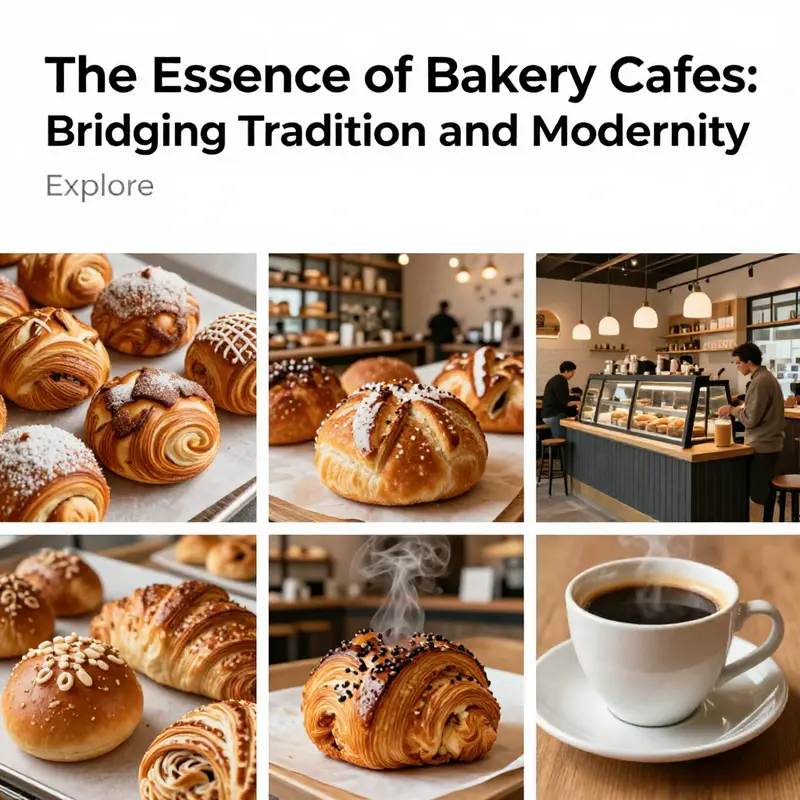
In today’s culinary landscape, bakery cafes serve a pivotal role, offering fresh baked goods alongside a cozy place for socialization and relaxation. This hybrid concept combines the best of both worlds: a traditional bakery’s artisanal bread and pastries with the inviting atmosphere of a café. In this exploration, we will delve into the role of bakery cafes in modern food culture, examining the changing consumer preferences and lifestyle trends that have fueled their popularity. Following this, we’ll look into the design and operational insights that help bakery cafes create unique experiences for their patrons, positioning them as essential hubs within their communities.
Bakery Cafes as Cultural Catalysts: Nourishment, Narrative, and Community in Modern Food Culture
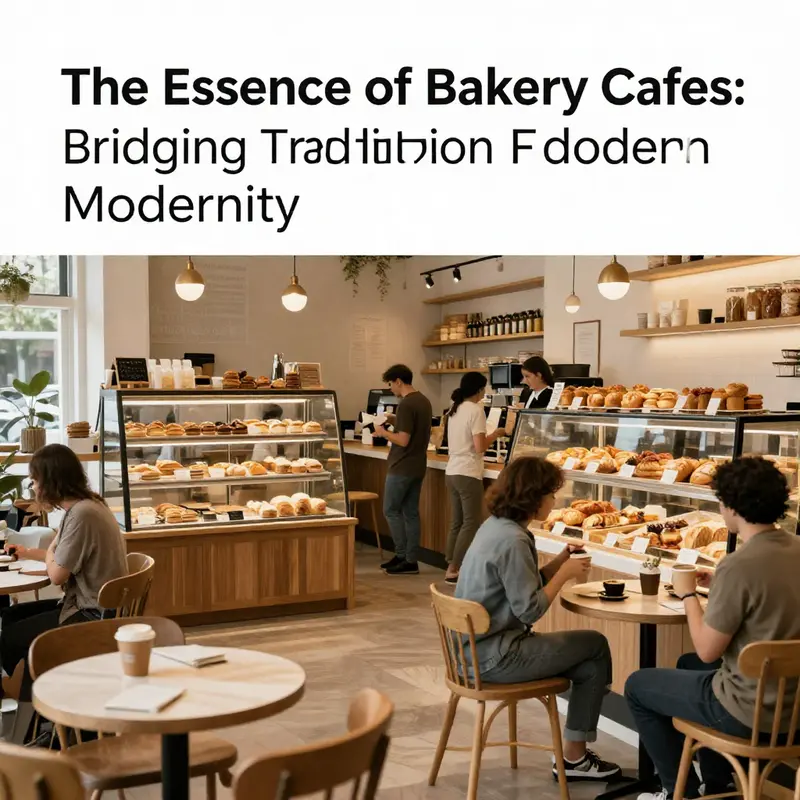
Bakery cafes have emerged as more than simply places to buy bread and pastry. They are comfortable rooms of memory and everyday ritual, spaces where the rhythm of a city slows enough for people to notice the scent of warm dough, the hiss of milk steaming, and the soft murmur of conversation. In this century, these hybrids have become cultural hubs that fuse craft, wellness, and social connection. They invite customers to linger, to observe the artistry of the oven, and to feel part of a larger story about food that values transparency, community, and beauty as much as taste. The modern bakery cafe is not merely a storefront; it is a lived experience that redefines what it means to eat well, to drink mindfully, and to spend time in a place that welcomes us to slow down while still supporting our busy lives.
At the heart of this transformation lies a shift in consumer expectations. People today seek more than convenience; they want their food to reflect their values. They want ingredients that are fresh, traceable, and prepared with care. They want to know where their food comes from, how it is made, and why it matters. In many bakery cafes, this translates into a menu that foregrounds fresh, raw options and a commitment to organic, gluten free, dairy free, or cane sugar free preparations. The idea is not to restrict pleasure but to expand it through clarity and choice. When a bakery cafe embraces such options, it is sending a message about nourishment as an active, ethical practice. It signals that eating well is compatible with wellness, energy, and vitality, rather than being a tradeoff between taste and conscience. Consumers walk away feeling nourished not only in body but also in mood and spirit, energized rather than weighed down by what they have eaten. This sense of vitality has become a defining feature of modern food culture, one that bakery cafes have embraced with enthusiasm and sincerity.
The design of the space reinforces this shift. Display cabinets that once served a merely functional role have become central storytelling devices. They do more than protect delicate goods; they convey the brand’s values and personality. A cabinet dressed in rustic wood evokes a sense of heritage and craft, inviting customers to reminisce about bread from a grandmother’s kitchen. In contrast, a sleek, refrigerated display can highlight the freshness and precision of the baking process, underscoring a commitment to quality and modern technique. The result is a cohesive atmosphere in which the aesthetic and the culinary work are inseparable. This intentional design extends beyond the cabinet itself to lighting, seating, and the flow of space. Natural light, comfortable chairs, and warm textures create an inviting backdrop for conversation, study, or simple contemplation. In such environments, a pastry can be enjoyed for its texture and scent as much as for its flavor, while a cup of coffee becomes a moment of pause in a busy day.
Global trends play a quiet yet persistent role in shaping what bakery cafes offer and how they present it. Bakers are increasingly treating baking as a vehicle for storytelling, using fermentation techniques, alternative flours, and botanical ingredients to craft items that reflect diverse culinary heritages and contemporary dietary needs. Fermentation adds depth and complexity to breads and pastries, while alternative flours open doors for those seeking lower gluten options or novel textures. Botanical ingredients—such as herbs, flowers, and plant extracts—bring aroma and brightness that transform a simple croissant into a narrative of seasonal abundance. These innovations are not mere curiosities; they are practical responses to a world that prizes inclusivity, sustainability, and responsible sourcing. Menus in progressive bakery cafes mirror this ethos, presenting a spectrum of choices that invites guests to explore without feeling judged for their dietary choices. The result is a dining culture that feels both sophisticated and approachable, a space where people can enjoy a pastry crafted with scientific rigor and a sense of wonder about what makes life sweet.
This evolution also reflects a broader cultural longing for nourishment that transcends taste alone. Bakery cafes are increasingly viewed as places of education and mindfulness. In addition to serving food and drink, they host conversations about ingredients, production methods, and environmental impact. Guests may learn about seasonality, the importance of local sourcing, and how small changes in a recipe can reduce waste or improve nutrition. Such educational undercurrents enrich the experience and contribute to a sense of community responsibility. People come to these cafes not only to satisfy hunger but to engage with ideas about how food can contribute to a healthier planet and a healthier self. The social fabric around these spaces grows stronger as neighbors, coworkers, and families share time there, exchange recommendations, and build relationships that extend beyond a single purchase. In this way, bakery cafes function as civic nodes, soft power centers where everyday acts of eating become occasions for connection and shared meaning.
This sense of connection is enhanced by how customers choose to use the space. A bakery cafe is a versatile backdrop for a wide range of activities: a morning ritual of caffeine and pastry before work, a midday escape for a quick bite or a consult with a colleague, or a late afternoon tea that accompanies a quiet moment of reading. The flexibility of the environment—offering both on-site enjoyment and take-out options—aligns with modern rhythms of life. It supports people who want a reliable place to nurture focus, ideas, or friendship, without the pressure of a formal restaurant. In such settings, nourishment becomes a communal act rather than a solitary one, and the experience of eating is inseparable from the social rituals that surround it.
Within this landscape, the relationships between baker, barista, and guest are crucial. The craft of baking is a conversation conducted through pastry, bread, and pastry’s accompaniment—coffee and tea. Each item is the result of choices about ingredients, technique, timing, and presentation, all of which speak to a shared commitment to quality. The barista’s role is equally important, translating roasted beans and steamed milk into an energy that sustains conversations, work, and study. The guest becomes part of a feedback loop, their preferences and reactions shaping future offerings. This collaborative dynamic is a signature of the bakery cafe ethos, a reminder that food culture is not a one-way street but a living dialogue among producers, sellers, and tasters who share a common space and a common appetite for improvement.
The idea of nourishment in this context extends beyond the plate. It encompasses the emotional and sensory experiences that accompany eating. The aroma of freshly baked bread, the gentle crackle of a crust, the silky mouthfeel of a custard, the steam rising from a latte—all these elements combine to create a multisensory event. People often leave with more than a pastry tucked into a bag; they leave with a moment of balance, a mental reset, and a sense of well-being that lingers through the day. This holistic sense of nourishment aligns with a growing cultural emphasis on wellness as an integrated lived experience, rather than a set of isolated indulgences. Bakery cafes, by design, invite this kind of immersion, turning a simple snack into a small but meaningful act of care for the self and for others.
The practical implications for the industry are significant. Bakery cafes influence how communities imagine food as a social practice and how they understand value. They demonstrate that high quality, ethical sourcing, and thoughtful presentation can coexist with everyday affordability and accessibility. They show that a space can be both cozy and efficient, both generous and precise. For readers exploring how a bakery cafe differs from a traditional bakery or a conventional cafe, the answer lies in this blend of craft, hospitality, and narrative. It is this fusion that creates a loop of value: customers invest in experiences that feel personal and responsible, while operators invest in equipment, staff training, and sustainable practices that ensure those experiences endure.
For those who want a concrete example of how a bakery cafe can fuse comfort with ethical sourcing while remaining deeply human, consider the concept of a space that highlights fresh, raw, organic, gluten-free, dairy-free, and cane sugar-free options. A thoughtful menu places these items alongside more traditional offerings, making the healthy choices visible rather than restrictive. Such configuration signals to guests that wellness and pleasure are not mutually exclusive. It invites experimentation and reduces the barrier to trying something new, since curiosity is met with clear information about ingredients and preparation. The impact on food culture is subtle but enduring: it reshapes expectations, normalizes a broader range of dietary options, and reinforces the idea that the best meals are those that honor both taste and ethics.
In closing, bakery cafes stand at a compelling crossroads of gastronomy, design, and social practice. They are places where the craft of baking becomes a language for communicating care, where the cabinet becomes a stage for storytelling, and where the simple act of sharing a pastry can strengthen community bonds. They are laboratories of flavor and culture, inviting people to participate in a broader movement toward transparent sourcing, sustainable practices, and inclusive menus. As such, they offer a window into how food culture is evolving—toward nourishment that is intelligent, responsible, and beautifully human. For readers intrigued by how such spaces embody these values in everyday life, a visit to a nearby bakery cafe can be a quietly transformative experience, a reminder that the way we eat matters as much as what we eat. dulcevida-cafe
From Oven to Ambience: Designing and Running a Bakery Café Experience
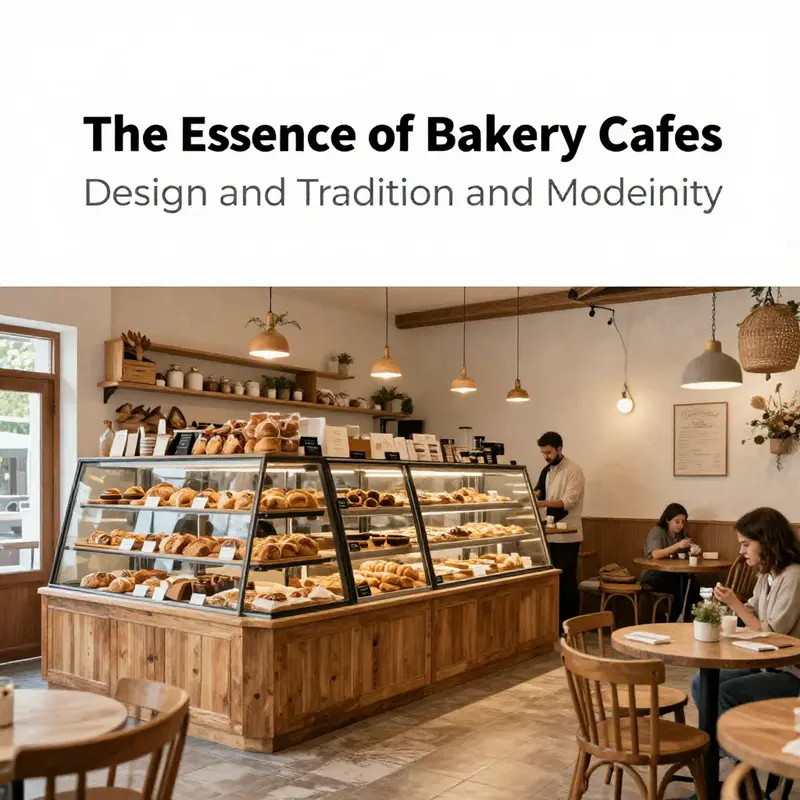
A bakery café is more than a place to buy bread and coffee; it is a lived-in space where scent, sound, light, and touch invite customers to pause and linger. The hybrid concept rests on the conviction that people don’t just want food—they want an environment that feels trustworthy, warm, and human. A well-conceived bakery café blends the discipline of craft with the ease of a casual social venue. It promises freshness in every bite and a certain steadiness in every moment spent there. When these elements align, the bakery side hums with the precision of a production line, while the café side breathes with the spontaneity of a gathering spot. The result is a place that supports a range of activities, from a quick morning pickup to a slow afternoon with a book, a plan, or a conversation with friends.
Design is the first signal of that promise. In many bakery cafés, the layout choreographs movement and mood at once. An open kitchen, often with a glass-front oven or a visible deck where dough transforms into loaves in full view, serves as a performance stage. It speaks to the heart of the craft—the idea that the product is not a mystery but a visible process customers can watch and trust. This transparency matters because it reduces uncertainty about freshness. When a customer sees a bread loaf emerge from the oven, steam curling through the light and a crust crackling just so, they adopt a different relationship with the food they purchase. The sensory payoff—aroma, warmth, and the sight of production—turns shopping into an experience rather than a routine.
The atmosphere then completes the design equation. Warm lighting, natural materials, and a careful balance of textures create a space that feels like a contemporary home rather than a sterile shop. Wood accents, stone counter fronts, and fabrics with gentle tactile depth help soften acoustics and absorb the bustle that inevitably accompanies a busy bakery café. The environment is not merely decorative; it shapes behavior. Comfortable seating arrangements—varied in scale to accommodate individuals, pairs, and small groups—encourage patrons to stay longer, work in place, or socialize. Clear sightlines from the counter to the back kitchen reassure customers about service speed and product quality, while subtle privacy pockets provide intimate corners for longer conversations. In this setting, the bakery’s products are elevated by the setting, not suppressed by it.
To cultivate a sense of place, operators often add personalization touches. Chalkboard menus that can be updated with seasonal offerings, local artwork that changes with the season, and a cadre of indoor plants create a living backdrop that reinforces a neighborhood identity. This attention to detail isn’t vanity; it strengthens trust and memorability. When customers feel they recognize the space as part of their daily landscape, they return not just for what is on the display but for the feeling of being known and welcome. A successful bakery café uses branding as a thread that ties product, service, and space into a coherent whole. The aroma of baking bread, the hiss of the espresso machine, and the soft murmur of conversations all become components of a single, repeatable experience.
In design, the flow matters as much as the look. A strategic layout ensures efficiency for staff without compromising accessibility for customers. The front counter becomes a portal that best showcases the pastry case and coffee program while maintaining service speed. Behind the scenes, an efficient back-of-house configuration minimizes unnecessary movement, keeps workstations clean, and preserves product quality. A well-planned space supports a broad spectrum of tasks—baking, beverage preparation, order fulfilment, and casual dining—without the teams trampling over each other or creating bottlenecks during peak hours.
The operational backbone of a bakery café rests on disciplined processes that harmonize with a flexible, customer-facing environment. Baking cycles are scheduled with precision, aligning production with demand across the day. Early morning rushes demand a steady cadence: doughs that proof on schedule, ovens preheated to exact temperatures, and cold stores organized to minimize wandering for the morning staff. As the day progresses, the bakery might pivot to lighter items—savory pastries, cakes, and cookies—that pair with an evolving beverage program. This shift requires careful forecasting and inventory planning to maintain quality without creating waste. In practice, managers map out daily production windows, assign responsible roles, and implement checklists that ensure consistency from opening to close.
A strong bakery café is not merely about great baking and good coffee; it staffs with intention. Training extends beyond technical baking and barista skills. Staff learn to articulate the brand story, recognize coffee and pastry pairings, and read the room—knowing when to pace service for a calm table or accelerate for a fast takeaway. Service standards become a living guideline, not a rulebook. The personality of the team—friendly, attentive, and unobtrusively knowledgeable—shapes the customer’s perception of quality as much as the product itself. In this sense, the café becomes a teacher of hospitality, showing how warmth can be efficiently delivered without becoming performative.
Digital tools increasingly underpin this blend of craft and care. Inventory management systems track flour, sugar, dairy, and premium ingredients across multiple stages of the supply chain, while POS tech streamlines orders, payments, and loyalty programs. Real-time analytics can reveal which items are most popular at different times of day, enabling dynamic adjustments to production and promotions. Online ordering or delivery extensions meet customers wherever they are, widening the bakery café’s footprint beyond physical walls while preserving the on-site experience for those who choose to visit in person. Technology thus serves the human aim: to offer high-quality food and beverage in a space that feels calm, welcoming, and authentic.
Ingredient sourcing has grown increasingly important in shaping both menu and brand. A bakery café often leans into seasonal and locally sourced components, not only for flavor but for storytelling and community connection. Local suppliers bring ingredients with provenance—flour milled nearby, butter churned within a region, seasonal fruit for preserves—that customers can taste in the final product and trust through consistent quality. This emphasis on local sourcing reinforces a broader ethical stance—one that many guests now expect from hospitality venues. It is not a trend so much as a philosophy: the idea that good food can be produced with respect for farmers, communities, and the ecosystems that sustain them. The same philosophy informs waste reduction practices, from composting and recycling to portion control and repurposing leftover pastry fragments into crumbles or toppings. Every decision in sourcing and waste is a signal to customers about the business’s values.
The market context further shapes how a bakery café designs its space and schedules its operations. Locations in urban centers with dense foot traffic, office corridors, or vibrant shopping districts offer opportunities for high-volume café sales alongside regular pastry purchases. Yet the same density demands a disciplined flow and a comfortable, efficient environment. A bakery café that expects a higher average ticket must balance the premium perception of its pastries with a welcoming environment that invites lingering. The model often thrives where people seek a brief reset or a longer break—a quick coffee before a commute or a quiet afternoon of work with a pastry and a drink. In such places, the café becomes more than a place to eat; it becomes a small, daily ritual that anchors daily routines.
To truly integrate the craft with the culture of a neighborhood, many operators craft a story that invites customers to participate in the bakery’s life. This can take the form of in-store tastings, baking demonstrations, or seasonal collaborations with local artists or musicians. Such engagements deepen loyalty and broaden the appeal beyond a single product category. The space itself becomes a living exhibit of a community’s taste and craft. In this sense, the bakery café operates as both a production hub and a social venue—an intersection where the discipline of baking meets the spontaneity of shared moments.
As you consider the essentials of design and operation, you may encounter a practical paradox: the desire to create an intimate, homey atmosphere while maintaining the efficiency required to serve a steady stream of customers. The answer lies in thoughtful, iterative design and a culture of continuous refinement. Small adjustments in lighting levels, seating arrangements, or pastry case lighting can transform how welcome a space feels and how quickly customers move through it. Equally, ongoing staff development—fostering a sense of ownership and pride in both product and space—keeps the bakery café from becoming merely transactional. When the staff treats each customer as a guest in a well-tuned, well-loved environment, the bakery café’s reputation grows word-of-mouth, turning casual visitors into repeat patrons.
For readers seeking a practical example of how these ideas coalesce in a real place, consider the gentle harmony of spaces that balance craft with comfort. The bakery café, at its best, does not shout its technique; it invites you to notice the bread’s crust, the coffee’s crema, the seat you chose, and the moment you settle in. In that quiet, routine becomes ritual, and a simple purchase becomes part of a person’s daily life. And when a space can respond to changing needs—shifting from early morning rush to an afternoon lull, or adjusting to a large group gathering without losing the intimate feel—it demonstrates that design and operations can be mutually reinforcing rather than competing priorities. The bakery café thus becomes a living system, where production, service, and atmosphere circulate in a loop that sustains both business and community.
To explore these principles further within a broader context of design guidance, you can visit a resource that delves into the technical features, performance, and applications of bakery cafés. dulce-vida-cafe offers a practical lens on how a café component can be integrated with bakery operations while staying true to a local, human-centered ethos. See the discussion at dulce-vida-cafe.
External design insights can also deepen understanding of how these spaces work in practice. For a comprehensive exploration of bakery café design insights, refer to the Bakery Café Design Insights guide: Bakery Café Design Insights.
Final thoughts
Bakery cafes have become essential fixtures in our communities, providing not just culinary delights but also spaces for connection and creativity. As they evolve, their ability to blend the artistry of baking with the comfort and coziness of a cafe continues to resonate with consumers. For business owners, understanding the strategic elements involved in designing and operating a bakery cafe can pave the way for creating a beloved local hotspot that caters to the cravings of modern diners. Embracing this concept could not only enhance your business offering but also contribute to the enriched tapestry of local food culture.