

Opening a cafe bakery is not just a business venture; it’s a delightful journey that allows you to bring joy to your community through the love of baked goods. Imagine the smell of freshly baked bread wafting through the air while patrons savor their morning coffee alongside an irresistible pastry. However, as fulfilling as this dream may seem, it comes with its own set of challenges. From finding the perfect location to developing unique recipes that set you apart, the road to establishing a successful cafe bakery is filled with both excitement and obstacles. Aspiring business owners must navigate inventory management, staff recruitment, and customer service, all while maintaining their passion for baking. In this article, we’ll guide you step-by-step on how to open your very own cafe bakery, exploring the joys of creativity and community alongside the intricacies of running a business. Whether you’re a seasoned baker or a novice in the kitchen, you’ll find valuable tips to help you turn your culinary dreams into a thriving reality. Learn more about the opportunities in the bakery business and get started on this rewarding journey today!
Necessary Permits and Licenses Required to Open a Cafe Bakery
Opening a cafe bakery involves more than just a passion for baking and brewing coffee; it requires acquiring the necessary permits and licenses to ensure your business is legally compliant. Here’s a list of the crucial permits and licenses needed:
1. Business License
A general business license is typically required by your city or county to legally operate your bakery. This license signifies that your business complies with local regulations and is registered to conduct business within the area. For more detailed information, read the Quick Start Guide for Restaurants and Bakeries.
2. Food Service License
Often referred to as a food establishment permit, this license is crucial for any business that prepares food for public consumption. It usually requires an inspection by health officials to ensure you meet food safety standards. Many states require this license before you can serve any food items.
3. Health Department Permit
This specific permit ensures that your bakery complies with health and safety regulations. You will need to pass a health inspection before receiving this permit, which can involve sanitation and food handling practices. Read more about health department requirements here.
4. Certificate of Occupancy
This certificate ensures that the building you’ve chosen for your cafe bakery meets local zoning laws and building codes. It is typically issued by your local government or a designated authority.
5. Fire Department Permit
If your bakery has cooking equipment, you might require a fire department permit to conduct business safely. This could involve an inspection of kitchen equipment and fire safety protocols.
6. Sales Tax Permit
In most states, you will need a sales tax permit if you plan to sell food and beverages taxable at the point of sale. This permit allows you to collect sales tax from customers, which you then remit to the state.
7. Employer Identification Number (EIN)
If you plan to hire employees, you’ll need an EIN from the IRS for tax purposes. This number is also useful for opening a business bank account under your bakery’s name.
8. Special Permits (if applicable)
Depending on your offerings (e.g., caterings, outdoor seating, or alcohol sales), additional permits may be required. Always check local regulations for any specific licenses required for your unique business.
Acquiring the right permits and licenses is crucial for legally establishing your cafe bakery and ensuring the safety of your customers. Make sure to check your local regulations and consult with legal experts to streamline the process effectively.
For a comprehensive view of bakery licenses required in your state, explore resources like Marketing Food Online and Toast.
The Essential Role of Market Research for Launching a Cafe Bakery
Starting a cafe bakery is an exciting venture, but it comes with its own set of challenges and considerations. Market research plays a vital role in ensuring that this journey is not only successful but also sustainable. Understanding your market is fundamental to making informed decisions that can set your cafe bakery apart from the competition.
Importance of Market Research
Market research is the process of gathering, analyzing, and interpreting information about a market, including information about the target audience, competitors, and the overall industry. Here are several reasons why market research is indispensable for new cafe bakery owners:
-
Understanding Consumer Preferences: Research helps identify what customers are looking for in a bakery. Insights into customer preferences can inform product offerings, pricing strategy, and marketing approaches. For instance, many artisanal bakeries are seeing an increase in demand for health-oriented products, such as gluten-free and organic options (Dojobusiness.com).
-
Identifying Trends: Market research reveals current trends in the bakery industry that can affect your business direction. The global bakery industry is expected to grow significantly, projected from $513.17 billion in 2023 to $919.9 billion by 2032, indicating robust opportunities (Toast Blog). Knowing these trends allows you to align your offerings accordingly.
-
Understanding Competition: Assessing competitor performance and strategies can help new cafe bakery owners find gaps in the market. This includes understanding their product range, pricing strategies, and customer service standards. Customizing your business approach based on this analysis can enhance your market position.
-
Defining Your Brand: Market research can aid in defining your target demographic and the brand image you want to portray. This will help you create a cohesive marketing plan that resonates with your audience and establishes your identity in the bakery market.
-
Minimizing Risks: By gathering relevant data, you can make informed decisions that help minimize risks associated with entering a new market. Understanding potential barriers or challenges in your local area can be crucial.
Data to Gather
When conducting market research for your cafe bakery, consider collecting the following data:
- Demographic Data: Age, gender, income level, and lifestyle preferences of your potential customers.
- Location Analysis: Assess the geography of your business location. How many potential customers are nearby? Are there competitors along with their customer base?
- Consumer Trends: Awareness of baking trends, such as increases in health-conscious eating or preferences for locally-sourced ingredients (Grand View Research).
- Survey Feedback: Conducting surveys can yield direct insights from potential customers regarding their preferences, spending habits, and product interest.
How Market Research Informs Business Decisions
The data gathered through market research doesn’t just sit idle; it directly informs key business decisions:
- Menu Development: Understanding customer preferences helps tailor your menu according to what’s popular or trending.
- Pricing Strategy: Knowing the competitive landscape and consumer willingness to pay can guide how you price your products effectively.
- Marketing Strategies: Clearly defining who your target audience is will help you craft compelling marketing messages that resonate with potential customers.
In conclusion, thorough market research is not merely a formality; it is a foundational element that can determine the success of your cafe bakery. As you embark on this exciting journey, ensure that you gather the right data and insights to make informed decisions every step of the way. For more information and options, check out Dulce Vida Bakery.
By understanding the market, you position your cafe bakery to not only meet but exceed customer expectations and foster long-term growth.
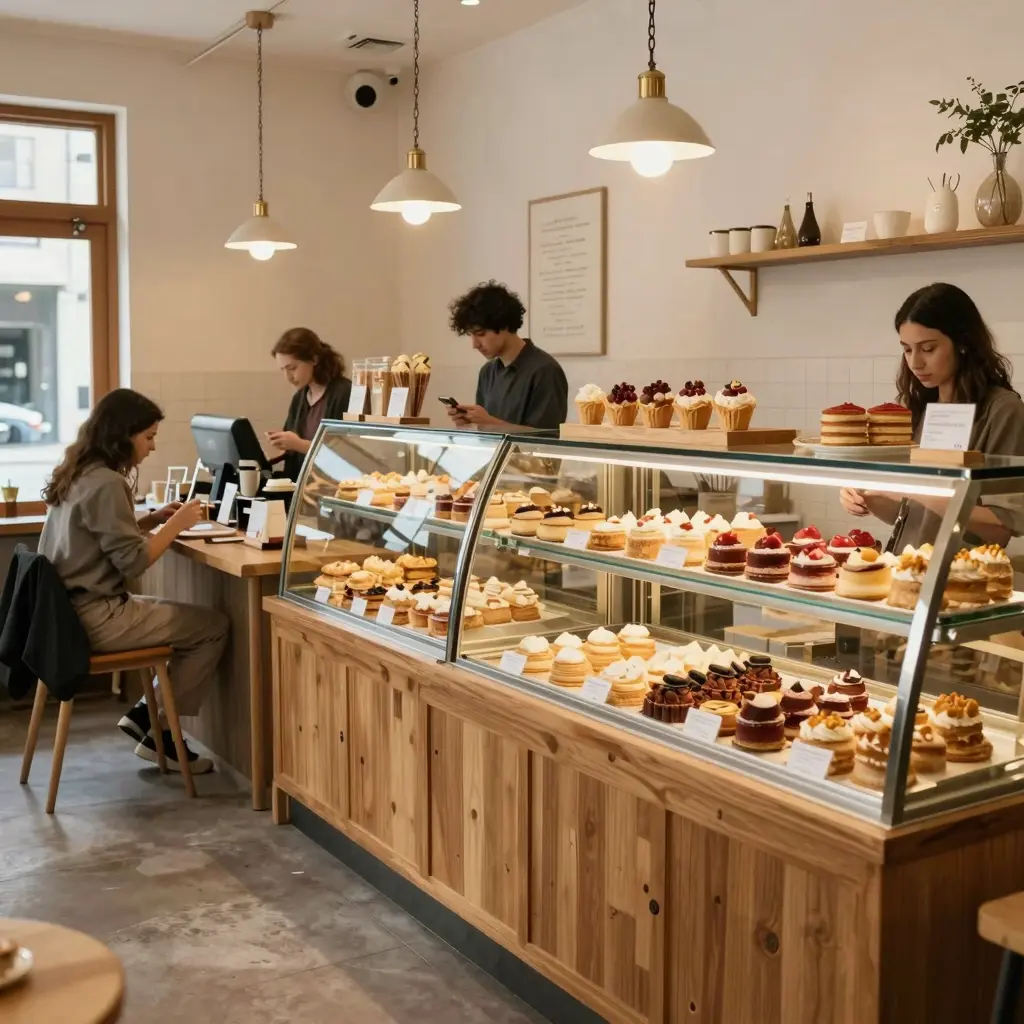
Business Plan Template for Café Bakeries
Starting a café bakery requires careful planning and a comprehensive business strategy. Below is a detailed outline of a business plan tailored for café bakeries. This template includes all essential sections, covering aspects from market analysis to financial projections.
1. Executive Summary
- Business Name and Location: Specify the name of the café bakery and its location.
- Mission Statement: A brief description of the café bakery’s purpose and values.
- Vision: What you aspire for your café bakery to achieve in the future.
- Objectives: Outline short-term and long-term objectives.
- Management Team: Identify key management personnel and their roles.
2. Business Description
- Industry Overview: A brief overview of the café and bakery industry, referring to growth trends. (See Grand View Research for current market stats.)
- Business Structure: Specify the type of business entity (e.g., LLC, Sole Proprietorship).
- Unique Selling Proposition: What sets your café bakery apart from competitors?
3. Market Analysis
- Target Market: Define your ideal customers and their demographics.
- Market Trends: Discuss relevant trends impacting the café and bakery industry (e.g., demand for organic ingredients, growth of specialty coffee).
- Competitive Analysis: Analyze competitors in the area, identifying their strengths and weaknesses. (Refer to the detailed trends report from Mordor Intelligence).
4. Marketing Strategy
- Branding Strategy: How will you position your café bakery in the market?
- Promotion: Outline promotional strategies such as social media, local events, or collaborations.
- Sales Strategy: Discuss how products will be sold (in-store, online, delivery).
- Customer Retention Strategies: Outline plans for maintaining customer loyalty.
5. Operations Plan
- Facility Requirements: Describe the physical space required for the café bakery.
- Equipment Needs: List equipment necessary for baking and service (ovens, mixers, display cases).
- Suppliers: Identify suppliers for ingredients and other critical supplies.
- Staffing Plan: Discuss hiring requirements and employee roles.
6. Financial Projections
- Startup Costs: Itemize all startup expenses (equipment, renovations, licenses).
- Sales Forecast: Project sales for the first three years.
- Profit and Loss Projection: Provide a breakeven analysis and expected profits/losses.
- Funding Requirements: Determine how much capital is needed and potential funding sources. (For guidance, refer to WebstaurantStore).
7. Appendices
- Supporting Documents: Include any additional information, charts, or documents that support your business plan.
This detailed business plan template will serve as a roadmap for launching and managing your café bakery successfully. It’s a vital tool for attracting investors and ensuring that your business stays on track to meet its objectives.
Comparing Cafe Bakery Models
Here’s a comparison table of different cafe bakery models, including their pros and cons. This information will help business owners choose the right path for their establishment.
| Model | Pros | Cons |
|---|---|---|
| Franchise | – Established brand recognition – Franchise support and training – Proven business model – Easier access to financing |
– Higher initial costs (franchise fees) – Ongoing royalty fees – Limited creative freedom |
| Independent | – Full creative control – Potential for lower start-up costs – Ability to connect deeply with the local community |
– Requires self-sufficiency – Harder to compete with established brands – More risk involved |
| Co-op | – Strong community ties – Collective decision-making and ownership – Shared operational costs and tasks |
– Slower decision-making processes – Dependence on member participation – Conflicts among members |
| Pop-up | – Low overhead costs – Flexibility in location and offerings – Opportunity to test market demand |
– Limited operating duration – Challenges in building a loyal customer base – Possible logistical issues |
| Mobile Cafe | – Lower start-up costs – Flexibility in locations – Ability to reach different markets |
– Limited menu offerings – Dependence on weather and events – Regulations and permits can be challenging |
This table provides a concise overview of various cafe bakery models, drawing on insights from various online sources including Global Franchise Magazine and The Balance Small Business.
If you’re interested in learning more about how to start a successful cafe bakery, consider checking out our guide on starting a bakery cafe business.
Financing Options for Opening a Cafe Bakery
Starting a cafe bakery can be an exciting yet daunting venture, especially when it comes to financing. This article explores various financing options available to aspiring entrepreneurs looking to open a cafe bakery.
1. Loans
Loans are a common financing option for those looking to start a bakery. Many banks and financial institutions offer loans specifically designed for small businesses, including bakeries.
- Government-Backed Loans: Some organizations provide loans with favorable terms for business owners, like the SBA (Small Business Administration).
- Traditional Bank Loans: These usually require a solid business plan and financial history.
For more detailed information on bakery loans, you can refer to Lendingkart’s guide on financing.
2. Grants
Unlike loans, grants provide direct funding that does not need to be paid back. Various government programs and private organizations offer grants to help small businesses, including those in the food and beverage sector.
- Local Grants: Many local governments provide grants to encourage entrepreneurship in their communities.
- Food and Beverage Initiatives: Some grants specifically target businesses that promote sustainability in the food industry.
3. Crowdfunding
Crowdfunding has become a popular method for startup funding, especially for food-related businesses. By leveraging platforms like Kickstarter or GoFundMe, entrepreneurs can present their bakery concept and attract donations from individuals.
- Equity Crowdfunding: Allowing backers to take an equity stake in the business.
- Reward-Based Crowdfunding: Offering rewards or incentives to backers, such as free baked goods or merchandise.
To understand how crowdfunding works effectively, you can check out this U.S. Chamber of Commerce guide to crowdfunding.
Financing Options Breakdown
Financing a cafe bakery can be visualized in terms of the breakdown of available funds:
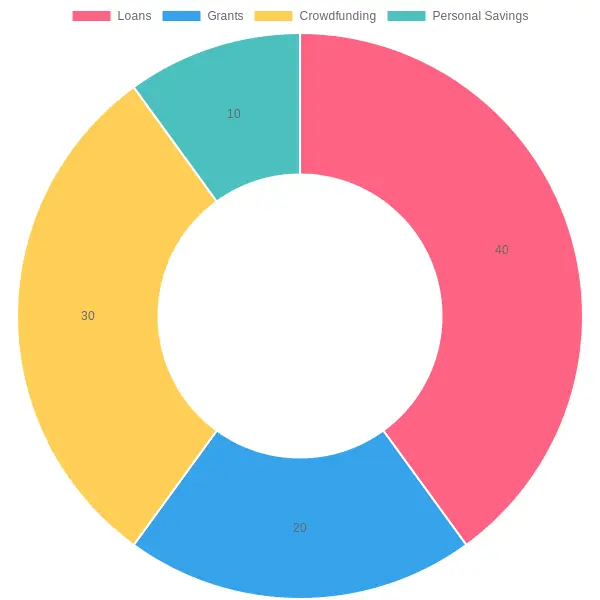
| Financing Option | Percentage |
|---|---|
| Loans | 40% |
| Grants | 20% |
| Crowdfunding | 30% |
| Personal Savings | 10% |
4. Personal Savings
Using personal savings is another viable option. While it requires a financial commitment, it does not involve the complexities of loans or investors. Saving enough capital before starting can provide a significant advantage and reduce reliance on external funding.
5. Startup Costs
Understanding the average startup costs is crucial when planning your bakery business.
According to various sources, the expected costs to open a bakery can range between $100,000 and $300,000, depending on the location, size, and offerings of the cafe bakery. Here’s a brief breakdown of typical startup costs:
| Expense Category | Cost ($) |
|---|---|
| Equipment | 30,000 |
| Licenses | 5,000 |
| Inventory | 20,000 |
| Marketing | 10,000 |
| Staffing | 15,000 |
| Total Estimated Cost | 80,000 |
For even more insights on startup costs in cafes and bakeries, visit Bakery Business Boss.
Conclusion
Financing for a cafe bakery can come from various sources, whether it’s through loans, grants, crowdfunding, or personal savings. Carefully weighing these options and planning for potential costs will help to set your cafe bakery on the path to success. Remember, thorough research and preparation can make a significant difference in the journey to opening your cafe bakery!
Successful Case Studies of Cafe Bakeries
Opening a successful cafe bakery requires a blend of exceptional products, engaging customer experiences, and effective business strategies. This article explores three successful cafe bakeries-Girasol Cafe, Monginis, and a broader insight into cafe bakery operations-highlighting their strategies and the key factors that contributed to their successes.
Girasol Cafe
Girasol Cafe has carved a niche in the competitive bakery market by focusing on freshly baked goods and a warm customer experience. Here are the key elements that make Girasol Cafe successful:
- Freshly Baked Goods: Girasol emphasizes the quality and freshness of its products, ensuring that customers receive delicious and appealing offerings.
- Customer Experience: The cafe fosters a community atmosphere by engaging with customers and being responsive to their preferences, which cultivates loyalty.
Watch Girasol’s success story here.
Monginis
Established in Kolkata, Monginis is a well-known bakery retailer with a remarkable franchise model that has led to its expansive growth:
- Franchise Model: Starting as a single bakery in 1982, Monginis now boasts over 100 franchises, showcasing its effective business model that allows for rapid expansion.
- Wide Product Range: The bakery offers a diverse collection of baked goods, catering to various tastes and ensuring that there is something for everyone.
You can read more about Monginis and its growth here.
General Successful Strategies for Cafe Bakeries
Common success strategies among various bakery cafes include:
- Quality and Variety: Offering high-quality products with a variety to cater to different customer preferences.
- Engagement and Community Building: Fostering a strong sense of community through customer engagement and special events that bring people together.
- Effective Use of Online Platforms: Utilizing social media to create excitement about their offerings and engage with customers beyond the physical storefront.
- Adaptability: Successful bakery cafes stay updated on market trends and are willing to adapt their offerings accordingly.
Conclusion
The success of cafe bakeries like Girasol and Monginis illustrates that a combination of quality products, effective engagement with customers, and a solid business model can lead to sustainable success. Aspiring bakery owners can learn from these case studies by implementing similar strategies within their businesses, adapting them to fit their unique brand and community.
To further explore tips and guidance on running a successful bakery, consider reading about how to start a bakery cafe business.
Here is a visual representation of the key success factors:
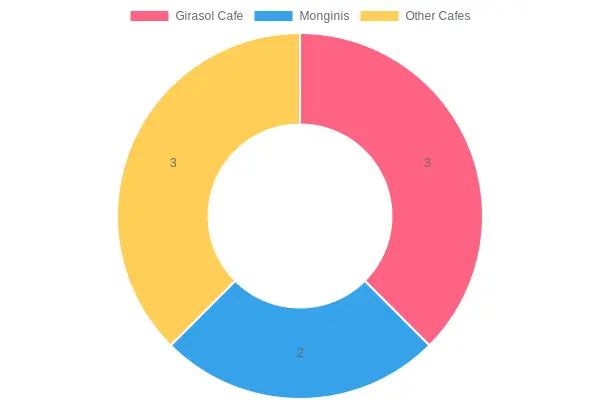
| Bakery | Years in Operation | Key Strategies | Key Success Factors |
|---|---|---|---|
| Girasol Cafe | Not specified | Freshly baked goods, focus on customer experience | High-quality products, local sourcing |
| Monginis | Not specified | Wide range of products, franchise model | Strong brand recognition, customer loyalty |
| Other Cafes | Not specified | Varies by location (e.g., unique offerings, events) | Engaging community, adaptability |
Effective Marketing Strategies for Cafe Bakeries
Opening a cafe bakery requires a clear marketing strategy to attract and retain customers. Here are several effective marketing strategies that can help you succeed in this competitive industry:
1. Leverage Social Media
- Platforms: Utilize popular platforms like Instagram, Facebook, and TikTok. Share vibrant images of your baked goods to entice potential customers. Instagram stories and reels can showcase daily specials, behind-the-scenes baking processes, and customer testimonials.
- Engagement Strategies: Engage your audience with polls, questions, and giveaways. For instance, you can host a photo contest where customers share images of their favorite items from your bakery.
- Influencer Collaborations: Partner with local food influencers to reach a wider audience. Influencers can help promote your brand through authentic reviews and enticing visuals.
2. Develop Local Partnerships
- Collaborate with Other Local Businesses: Create partnerships with coffee shops, restaurants, or event venues to offer your products. This helps increase your reach and build community relationships.
- Participate in Local Events: Set up a booth at local markets or festivals. This not only allows you to sell your products but also helps you connect with the community and gain brand exposure.
3. Implement Promotions and Loyalty Programs
- Special Promotions: Run seasonal promotions and discounts. Special holiday-themed baked goods can attract customers during festive seasons. Consider bundling products-for example, a free drink with a pastry purchase.
- Loyalty Programs: Establish a loyalty program to encourage repeat business. Offer points for every purchase that can be redeemed for free items or discounts after a certain number of visits. This encourages customers to return frequently.
4. Build an Online Presence
- Website Development: A user-friendly website is essential. Include an online ordering system for pick-up or delivery services. Ensure your website is mobile-responsive, as many customers will access it via their smartphones.
- Search Engine Optimization (SEO): Optimize your website content to rank higher in search engines. This includes using keywords related to your products and location. Learn more about boosting your bakery’s digital presence.
5. Customer Feedback and Community Engagement
- Surveys and Feedback: Regularly ask for customer feedback through surveys. This helps you understand customer preferences and improve your offerings.
- Community Involvement: Sponsor local events or charity initiatives. Being an active participant in community activities allows you to engage with potential customers and enhances your bakery’s reputation.
Conclusion
Effective marketing strategies for your cafe bakery encompass a combination of social media presence, local collaborations, and customer loyalty programs. By creatively promoting your bakery and engaging with your community, you can establish a loyal customer base and increase sales.
Conclusion: Your Journey to a Successful Cafe Bakery
Opening a cafe bakery is a thrilling venture that combines the allure of delectable baked goods with the charm of a cozy gathering space. In this article, we discussed crucial elements to consider when embarking on this journey:
- Concept Development: Clarity in your cafe’s concept is vital. Focus on a unique theme or type of baked goods that sets your bakery apart from competitors. As advised by Toasta, understanding your target audience helps tailor your offerings.
- Business Planning: A well-structured business plan is essential for navigating the complexities of starting a bakery. This includes understanding your market positioning, as highlighted in various resources that cover key steps and tips for launching a successful bakery, such as those found on Beambox.
- Operational Dynamics: Balancing quality and customer service is key. Establishing strong operational systems can significantly reduce risks associated with running a bakery.
Moreover, the benefits of owning a bakery include potential for higher earnings and personal satisfaction from doing what you love. As explored in Harlem World Magazine, buying an existing bakery can offer quick revenue and established systems that ease your entry into the business.
In summary, opening a cafe bakery is not just about pastries; it’s about creating an atmosphere that invites the community in and welcomes them with warmth. Your passion and vision can lead to a successful and fulfilling business.
If you are ready to take the next step in opening your own cafe bakery, don’t hesitate to contact us at Dulce Vida Bakery for expert guidance and support. Your dream bakery is just a step away!