
Introduction: The Sweet Appeal of Bakery Cafes
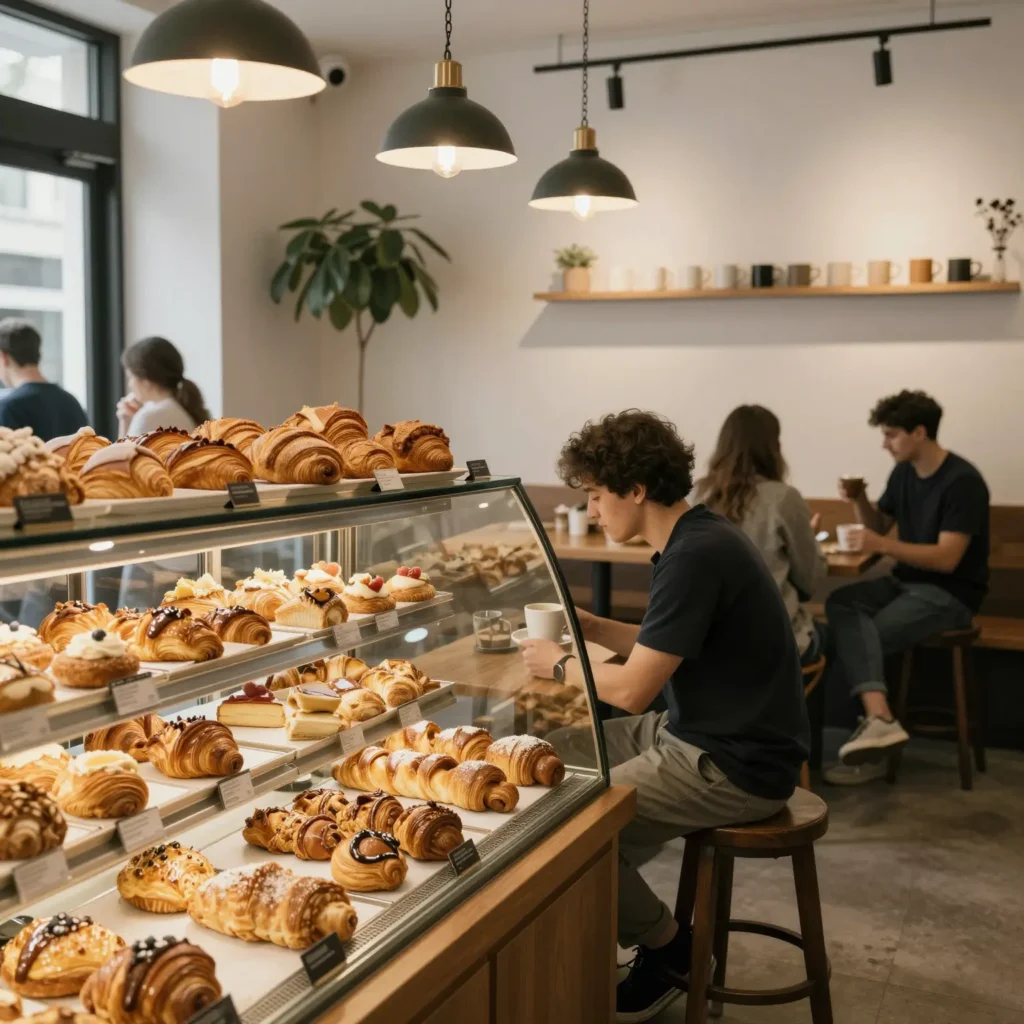
In a world that often rushes by, few experiences rival the cozy charm of a bakery café. The aroma of freshly baked goods wafts through the air, weaving a tapestry of warmth and nostalgia. It’s a place where joy meets community-friends gather over steaming lattes, families share stories over pastries, and individuals find solace in a slice of cake. The joy of baking, with its transformative power to create rather than just consume, resonates deeply within us. For aspiring entrepreneurs, the allure of opening a bakery café is more than just the delicious treats; it’s about building a space that brings people together. However, the road to launching this dream venture is paved with important considerations, particularly when it comes to costs and planning. Understanding the financial investment involved is crucial to setting up a successful bakery café. In this article, we will explore the various costs associated with starting a bakery café and the essential planning tips that ensure your sweet endeavor thrives. To get started on the journey, read more about launching a successful bakery.
Startup Costs for a Bakery Cafe
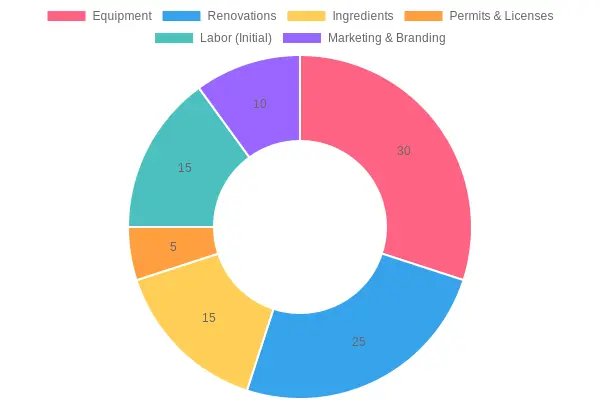
Starting a bakery cafe requires careful financial planning to ensure all costs are accounted for. Below is a breakdown of the main categories of startup costs to consider. Understanding these elements will help you create a realistic budget and ensure you don’t overlook critical expenses.
-
Equipment: This is often one of the largest expenses for a bakery cafe. Equipment costs can include ovens, mixers, refrigerators, espresso machines, countertops, and display cases. The estimated percentage of startup costs for equipment is around 30% according to the Small Business Administration.
-
Renovations: The physical space will likely need modifications such as new flooring, paint, decor, and layout adjustments to fit your cafe vision. Renovation costs can account for up to 25% of your total startup expenses. Effective design can significantly impact customer satisfaction and sales.
-
Ingredients: Initial stock of ingredients is necessary for operations. This includes flour, sugar, dairy products, and fresh produce, which together typically represent 15% of startup costs. Building a strong foundational inventory is crucial for ensuring quality products right from the start.
-
Permits & Licenses: Operating a bakery cafe requires various permits, including health permits, food licenses, and business licenses. These legal fees can make up about 5% of your budget. Ensuring you address all compliance needs early on can save headaches later.
-
Labor: The initial payroll for hiring staff should be factored into the plan. This includes salaries, wages, and training costs, representing approximately 15% of your startup costs. Hiring the right team is essential for providing quality service and keeping operations running smoothly.
-
Marketing & Branding: To attract customers, a strong marketing campaign is vital. Allocating about 10% of your budget here can cover expenses for branding materials, promotional activities, and advertising campaigns. Building a recognizable brand and effective outreach can elevate your customer base significantly.
By paying attention to these key categories of startup costs, you can better prepare for launching and maintaining a successful bakery cafe. Proper financial management from the outset can lead to sustained success in the ever-competitive food business landscape. For a detailed overview of starting your own bakery cafe, read more about our experience at Dulce Vida Bakery.
Conclusion
Opening a bakery cafe is an exciting endeavor, but it requires thorough planning and budgeting. Make sure to account for all startup expenses and be prepared to adapt your plans based on actual expenses and changing conditions. Good luck with your baking venture!
Average Costs of Essential Bakery Equipment
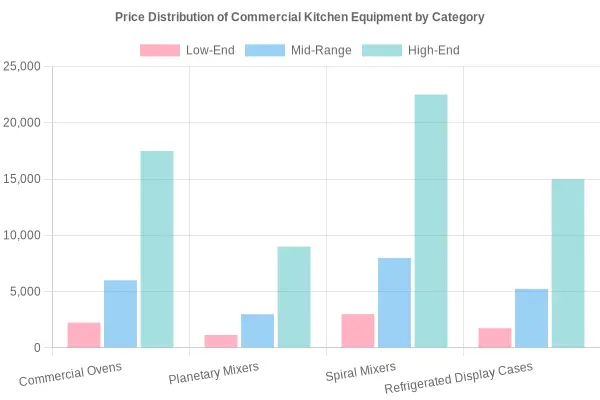
Starting a bakery cafe involves significant investment in various types of equipment. Here’s a breakdown of the average costs associated with essential bakery equipment like ovens, mixers, and refrigeration systems, categorized into low-end, mid-range, and high-end options.
Bakery Equipment Cost Overview
| Equipment Type | Low-End ($) | Mid-Range ($) | High-End ($) | Source |
|---|---|---|---|---|
| Commercial Ovens | $1,500 – $3,000 | $4,000 – $8,000 | $12,000 – $25,000+ | Bakery Equipment |
| Planetary Mixers | $800 – $1,500 | $2,000 – $4,000 | $6,000 – $12,000+ | Bakery Equipment |
| Spiral Mixers | $2,000 – $4,000 | $6,000 – $10,000 | $15,000 – $30,000+ | Bakery Equipment |
| Refrigerated Display Cases | $1,000 – $2,500 | $3,500 – $7,000 | $10,000 – $20,000+ | Bakery Equipment |
These prices are estimates in USD as of 2026 and may fluctuate based on brand, capacity, power, energy efficiency, and location. Installation and shipping costs are typically not included.
Key Insights
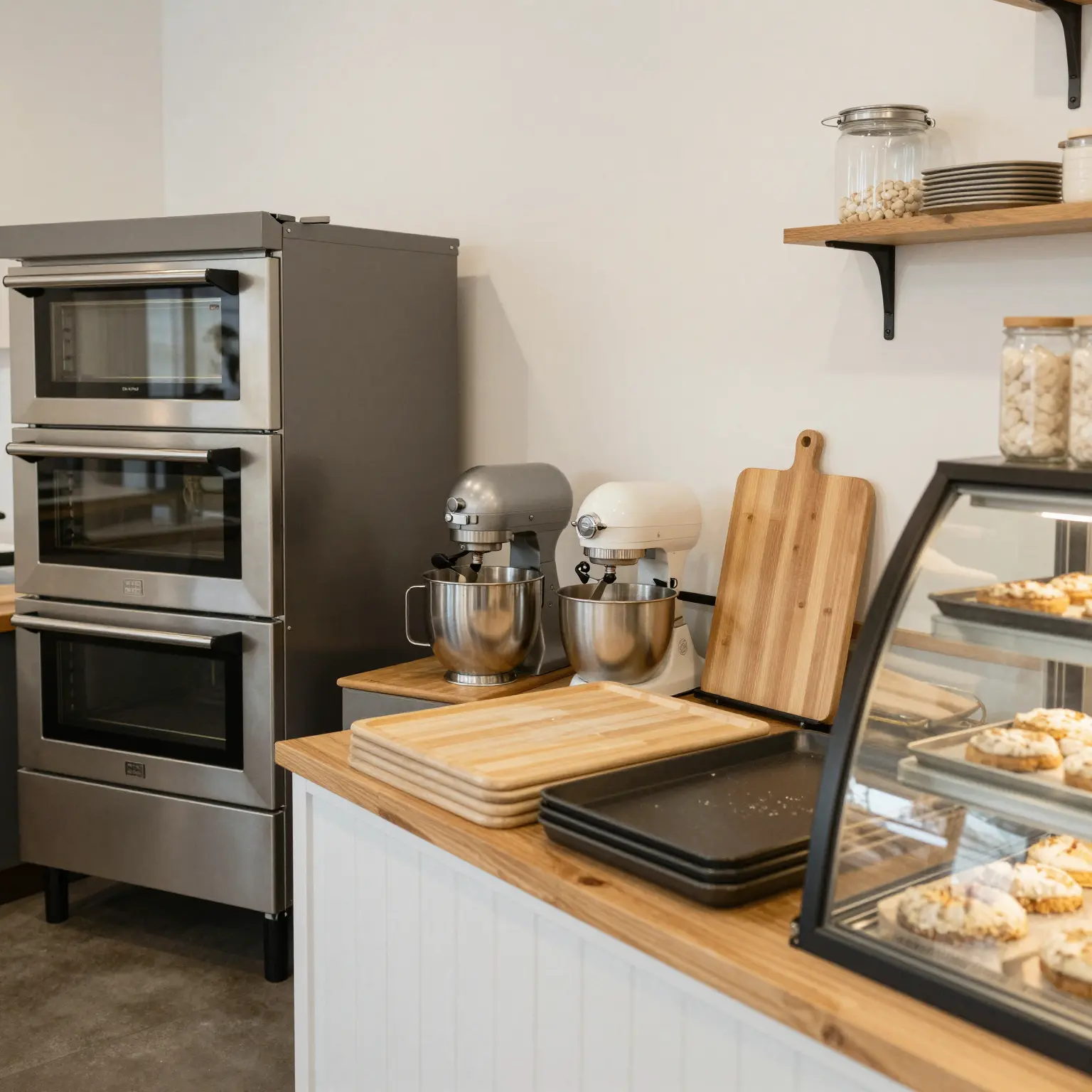
- Commercial Ovens: Ovens remain one of the largest expenditures in any bakery. Depending on the type and volume of baking, the price can range significantly. A low-end oven starts at around $1,500, while more advanced models can exceed $25,000 for high-capacity systems.
- Mixers: Mixers are essential for dough preparation. Planetary mixers are more affordable, with prices starting at $800, but investing in a spiral mixer for larger volumes could cost up to $30,000.
- Refrigeration: Proper refrigeration is crucial for both ingredients and finished products. The cost for refrigerated display cases varies, with low-end options starting at $1,000 to over $20,000 for high-end showcases.
Having a clear understanding of these equipment costs can help prospective bakery owners better plan their budget and ensure they have the necessary resources to launch successfully. For more insights into bakery startup costs, learn more about the essentials here.
Estimated Startup Costs for Bakery Cafes
When considering launching a bakery cafe, understanding the startup costs is crucial. Below is a comparative table that breaks down the estimated startup costs for different types of bakery cafes based on the latest data.
| Type of Bakery Café | Estimated Startup Costs (USD) | Detailed Cost Breakdown |
|---|---|---|
| Small Bakery Café | $100,000 – $200,000 | – Equipment: Ovens, coffee machines, mixers, refrigerators, etc. ($50,000 – $90,000) |
- Rent & renovations for small space (500-800 sq ft) ($30,000 – $60,000)
- Initial ingredients & packaging costs ($10,000 – $20,000)
- Permits & legal fees ($2,000 – $5,000)
- Marketing & opening promotions ($5,000 – $10,000) |
| Medium Bakery Café | $250,000 – $500,000 | – High-end equipment: Commercial ovens, multi-head coffee machines, automated bread machines ($100,000 – $180,000) - Rent & extensive renovation for medium space (800-1,200 sq ft) ($60,000 – $120,000)
- Initial inventory & supply chain setup ($20,000 – $40,000)
- Staff training & hiring costs ($15,000 – $30,000)
- Digital systems (POS, website) ($10,000 – $25,000)
- Marketing & brand establishment ($20,000 – $40,000) |
| Large Bakery Café | $680,000+ | – Full industrial equipment: Large ovens, automated production lines, specialty coffee production ($200,000 – $350,000) - Sizeable rental & luxury remodeling (1,200-2,000 sq ft) ($150,000 – $250,000)
- Raw materials & cold chain systems ($50,000 – $100,000)
- Expanding workforce (chefs, bakers, managers, staff) ($50,000 – $100,000)
- Intelligent management systems ($20,000 – $50,000)
- Regional advertising and media collaborations ($30,000 – $70,000) |
| Specialty Bakery Café | $700,000+ | – Custom equipment: Artisan tools, unique fermentation systems, upscale display cabinets ($250,000 – $400,000) - Unique space design & premium materials (natural stone, custom wood) ($150,000 – $300,000)
- High-end ingredients & organic certification ($50,000 – $100,000)
- Specialized team (including chefs, food scientists) ($60,000 – $120,000)
- Brand story development & immersive experience design ($40,000 – $80,000)
- Global marketing & social media influencer strategy ($50,000 – $100,000) |
Data Sources:
In summary, the startup costs for a bakery cafe can vary significantly based on size and specialization. New business owners should carefully consider their budget and location, as these factors heavily influence overall expenses. For more insights, learn about starting a bakery or find resources tailored for bakery startups.
Location Impact on Bakery Cafe Startup Costs
When considering the startup costs for a bakery cafe, the location plays a pivotal role in determining expenses related to rent and operational viability. Urban and rural settings present starkly different financial landscapes, each with its unique advantages and challenges.
Urban Settings
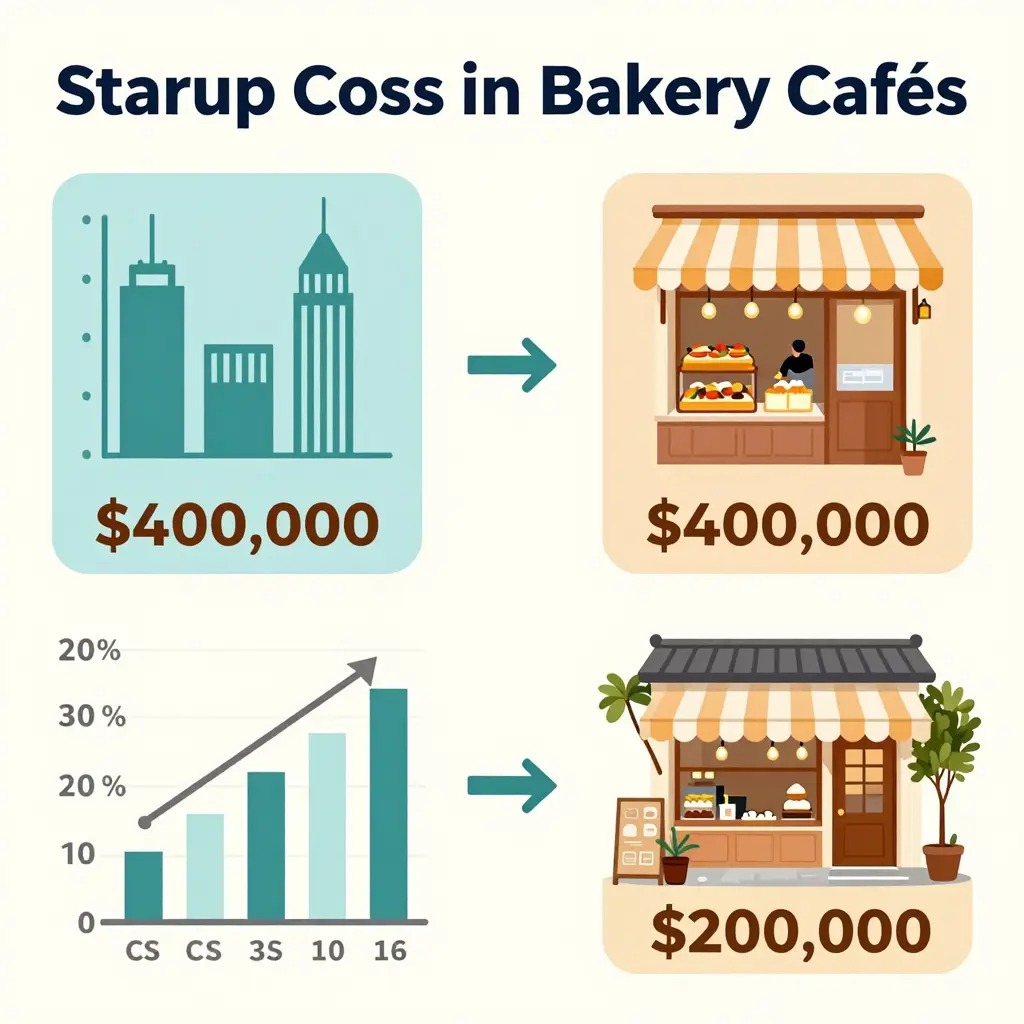
In urban areas, startup costs for bakery cafes can average between $400,000 and $500,000. According to reports from the U.S. Small Business Administration, urban locations tend to be significantly more expensive-often 30-50% higher due to factors like elevated real estate prices, increased labor rates, and stringent regulatory compliance. For example, the average commercial rent in major cities can range from $45 to $80 per square foot, resulting in substantial annual costs. A 1,200 sq ft facility could incur rent expenses of $50,000 to $80,000, which includes not just rent but utilities and other related overheads.
Benefits of Urban Locations:
- High foot traffic due to denser populations.
- Greater visibility, attracting more potential customers.
- Access to suppliers and more efficient logistics networks.
However, this environment also creates stiff competition, making it crucial for bakeries to establish a strong market presence.
Rural Settings
Conversely, rural areas present a much more economical landscape with lower startup costs, which typically range from $150,000 to $300,000. The average monthly rent for commercial bakery space can be as low as $8 to $18 per square foot. Renting a similar 1,200 sq ft space could cost between $12,000 and $22,000 annually. While these lower costs enhance profitability, rural bakeries may face challenges such as reduced foot traffic and limited local customer bases.
Challenges in Rural Areas:
- Less visibility and daily customer footfall, requiring aggressive digital marketing and delivery services to attract customers.
- Potentially limited access to specialized suppliers and products.
Conclusion
The decision on whether to establish a bakery cafe in an urban or rural area should involve careful consideration of these costs and potential customer bases. Urban settings offer higher revenue opportunities but at the cost of heightened competition and expenses. Meanwhile, rural areas promise lower initial investments and ongoing operational costs but require creative approaches to reach customers effectively. In conclusion, adapting to the chosen location’s unique conditions is vital for successful operations and sustained growth.
For further insights on setting up your bakery cafe, check out our detailed guide.
Understanding Fluctuations in Startup Costs for a Bakery Cafe
When planning to open a bakery cafe, it’s essential to understand the various startup costs that can fluctuate during the early years. While initial costs can seem daunting, being informed about what these costs entail is crucial for creating a successful business plan.
Initial Costs Breakdown
Startup costs for a bakery cafe can vary based on several factors, including the location, size, and overall concept of the cafe. Here’s a breakdown of some typical startup costs:
| Cost Category | Amount Range (USD) | Amount Range (IDR) | Source Summary |
|---|---|---|---|
| Initial Setup Costs | $25,000 – $50,000 | IDR 84,000,000 – IDR 168,000,000 | Costs for equipment, renovation, licenses, etc. |
| Initial Operating Costs | – | IDR 96,000,000 – IDR 178,500,000 | Cover employee salaries, utilities, and materials for the first three months |
This table highlights the significant initial costs you will encounter when starting your bakery cafe. It’s important to budget adequately for both setup and operating expenses to ensure smooth initial operations.
Costs Over Time
Understanding how these costs evolve over time is crucial for financial planning. The following chart illustrates the breakdown of initial costs, giving you a visual perspective on where your money will go in the early stages of business.
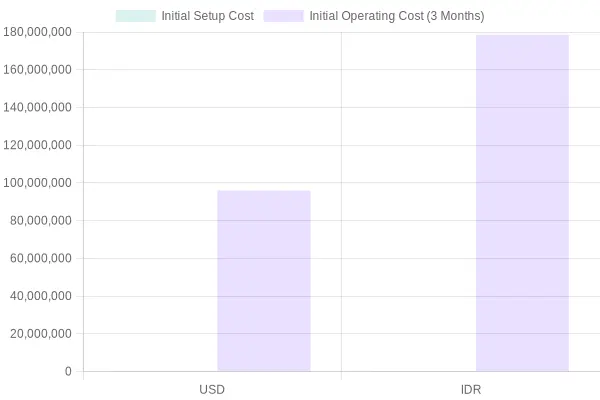
A chart illustrating the costs associated with starting a bakery cafe.
Successful bakery cafe owners often stress the importance of monitoring these costs over time to adjust strategies accordingly. You can read a more detailed discussion on budgeting in our article about startup costs for a bakery.
Arming yourself with this knowledge and staying aware of potential fluctuating costs will be key to your bakery cafe’s success.
Permit and Licensing Costs for Opening a Bakery Café
Opening a bakery café is not just about creating delicious pastries and inviting ambience; it also involves navigating the maze of necessary permits and licenses to ensure your business is compliant with local, state, and federal regulations. Let’s explore the typical permits and their associated costs.
Required Permits and Licenses
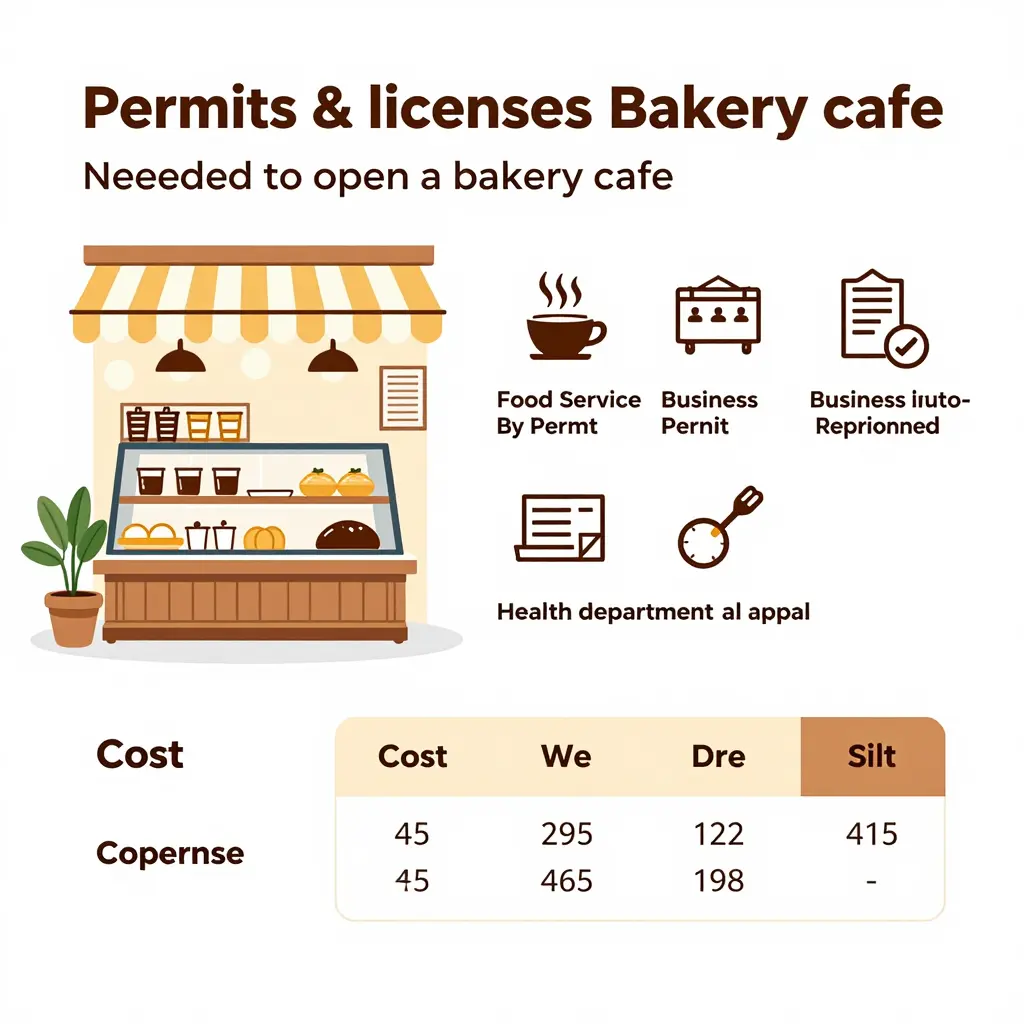
- Business License: This is generally required by your city or county. The cost can vary widely depending on your locality, ranging from $50 to $400.
- Food Service Permit: Issued by your local health department, this permit ensures that your operation complies with food safety regulations. This typically costs between $200 to $500.
- Employer Identification Number (EIN): Obtained from the IRS for tax purposes, this number is free but essential for any business with employees.
- State Sales Tax Permit: If your local jurisdiction has a sales tax, you will need this permit to collect tax on sales, which usually costs about $25 to $150.
- Food Handler’s Permit: Required for all employees handling food, with training costs averaging around $15 to $100 per person.
- Liquor License: If you plan on serving alcohol, a liquor license is necessary. Costs for this can vary widely and can be $1,000 to $10,000 depending on state and type of service.
- Certificate of Occupancy: This document verifies that your building is compliant with zoning laws and is safe for occupancy, costing around $50 to $300.
Cost Overview
The necessary permits and licenses for a bakery café can accumulate significant costs, typically ranging from $500 to $3,000 or more depending on your location and specific business model. Here’s a detailed comparison by state for perspective:
| Permit Type | Average Cost |
|---|---|
| Business License | $50 – $400 |
| Food Service Permit | $200 – $500 |
| State Sales Tax Permit | $25 – $150 |
| Liquor License (if applicable) | $1,000 – $10,000 |
| Certificate of Occupancy | $50 – $300 |
Importance of Compliance
Securing the right permits and licenses is crucial not only for the legal operation of your business but also for establishing credibility with your customers. Compliance helps avoid costly fines and shutdowns. It also ensures that you meet food safety regulations designed to protect public health.
For more information on starting your bakery café, check out our complete guide on permits and licenses.
In conclusion, while the costs associated with permits and licenses can seem daunting, they are a vital investment in the stability and legality of your bakery café. Ensuring that you have all required documentation in place will pave the way for a smoother startup and operational experience.
The Costs of Starting Your Bakery Cafe
Starting a bakery cafe can be an exciting venture, filled with the promise of creativity and delicious offerings. However, aspiring bakery owners often underestimate the total startup costs involved. Real experiences from successful bakery owners can shed light on this challenge.
“We didn’t anticipate the cost of commercial-grade ovens and ventilation systems-those nearly doubled our initial budget. It’s not just about ingredients; it’s about infrastructure.”
- Sarah Lin, owner of ‘Crust & Crumb’
This quote reflects a common experience many face-the initial expenses extend beyond ingredients. Additionally, other owners emphasize crucial yet often overlooked costs:
- Licensing and Permits: These can add up, especially if multiple permits are required for baking, selling, and delivery.
- Insurance: The cost of commercial property and liability insurance can be quite high, often a shock to new owners.
- Marketing: Initial thoughts of saving money by handling everything yourself can lead to underestimating the financial impact of creating a strong brand presence right from the start.
Understanding these unexpected costs can better prepare future bakery owners and help shape their financial strategies from the get-go. For further insights on the implications of starting a bakery, learn more.
Conclusion
Entrepreneurial success in the bakery industry involves clear financial planning. Familiarizing oneself with potential expenses is key to laying a solid foundation for your business operation.
Conclusion: The Significance of Planning for Your Bakery Cafe
In conclusion, the journey of starting a bakery cafe requires more than just passion for baking or coffee; it necessitates meticulous planning and budgeting to ensure success. From aligning your startup costs, including equipment, ingredients, and decor, to forecasting operating expenses, careful financial management can set the foundation for a thriving business.
As highlighted in various resources, such as this article on budgeting for bakery cafes, having a comprehensive financial plan allows you to anticipate potential setbacks and strategize accordingly. For many aspiring owners, the lack of a detailed budget can result in cash flow crises that jeopardize overall business viability. Additionally, implementing insights from studies like Forbes’ financial planning case study can illuminate operational inefficiencies that could erode profits, making it clear that planning must be ongoing, not merely a one-time effort.
Therefore, if you’re contemplating entering the bakery cafe industry, consider reaching out for professional support. At Dulce Vida Bakery, we are dedicated to guiding you through the complexities of starting your business. With our experience, we can help ensure that your dreams of owning a bakery cafe are backed by solid financial understanding and effective planning strategies.