
Introduction
In recent years, the café bakery scene has blossomed into a vibrant hub that attracts food lovers and business entrepreneurs alike. As the aroma of fresh pastries and coffee wafts through the air, these establishments create an inviting atmosphere where customers can indulge in delightful treats while enjoying a cozy ambiance. The growing popularity of café bakeries stems from their unique blend of culinary artistry and social dining, making them appealing as a lucrative business opportunity.
Investing in a café bakery not only allows you to showcase your baking skills but also offers a chance to build a community space where people gather to relax, work, and socialize. The concept of combining a café with a bakery provides an edge over traditional bakeries, as it caters to both quick grab-and-go options and leisurely dining experiences. According to recent market research, the bakery café segment is expected to grow significantly, spurred by the rising demand for artisanal baked goods and specialty coffee.
However, as enticing as this venture may appear, thorough preparation is paramount for success. Understanding your target market, sourcing high-quality ingredients, and crafting a well-thought-out business plan can make all the difference in your café bakery’s journey from initial concept to grand opening. Whether you’re dreaming of serving up cupcakes, artisan breads, or traditional pastries, learn more about the essentials to get your bakery off the ground.
Essential Equipment Needed to Open a Café Bakery
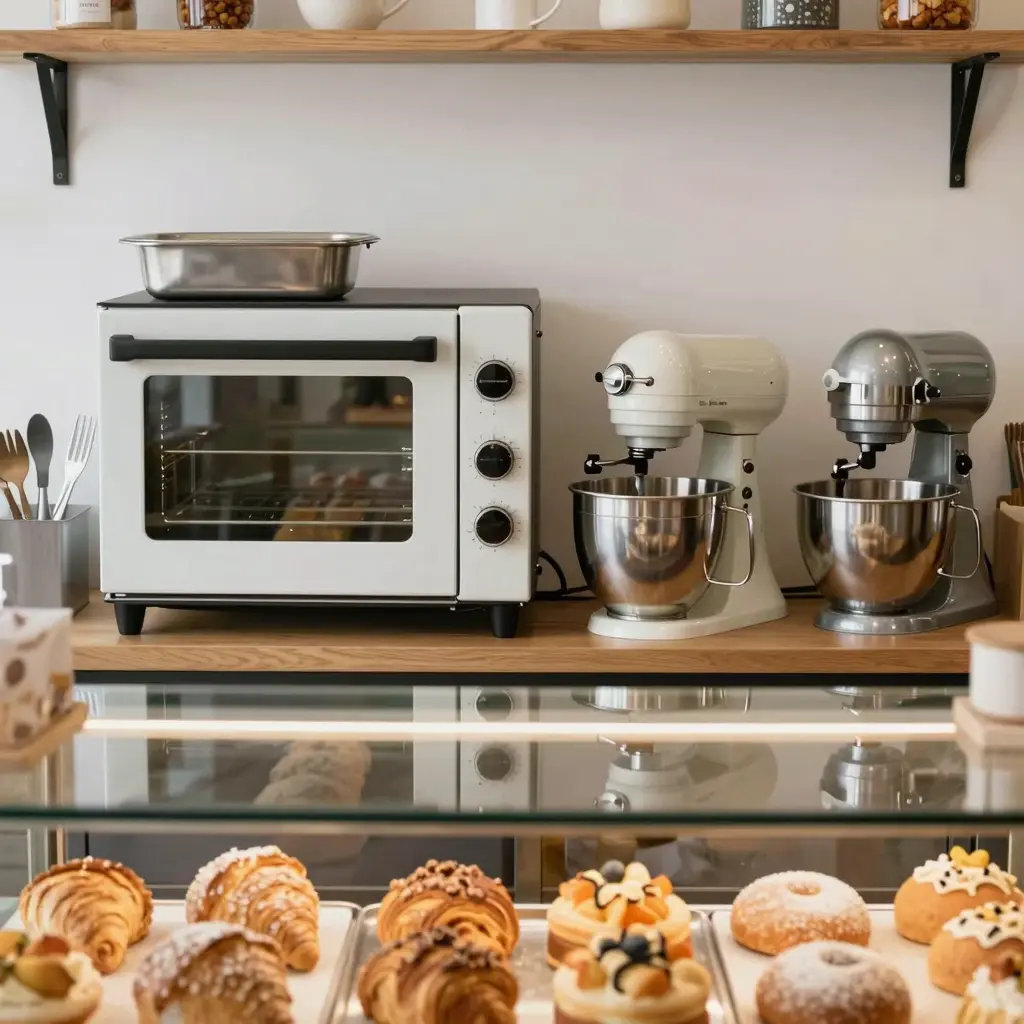
Starting a café bakery requires a blend of specialized equipment to ensure your production process is efficient and your baked goods attract customers. Here’s a list of the essential equipment you’ll need:
-
Ovens:
-
Commercial ovens (convection or deck) are crucial for baking a variety of pastries and bread.
-
Mixers:
-
High-capacity stand mixers or commercial mixers help in preparing dough and batter consistently and efficiently.
-
Refrigeration Equipment:
-
Commercial refrigerators and freezers are essential for storing ingredients, prepped items, and finished baked goods.
-
Display Cases:
-
Glass display cases allow you to showcase your baked goods appealingly to attract customers.
-
Counters and Workstations:
-
Dedicated preparation tables for assembling and decorating pastries play a crucial role in workflow efficiency.
-
Baking Tools and Supplies:
-
Baking trays, pans, mixing bowls, and measuring tools are necessary for daily operations.
-
Dishwashing Equipment:
-
Commercial dishwashers or sinks to maintain hygiene standards by efficiently cleaning utensils and equipment.
-
Coffee Machines:
-
If you plan to serve beverages, investing in espresso machines and coffee grinders is vital.
-
Point of Sale System:
-
A reliable POS system for managing transactions and tracking sales.
-
Miscellaneous Equipment:
-
Consider food processors, cutting equipment, storage racks, and shelving which enhance operational efficiency.
Opening a café bakery can be a rewarding endeavor. For more insights, learn more about starting a café bakery and explore helpful resources available through Dulce Vida Bakery.
When considering the legal requirements for opening a café bakery, potential business owners must navigate a complex landscape of permits and licenses designed to ensure food safety and compliance with local regulations. Initially, obtaining a business license is essential; this legitimizes your business within your jurisdiction and is typically provided by city or county governments. Additionally, a food service license is necessary for establishments that prepare and serve food, ensuring compliance with health and safety regulations. These licenses usually require passing health inspections conducted by local health departments. Business owners should also secure a sales tax permit from the state’s Department of Revenue, which permits them to collect sales tax on food and beverage sales.
Moreover, depending on your location, a sign permit may be required if you plan to display signage for your café bakery, which involves adhering to specific local zoning laws. If you plan to serve alcoholic beverages, obtaining a liquor license is also a critical requirement. Each state and locality may have varying requirements, so it’s advisable to consult the Small Business Administration or local government websites for tailored information. Furthermore, engaging with a professional business advisor or legal expert can help you navigate these requirements more efficiently and avoid potential pitfalls in your application process. Understanding and completing these legal steps is vital for setting a solid foundation for your new café bakery.
Comparison of Café Bakery Business Models
Starting a café bakery involves choosing a suitable business model that aligns with your goals and resources. Below is a table comparing three common business models: Franchise, Independent, and Partnership. Each model comes with its own set of advantages and disadvantages.
| Business Model | Advantages | Disadvantages |
|---|---|---|
| Franchise | – Established brand recognition – Proven business model – Access to training and support – Reduced startup risks |
– High initial investment – Ongoing royalty fees – Limited creative control – Strict operational guidelines |
| Independent | – Full creative control – Freedom to create unique offerings – Potentially lower startup costs – Ability to adapt quickly to market changes |
– Higher risk of failure – Must develop customer base own – Limited access to resources and support – Greater operational challenges |
| Partnership | – Shared financial burden – Combined skills and expertise – Increased funding opportunities – Diverse perspectives leading to innovative ideas |
– Potential for conflicts between partners – Shared profits – Decision-making can be complex – Less control for each individual partner |
Choosing the right model is critical to establishing a successful café bakery. Each option has distinct implications for your financials, management style, and market positioning. To explore more about starting a café bakery, check this guide or learn about different bakery models.
When venturing into the world of café bakeries, one of the most pivotal decisions is selecting the right location. The success of your business can rest heavily on this choice, affecting everything from customer traffic to brand visibility. Here are several key factors to consider when selecting a location for your café bakery:
1. Foot Traffic
High foot traffic areas are vital for any café bakery. Locations such as busy shopping streets, public transit stops, and popular tourist spots can significantly boost customer visits. More pedestrians mean more potential customers, especially if your café has appealing displays that encourage impulse purchases.
2. Demographics
Understanding the demographics of the area is essential. Who lives or works nearby? What are their preferences and behaviors? For instance, if your target demographic includes young professionals and families, you’ll want to align your menu and marketing strategies to meet their likes and needs. Areas with a younger population may favor trendy, Instagram-worthy treats, while neighborhoods with families might lean towards traditional baked goods.
3. Competition
Analyzing the competition is another critical aspect. A location with many similar businesses can lead to market saturation; however, being too far from competitors might isolate your bakery from potential customers. It’s beneficial to research existing cafés and bakeries, assess their offerings, and identify gaps that your business could fill. If you find an area with high potential but little competition, you may have a winning location.
4. Accessibility
Accessibility is crucial for attracting customers. Evaluate public transport options and consider the availability of parking. A café that is challenging to reach or lacks parking facilities may deter customers. You want the location to be as convenient as possible, minimizing obstacles that might prevent people from visiting.
5. Cost of Rent
While prime locations might promise higher foot traffic and better visibility, they often come with steep rent. Balancing the potential benefits of a high-traffic location with the associated costs is vital. Ensure your projected sales can cover the rent and operational costs before making a commitment.
Tips for Choosing the Right Spot
- Visit Potential Locations: Spend time in areas you are considering. Observe the foot traffic patterns and customer demographics at various times of day.
- Engage with the Community: Talk to local residents and businesses to gauge interest in your café and gather insights about the area.
- Evaluate Competitors: Make a list of nearby competitors, and analyze their strengths and weaknesses to understand where you could differentiate your offerings.
- Consider Future Trends: Look into upcoming developments or changes in the area. Will new residential complexes or businesses attract more people in the coming years?
Selecting the right location for your café bakery requires a thorough understanding of the interplay between these factors. By assessing foot traffic, demographics, competition, accessibility, and costs carefully, you can choose a spot that positions your business for success. If you’d like to dive deeper into effective strategies for your café bakery, consider exploring Dulce Vida Bakery for insights and inspiration.
 \n\nThis image depicts a vibrant café bakery environment, featuring freshly baked pastries, a warm ambiance, and customers enjoying their time. It perfectly encapsulates the welcoming atmosphere that one might expect at a cozy café bakery, making it an ideal visual enhancement for any article discussing the essentials of opening such an establishment.
Budgeting and Financial Planning for a Café Bakery
Opening a café bakery is an exciting venture, but it requires careful budgeting and financial planning to ensure success. Here’s a comprehensive outline that covers essential aspects including start-up costs, operational expenses, and tips for financial forecasting.
1. Start-Up Costs
Starting your café bakery involves several initial expenses that you need to plan for:
-
Location/Lease Costs:
-
Finding the right location is crucial, and securing a lease can be one of your largest expenses.
-
Factor in deposits and associated legal fees.
-
Renovation and Decor:
-
Creating a welcoming atmosphere requires investment in interior design, furniture, and equipment.
-
Budget for updates to comply with health and safety codes.
-
Equipment and Supplies:
-
Essential equipment includes ovens, mixers, refrigerators, baking trays, and display cases.
-
Consider costs for small wares like utensils and serving supplies.
-
Licensing and Permits:
-
Ensure compliance with local laws regarding food handling, health inspections, and business operations.
-
These costs vary by location but should be budgeted carefully.
-
Initial Inventory:
-
Plan for initial stock of ingredients including flour, sugar, and other baking necessities.
-
Secure relationships with suppliers for competitive pricing.
2. Operational Expenses
In addition to start-up costs, ongoing operational expenses must also be carefully tracked:
-
Fixed Costs:
-
Rent or mortgage payments, insurance, and salaries for staff.
-
These are typically stable costs that you can anticipate each month.
-
Variable Costs:
-
Costs that may fluctuate include ingredients, utilities, and maintenance expenses.
-
Keep an eye on these expenses as they can change due to market conditions.
-
Marketing and Advertising:
-
Allocate a budget for ongoing marketing efforts such as social media promotions, local advertising, and events.
-
This expenditure is crucial to attract and retain customers.
3. Tips for Financial Forecasting
Effective forecasting can help you make informed decisions and optimize your financial performance:
-
Historical Sales Data:
-
Analyze past sales data to identify trends and seasonal patterns.
-
Use this information to guide inventory choices and hiring decisions.
-
Cost Analysis:
-
Break down your costs into fixed and variable to understand where your money goes.
-
This allows you to set achievable sales targets.
-
Sales Projections:
-
Develop models based on customer volume, marketing efforts, and seasonal influences.
-
Prepare for temporary boosts from events or community gatherings.
-
Budgeting:
-
Create and follow a detailed budget that projects income and expenses for the month or year ahead.
-
Regularly compare budgeted figures with actual performance to adjust strategies as needed.
-
Scenario Planning:
-
Assess various scenarios such as economic downturns or spikes in ingredient prices.
-
Prepare alternative forecasts to navigate uncertainties in the market effectively.
By diligently planning your budget and financial strategy, you can set your café bakery up for long-term success.
For more insights on what it takes to successfully open a café bakery, learn more here.
Café and Bakery Market Trends for 2023
The café and bakery industry is witnessing significant growth, driven by evolving consumer preferences and changing lifestyles. Here are some key statistics that highlight the potential profitability and growth trends in this sector:
-
Global Bakery Market Size: The global bakery products market is expected to reach USD 405.2 billion in 2023, with a projected compound annual growth rate (CAGR) of 5.50% from 2023 to 2030. This growth indicates a robust demand for baked goods and café services worldwide.
-
Specialty Bakery Growth: The specialty bakery sector is anticipated to expand by $15.87 billion from 2023 to 2028, achieving a CAGR of 5.29%. This growth is primarily driven by consumer demand for healthier options and innovative product offerings.
-
U.S. Bakery Market Valuation: In the United States, the bakery products market was valued at approximately USD 78.96 billion in 2023. Projections suggest it will reach USD 86.93 billion by 2029, with a CAGR of 1.62%, reflecting steady growth in this segment.
-
European Market Share: Europe accounted for the largest revenue share of the bakery products market with 34.0% in 2023, showcasing the region’s strong demand for convenient food options.
These statistics underscore the promising environment for those looking to enter the café and bakery business. As you consider opening a café bakery, understanding these trends will provide valuable insights into the market dynamics and potential profitability.
For more details on what you need to open a café bakery, you can learn more about your options here.
Average Costs of Starting a Café Bakery
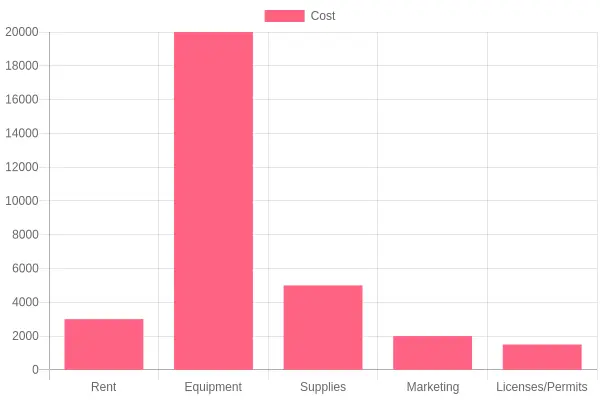
Starting a café bakery involves various expenses that can accumulate quickly. Below is a breakdown of typical costs associated with opening a café bakery:
| Category | Cost |
|---|---|
| Rent | $3,000/month |
| Equipment | $20,000 |
| Supplies | $5,000 |
| Marketing | $2,000 |
| Licenses/Permits | $1,500 |
These costs can vary drastically depending on location, size, equipment quality, and overall business strategy. For detailed insights and a more tailored approach, learn more about starting a café bakery and consider discussing your plans with local business experts.
Conclusion
Opening a bakery cafe is an exciting venture that combines the joys of baking with the art of hospitality. As we’ve discussed, there are several essential steps you need to consider to ensure your cafe bakery thrives in a competitive market. Conducting thorough market research will allow you to understand your local demographics and competition. A detailed business plan is crucial, outlining your strategy for financing, menu development, and marketing.
Moreover, selecting the right location can’t be overstated; it should attract customers while complying with zoning requirements. Securing necessary licenses and permits is the foundation of operating legally and successfully.
As you fine-tune your menu, be sure to include offerings that cater to diverse tastes and dietary needs. Equipping your bakery with the right tools and supplies will enable you to produce quality products that keep customers coming back. Hiring dedicated staff and fostering a customer-friendly environment also play a key role in your overall success.
Finally, focus on effective financial management to ensure profitability. Tracking your performance will keep your business on the path to long-term sustainability.
Don’t wait – contact us today to discuss your needs and get started on your journey toward opening a successful bakery cafe. We’re here to provide support and guidance every step of the way!