
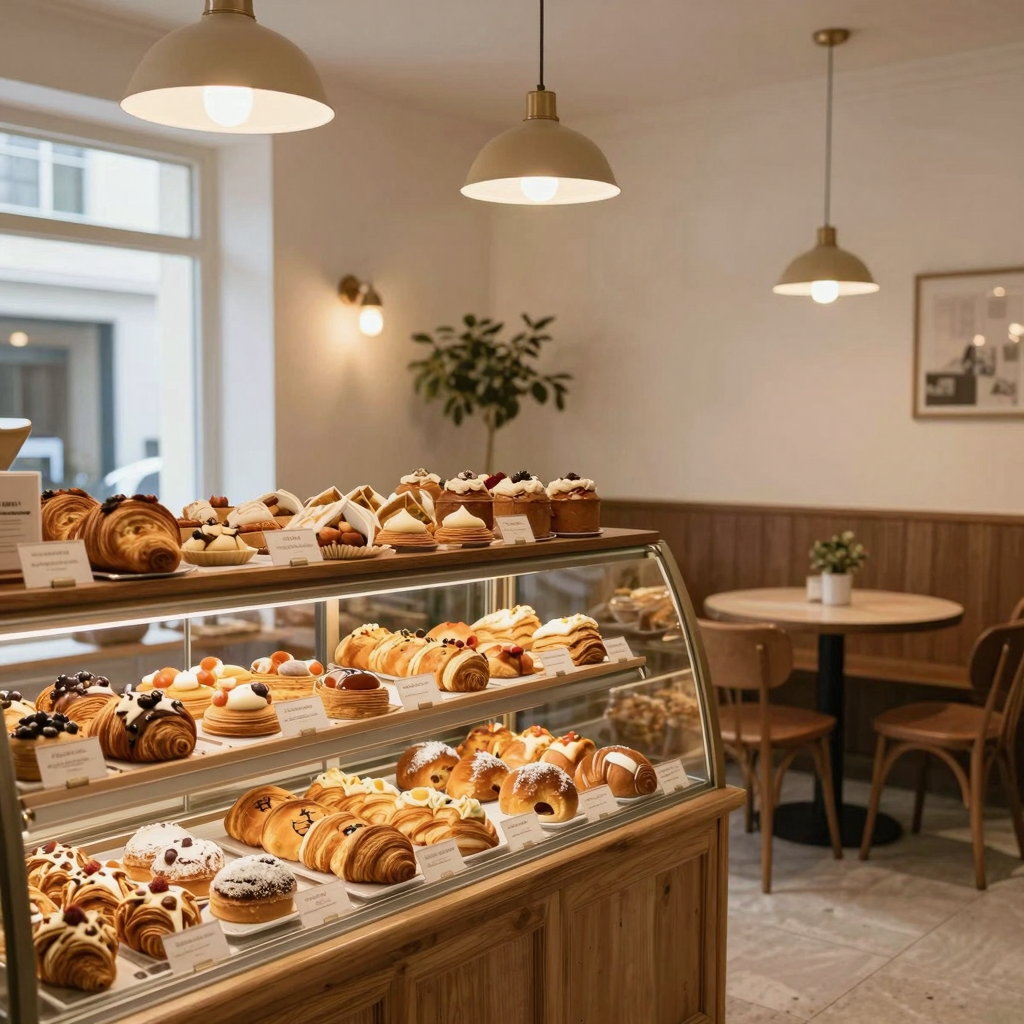
Have you ever wondered how bakeries fit into the broader culinary landscape of restaurants and cafes? While bakeries are often associated with sweet treats and artisan bread, the debate about whether they should be categorized as restaurants or cafes is ongoing and nuanced. Bakeries not only serve delicious pastries and breads but may also offer meal options and coffee, blurring the lines with traditional dining establishments. With the rise of bistro-style bakeries that provide not just baked goods but also a cozy spot to dine, understanding this relationship can be critical for business owners like you. Knowing where your establishment fits into this spectrum can help you develop successful marketing strategies and attract the right clientele. In this article, we will dive into the defining characteristics of bakeries, restaurants, and cafes, exploring their intertwined identities and what this means for the future of the food service industry. Learn more about our offerings at Dulce Vida Bakery and Café.
Definitions of Bakeries and Restaurants
Bakery
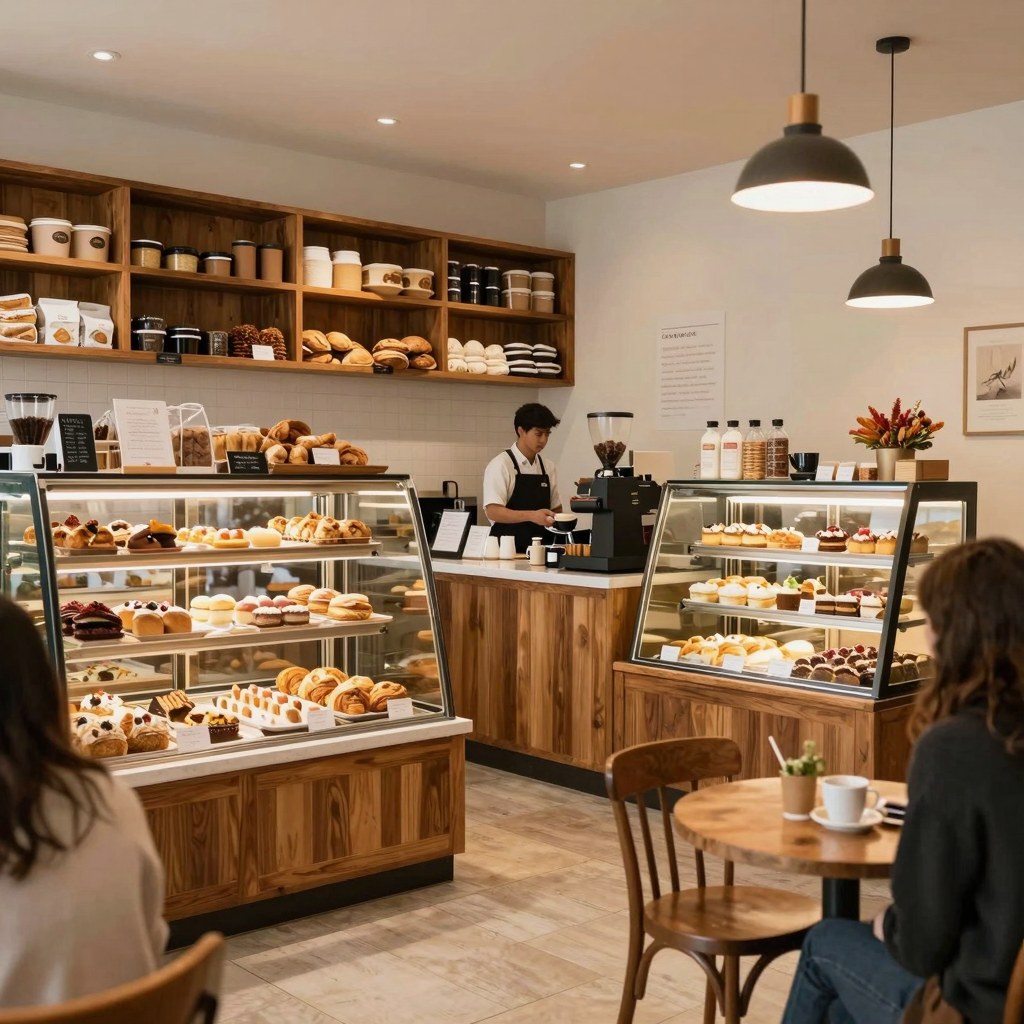
A bakery is a specialized establishment focused on producing and selling baked goods such as bread, cakes, and pastries. Bakeries often emphasize the quality of ingredients and in-house production methods. Most bakeries also provide items for immediate consumption or takeout, making them a convenient food service option for consumers. Atmospherically, bakeries can range from quaint local shops to larger establishments with seating areas, often creating a warm, inviting environment for customers to enjoy their treats.
For more insights about opening a bakery, check this guide.
Restaurant
In contrast, a restaurant is an establishment that prepares and serves complete meals, typically comprising appetizers, main courses, sides, and beverages. Restaurants are designed to offer a full dining experience, with a focus on menu variety that caters to different tastes and dietary preferences. The atmosphere in restaurants varies widely, from casual settings to formal dining, and they generally operate during lunch and dinner hours, necessitating more complex kitchen equipment and a diverse staff.
To explore different types of restaurants, learn more here.
Key Differences and Similarities
- Food Service: Bakeries focus on baked goods, while restaurants offer complete meals.
- Menu Variety: Restaurants provide a broader menu variety compared to bakeries.
- Atmosphere: Both can have inviting atmospheres, though the dining experience varies significantly.
Common Offerings at Bakeries
Bakeries are essential food establishments known for their delightful range of products and services. Here’s a look at the common offerings you might find at bakeries:
- Bread: From artisan loaves to sourdough and multigrain, bread is a staple item at any bakery.
- Pastries: Sweet or savory, pastries like croissants, danishes, and puff pastries are popular choices for breakfast or snacks.
- Cakes: Bakeries often offer custom and specialty cakes for various occasions, such as weddings, birthdays, and other celebrations.
- Cookies: Freshly baked cookies, including chocolate chip, oatmeal raisin, and sugar cookies, are crowd favorites.
- Pies: Seasonal fruit pies and classic options like pecan and key lime attract pie lovers year-round.
- Doughnuts: Many bakeries serve a variety of doughnuts, with unique flavors and toppings to satisfy any sweet tooth.
- Cupcakes: These individually sized treats have gained immense popularity for their ease of serving and decoration possibilities.
- Baguettes: A long, thin loaf from France, baguettes are well-loved for their crispy crust and soft center.
- Specialty Items: Some bakeries focus on vegan, gluten-free, or organic options to cater to diverse dietary needs.
These offerings not only highlight the variety of food available at bakeries but also emphasize their role in the dessert market. For bakery owners looking to attract more customers, it’s beneficial to offer a range of these products to meet diverse tastes and preferences. To learn more about how you can enhance your bakery offerings, visit Dulce Vida Bakery for inspiration!
Bakery Business Trends Relevant to the Restaurant Sector
The bakery industry has shown significant growth and dynamic changes in recent years, reflecting broader consumer trends and preferences that are particularly relevant to the restaurant sector. Here are some current statistics and insights:
Key Statistics and Trends
- Market Growth: The global bakery industry has experienced various growth rates over the years. Notably, from 2019 to 2023, the growth rates for certain periods were:
- 2019: 1.2%
- 2020: 0.9%
- 2021: 7.3% (peak)
- 2022: 2.6%
- 2023: 5.4%
This indicates a recovery and stabilization in the market, as consumers increasingly return to bakeries for quality products. - Online Bakery Sales: There has been a 10% annual growth rate in online bakery stores from 2019 to 2023, showing a shift in consumer purchasing behavior towards online platforms, especially amid the ongoing digital transformation in retail.
- Chinese Pastry Growth: A staggering 1100% increase in transaction volume for traditional Chinese pastries has been observed. This surge demonstrates a growing consumer interest in regional favorites, influenced by cultural preferences and nostalgia.
- Health Consciousness: The focus on health has escalated dramatically; the percentage of consumers prioritizing health in their purchasing decisions rose from 53% in 2020 to 65% in 2023. This is driving bakeries to innovate with lower sugar, fewer additives, and healthier ingredients.
Conclusion
Given these trends, bakeries not only contribute to the culinary landscape but also function as critical players within the restaurant sector. As they adapt to changing consumer preferences towards health and convenience, bakery businesses will likely continue to thrive. For more insights, you can explore Dulce Vida Bakery.
| Characteristic | Bakeries | Cafes |
|---|---|---|
| Business Model | Focus on producing and selling baked goods | Combination of food service and beverages |
| Customer Experience | Typically less emphasis on ambiance | Emphasizes a welcoming and social atmosphere |
| Primary Products Offered | Bread, cakes, pastries, cookies | Coffee, light meals, snacks, baked goods |
| Pricing Model | Cost-plus margins for baked goods | Higher margins on beverages and food |
| Seating | Limited or no dine-in space | Comfortable seating for longer stays |
| Revenue Drivers | Volume sales and repeat customers | High-margin beverages and impulse purchases |
| Operating Hours | Often shorter, focused on morning sales | Typically longer to accommodate diners |
For more information on how bakeries operate, learn more about bakery business models or explore key characteristics of cafes at the following link: Café Business Model.
Legal Considerations for Bakeries
Starting a bakery involves various legal considerations that owners must navigate to ensure compliance with local, state, and federal regulations. Here are the key areas bakery owners should focus on:
1. Licensing and Permits
Bakeries typically require several licenses and permits to operate legally. Common licenses include:
- Business License: Required at the local or state level.
- Food Service Establishment License: Issued by local health departments to ensure compliance with food safety standards.
- Sales Tax Permit: Necessary if selling taxable goods directly to consumers.
You can explore more about business licenses here.
2. Food Safety Regulations
Food safety is critical in the bakery industry. Bakeries must adhere to the Food Safety Modernization Act (FSMA), which outlines key requirements:
- Implementation of HACCP (Hazard Analysis and Critical Control Points) systems to manage food safety risks.
- Regular sanitation procedures and employee training on food handling practices.
- Facilities must be registered with the FDA (Food and Drug Administration) and comply with Good Manufacturing Practices (GMPs).
For more detailed information on food safety standards, visit this link to the FDA.
Conclusion
Legal compliance is essential for bakery owners to operate smoothly and avoid potential fines or closure. Understanding the necessary permits and adhering to food safety regulations can pave the way for a successful bakery business.
Bakery Growth in the Restaurant Sector
The growth of bakeries within the restaurant sector has been remarkable over the past decade. As more consumers seek out diverse dining experiences that include baked goods and café-style environments, bakeries operating as cafes have seen significant increases in market value.
The following chart illustrates the growth in market value of bakeries as cafes from 2013 to 2023:

| Year | Market Value (USD Billion) |
|---|---|
| 2013 | 35 |
| 2014 | 38 |
| 2015 | 40 |
| 2016 | 42 |
| 2017 | 45 |
| 2018 | 50 |
| 2019 | 55 |
| 2020 | 60 |
| 2021 | 65 |
| 2022 | 70 |
| 2023 | 75 |
This data showcases a continuous upward trend, reflecting the rising demand for baked goods integrated with café services. The bakery sector in restaurants not only offers traditional bread and pastries but also explores innovative products catering to consumer health trends and preferences.
For more on how to capitalize on this thriving market, check out our article on the latest trends in cafes.
Do Bakeries Fall Under Restaurant and Cafe?
The debate on where bakeries fit within the culinary spectrum often arises among business owners and food enthusiasts alike. Bakeries, much like restaurants and cafes, play a crucial role in the food industry, offering more than just baked goods; they provide experiences, community interaction, and a touch of artistry. Successful bakery owners understand this dynamic deeply.
“All you knead is love.”
- Markus Hofmueller, Bach’s Bakery
Hofmueller’s perspective highlights the essential emotional connection that bakery owners and staff have with their craft. It’s not merely about producing dough and pastries; it’s about nurturing a space where skills grow and relationships flourish. This commitment to quality and community is what elevates bakeries into the same category as restaurants and cafes, where the focus is not only on food but also on people.
By positioning bakeries as vital players in the culinary landscape, they can attract diverse clientele and foster stronger community ties. Learn more about the importance of bakeries.
Conclusion and Call to Action
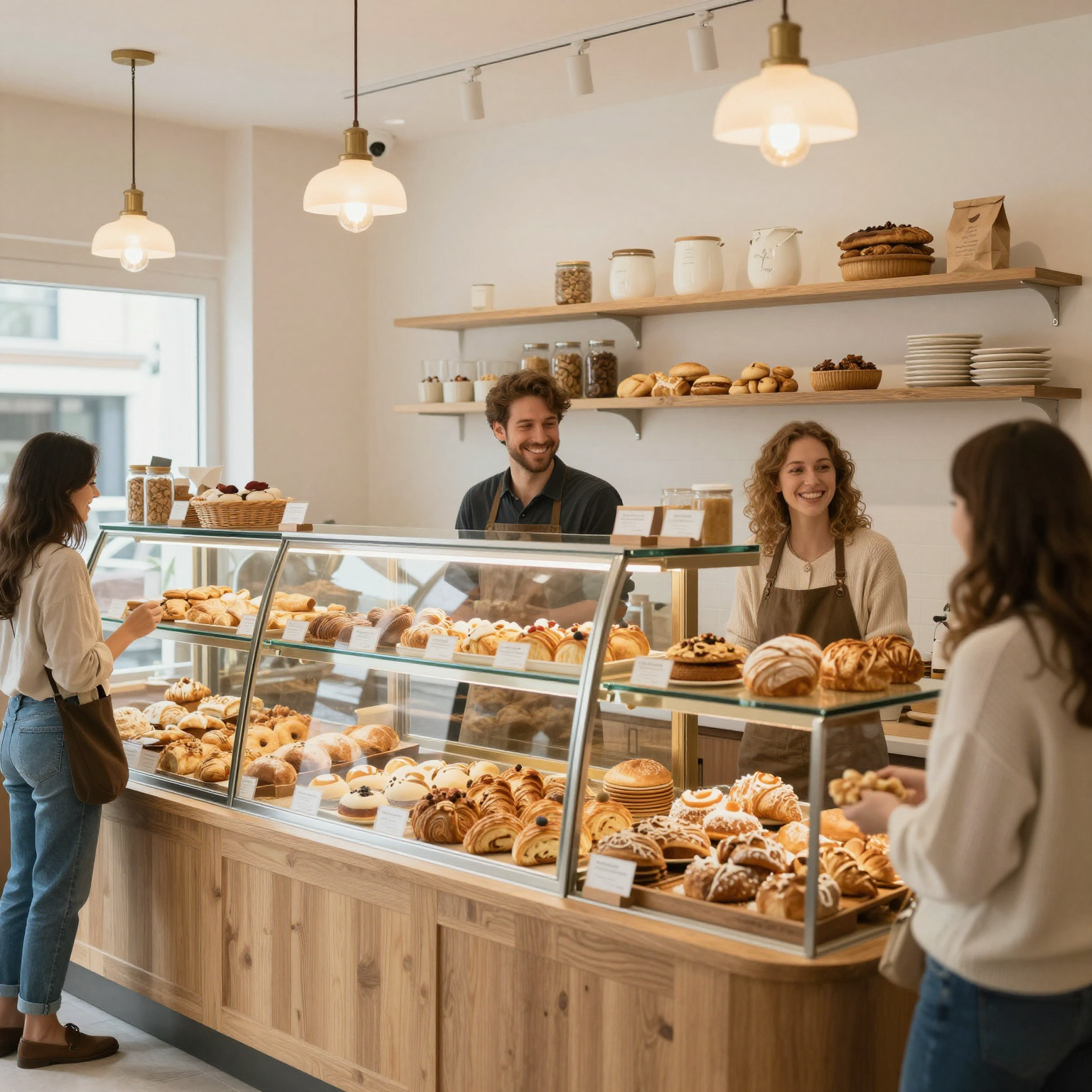
In conclusion, the synergy between bakeries and restaurants presents numerous opportunities for growth and innovation in the food service industry. Both bakeries and restaurants share a commitment to quality ingredients and customer experience, allowing for successful collaborations that benefit both parties. The integration of bakery products into restaurant menus not only enhances dining options but also drives foot traffic and increases brand visibility. Additionally, as both entities work together, they can create unique offerings that cater to evolving consumer preferences for convenience and authenticity.
If you are a business owner eager to explore how your bakery can work alongside restaurants or leverage collaboration to boost your business, don’t hesitate to contact us at Dulce Vida Bakery for more information and assistance. Let’s explore the opportunities that a partnership can bring to your business today!
Discover how to take advantage of the benefits of bakery-restaurant collaborations and elevate your business model. Learn more about our offerings to combine the best of both worlds!