
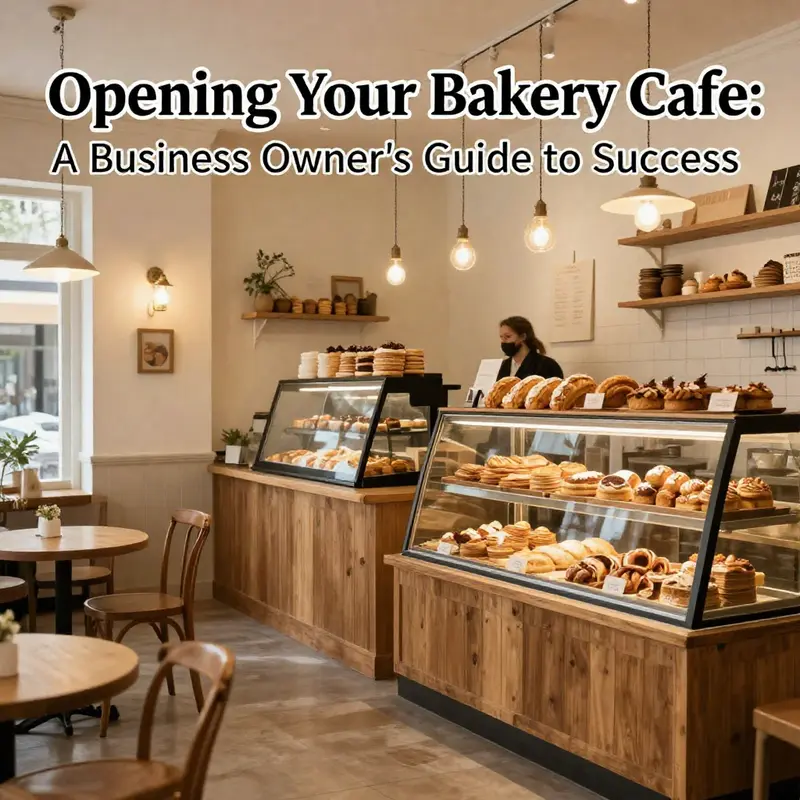
Starting a bakery cafe is more than just whipping up delicious pastries and brewing excellent coffee; it calls for meticulous planning and strategic execution. This guide illuminates the pathway for ambitious business owners looking to blend culinary artistry with exceptional customer service. Each chapter covers essential elements such as crafting a robust business plan, selecting the perfect location, and ensuring compliance with financial and legal requirements. By immersing yourself in these crucial steps, you can lay a solid foundation for your bakery cafe and transform it into a beloved local hotspot.
From Oven to Opening: Crafting a Strategic Business Plan for Your Bakery Café

A bakery café begins as a warm idea and becomes a viable business only when that idea is anchored in a carefully crafted plan. A well-constructed business plan does more than outline numbers; it translates concept into community, costs into decisions, and curiosity into a clear path to profitability. The plan should read like a map and feel like a story—one that explains who you will serve, what you will offer, how you will operate, and how you will grow with the neighborhood you choose. At its heart lies a practical clarity: what makes your bakery café unique, how you will attract and retain customers, and how you will sustain quality as you scale from first-day hustle to ongoing rhythm. This approach turns aspiration into measurable milestones and keeps your team aligned when the day-to-day demands grow heavier than the dream itself. When you prepare, you reduce surprises and increase confidence with lenders, partners, and future staff who will join you on the journey.
Understanding your target market is the first anchor. A bakery café does not exist in a vacuum; it lives in a street, a block, a community. Start by mapping the demographics around your potential location—are there young professionals who crave a reliable morning ritual, families who value wholesome options, or wellness-minded shoppers who seek lighter, seasonal treats? Beyond demographics, you must parse what they actually want: a cozy spot to work or catch up with friends, a quick bite between errands, or a place to linger with a book and a cup of good coffee. Your unique value proposition then crystallizes who you are in the eyes of these groups. It could be a commitment to locally sourced ingredients, a signature pastry that embodies your region, a café ambiance that blends comfort with a touch of modern design, or a hybrid model that balances fast, friendly service with slow, thoughtful baking. The goal is to define a clear DNA: what you do, for whom, and why it matters when customers have several options within a few blocks.
The financial projections that accompany this plan must be honest yet ambitious. Start with startup costs—equipment such as ovens and mixers, refrigeration, small wares, furniture, licenses, and the initial inventory needed to launch. Don’t overlook renovation and design costs that affect throughput and customer experience. Then forecast revenue with realism: estimate daily sales by product category, consider peak seasons, and model different scenarios for foot traffic. Layer in operating expenses—staff wages, utilities, ongoing ingredients, maintenance, and marketing investments. A profitability roadmap should chart a path to break-even and beyond, showing how many months or quarters you expect to reach steady profitability and how you will reinvest in the business as you grow. Build in contingencies: what happens if a key supplier experiences a delay, or if a new competitor enters the area? A plan that anticipates risk signals resilience and reduces the fear of unforeseen bumps along the way. Your plan should also include a clear funding strategy, whether you rely on personal capital, a loan, or a mix of investors. Present a transparent use of funds and a repayment or ownership structure that aligns with your long-term vision. A well-documented financial section invites confidence and helps you stay accountable to your own goals as you move from the drawing board to the storefront.
Marketing and branding deserve equal weight in a successful plan. A bakery café thrives when its brand is tangible—its name, its interior vibes, its packaging, and the warmth of the service staff all carry the same story. Develop a brand identity that communicates who you are at every touchpoint: logo, color palette, typography, menu design, and tone of voice in every customer interaction. In today’s landscape, digital marketing is not optional, it’s foundational. A robust plan outlines how you will use social media to tell your ongoing story, share behind-the-scenes glimpses of dough and pastry, and highlight weekly specials or seasonal offerings. Your marketing should also weave in community engagement—pop-up collaborations, partnerships with local growers, participation in neighborhood events, and a loyalty program that rewards repeat visits while gathering data to tailor your offerings. A well-crafted loyalty approach becomes your most reliable forecast tool, revealing which items drive repeat business and where to invest in product development. In parallel, describe your website as a storefront that works in tandem with your café: an online menu, order-ahead options, and a narrative that connects your customers to your sourcing and craft. This holistic branding plan makes your bakery café feel like a familiar friend in the neighborhood while still inviting new faces to discover the comfort of your baked goods.
As you integrate these elements, the document should function as a living blueprint rather than a static report. Your plan guides location decisions by aligning target market size, foot traffic, and lease terms with the concept you’ve defined. It informs supplier selection, ensuring ingredient quality and consistency that match your brand promise. It shapes staffing plans, from the skill mix in the kitchen to the training programs that turn first-time customers into regulars. Above all, it anchors your operations in a clear schedule of milestones—renovation completions, equipment installation, soft openings, and the first 90 days of sales—so you can measure progress and pivot when necessary.
To keep the plan practical, reference real-world resources that support the core elements without constraining creativity. For branding inspiration and a nearby example of a concept that blends warm hospitality with a crafted bakery approach, explore a related concept at Dulce Vida Bakery 410. Such examples remind you that a great plan is not a sterile ledger but a living story that informs every choice, from the color of your café walls to the texture of your croissants and the cadence of your service. As you finalize your blueprint, remember that a bakery café opens not just with a great pastry but with a plan that proves you can sustain it, evolve with your guests, and contribute meaningfully to the neighborhood you call home.
For practical, step-by-step guidance, consult the SBA’s comprehensive guide on writing a business plan: https://www.sba.gov/business-guide/plan-your-business/write-your-business-plan
Finding the Right Corner: Securing a Location That Breathes Life Into Your Bakery Café
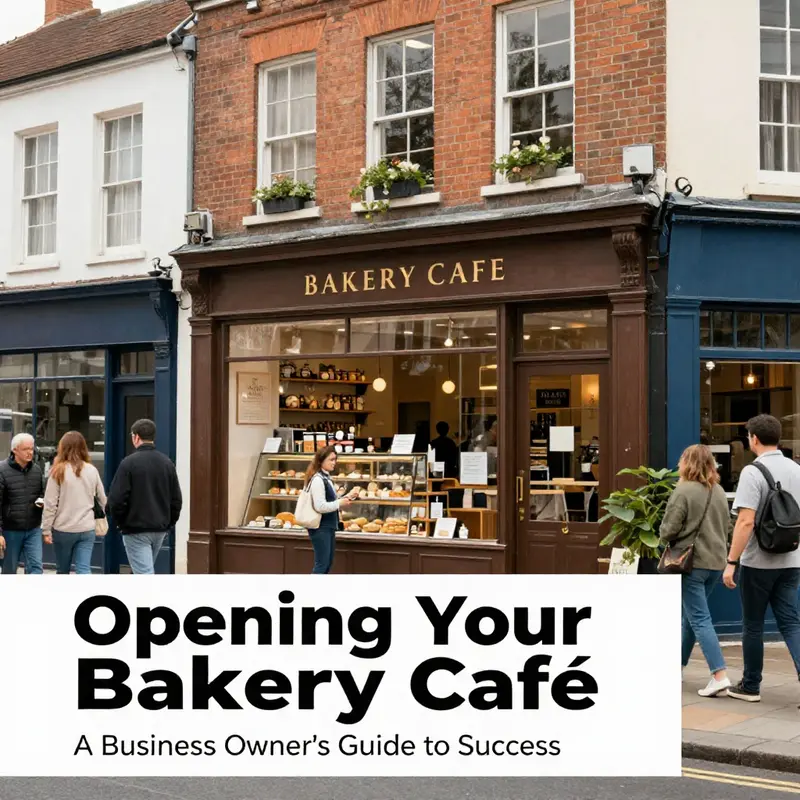
Choosing the location for a bakery café is not just logistics; it is the opening act of your brand. The right spot invites your customers in, frames your menu, and shapes how people experience your craft. To pick well you must balance three things: who you are serving, how people move in a neighborhood, and how a site fits with your growth plan. Urban retail studies show that proximity to a steady audience can lift midday sales, but volume alone does not guarantee conversions. A Shanghai case study found a bakery next to a major office building captured 45% of daily sales during lunch, while a Nanjing bakery near a subway drew 3,000 pedestrians a day but only 2% converted because there was nowhere to sit. In contrast, a lifestyle mall café thrived because it offered seating and a welcoming ambiance. This contrast is not mere trivia; it is a reminder that the site must invite dwell time as well as visibility.
Begin with your concept and audience. If your promise is rustic, handmade breads and slow mornings, seek a neighborhood where residents linger. If your edge is fast coffee and high turnover, look near transit hubs or business districts. The takeaway is simple: the right traffic matters more than right-now footfall. The goal is not a crowd but a crowd that values your offer and will stay long enough to order again. Translate this into scouting: map your target customer’s routines, observe nearby rhythms, and gauge dwell time. Is there space to pause, to savor a pastry with a drink? The best sites feel welcoming the moment you step inside, turning a passerby into a guest rather than a passer-by.
Financial discipline cannot be separated from location. Rent, maintenance, and utilities should be weighed against projected sales. A common rule is to keep rent near or below 15% of gross monthly sales to protect margins. In big cities, rents vary widely, and a flashy landmark can backfire if traffic is unpredictable. A Guangzhou kiosk case shows how high rent can erase profits—22% of turnover led to a quick exit. The lesson is to anchor your rent to traffic, basket size, and growth pace. Consider flexible leases with short rent holidays or tiered terms to ride out early volatility. Build a simple pro forma that links estimated daily traffic to conversion and average ticket. If the math creaks, keep hunting or push for better terms. The goal is a space you can grow into, not a trap you outgrow. Keep a margin for seasonality and demand swings, and test multiple options before signing a long-term commitment.
Accessibility and visibility go beyond signage. The storefront should be easy to reach by transit, bike, and car, ideally within five minutes of a transit stop with parking or bike racks nearby. Signage should be legible from a distance, at about 1.8 to 2.2 meters high. A misstep as small as a steep entry can deter parents with strollers and seniors, cutting daytime traffic. The layout matters too: a clear path from door to counter to pastry cases, a small seating area, and a bright display encourage dwell time. The site should support not only today’s menu but potential growth—extra seating, outdoor space in good weather, or a space for pop-ups. The most successful bakery cafés view expansion as a system, not a single storefront. Choose a location that can anchor a small network, not a lone outpost. In dense markets, use data from maps and transit analytics to anticipate changes, while keeping a practical eye on rent and neighbor competition. Consider how easily customers can discover you from nearby streets and how friendly the block feels after hours.
Putting theory into practice means a focused search and smart negotiation. Identify neighborhoods where residents match your target and where nearby businesses drive cross-traffic. Co-location matters: a bakery next to a coffee shop or fitness studio often boosts shares of wallet. In Chengdu, a bakery sharing space with a café added a coffee-and-pastry bundle, lifting average ticket from 18 to 32 yuan and increasing bundles to a large part of revenue. Avoid zones with saturated competition; a 500-meter radius rule helps. The rent discussion should cover fit-out, equipment, and the pace to break even. A lease with staged rent or initial relief can help you earn traction while building a loyal customer base. Accessibility remains essential: ensure the entrance welcomes strollers and seniors, transit is convenient, and parking or bike racks exist. Infrastructure matters too—strong electrical supply, good ventilation, and a layout that minimizes bottlenecks during peak hours. Finally, lean into data: foot-traffic analytics, inventory turnover, and customer feedback loops guide menu tweaks and staffing. The best sites are those you can imagine growing into, not just ones that look good on a map.
Within this framework, the right corner is less about the flashiest address and more about being in the right kind of busy—near people who value your craft, where they can linger, and where your brand feels at home. As you scout spaces, let data meet instinct and let community needs shape your choice. For deeper data-driven guidance, explore the BBC article on retail site selection. To see practical proximity benchmarks, consider nearby panaderias-cercas-de-mi as you assess mood and footfall in real-world terms.
null
null
Final thoughts
Launching a bakery cafe requires a blend of culinary talent, strategic planning, and careful financial management. By developing a solid business plan, selecting the right location, and ensuring compliance with permits and funding options, you position your venture for success. Remember that your bakery cafe represents not only a business but also a community hub where flavor, creativity, and customer service come together. Your journey will be filled with challenges and opportunities, and with each step, you will be crafting experiences that your customers will cherish.