
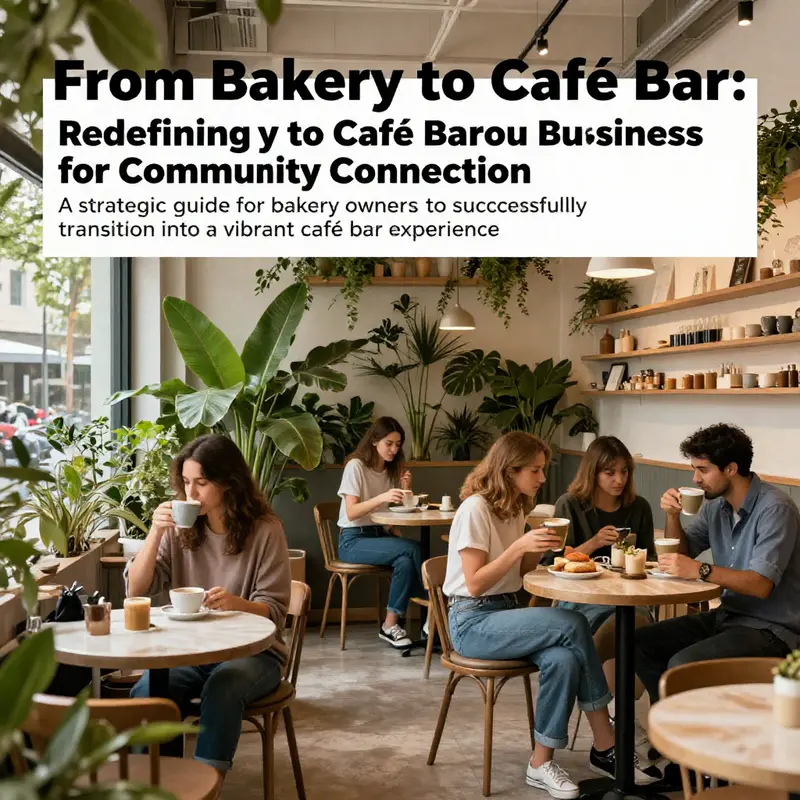
As consumer preferences shift towards experiential dining, bakery owners are presented with a unique opportunity: evolving their traditional business into a café bar that serves not only baked goods, but also fosters community connections. This guide delves into market research and positioning strategies that define your niche, followed by practical insights on redesigning your space to create an inviting ambiance. By understanding these pivotal aspects, bakery owners can lay the groundwork for a successful transition that engages customers and ignites their passion for food and community.
Market Research & Positioning: Define Your Niche in the Transition from Bakery to Café Bar
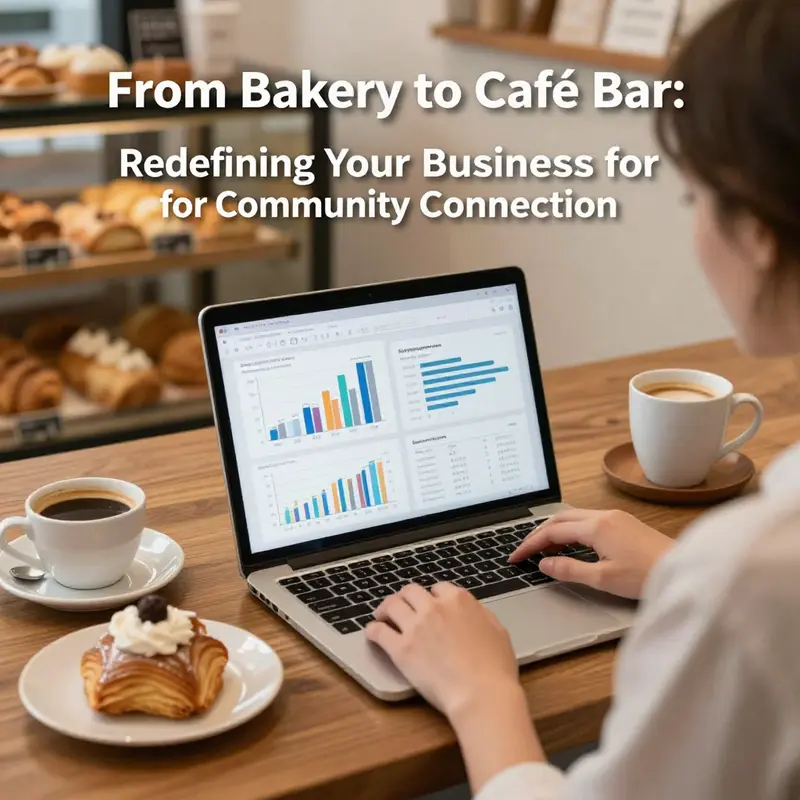
A bakery that shifts toward a café bar is not simply swapping some pastry cases for coffee machines. It is reimagining how people experience a space, how they spend their time, and what they come to expect from a location that blends food, drink, and social life. The compass that guides this transformation is precise market research and deliberate positioning. Without a clear sense of who you are serving and what you uniquely offer, the pivot risks becoming a diluted mix of offerings that satisfy no one fully. The work begins with listening—to the rhythms of the neighborhood, to the cravings of different customer segments, and to what competitors have missed. It proceeds with a sharpened sense of purpose: you are not just selling coffee and pastries; you are curating a lifestyle destination that gives people reasons to linger, to return, and to invite others to join them. In this sense, defining a niche becomes less about narrowing options and more about aligning every decision—from branding to floor plan to the tempo of service—with a shared story that resonates with a distinct group of customers. The result is a brand that feels inevitable in its place and purposeful in its promise, even as it remains flexible enough to adapt to changing tastes and local dynamics.
Identifying the right target audience begins with a careful dissection of local life. You want to map not only who is nearby but what they do with their days and how a café bar could fit into that pattern. Young professionals who crave a comfortable space to work or meet clients may seek a venue with reliable Wi‑Fi, ample outlets, and a calm, inviting atmosphere. Students might prioritize proximity to campuses, fast yet high-quality options, and moments for collaboration or study breaks. Creative communities look for spaces that feel authentic and stimulating, with room to host workshops, exhibitions, or intimate performances. Commuters may value speed, consistency, and predictable hours. Each of these groups has different expectations around speed of service, menu complexity, seating arrangements, and even the way the staff interacts with them. The art of market research is not to please everyone at once but to understand which group offers the strongest alignment with your envisioned concept and how to serve them better than the alternatives around you.
To translate these insights into action, you can combine practical data with qualitative discovery. Start with a local audit: how many cafés and bakeries are nearby, what times are busiest, and what services are currently underrepresented. Look for gaps in the daily schedule—perhaps a morning crowd that craves hearty, quick options, or a late-evening window for small plates and cocktails. Parallel to this, talk to potential customers in informal conversations. Ask what Fragrance of a space or the feel of a place means to them. Notice what they post about online, what images they associate with comfort and culture, and what they dream a neighborhood venue could be. Social listening, when done with sensitivity, can reveal unspoken needs, such as a desire for healthful choices, inclusive menus, or events that feel inclusive rather than transactional. These conversations help shape a unique selling point that you can consistently deliver, whether through menu design, interior ambiance, or the cadence of events.
Competitors become a vital source of learning when viewed through the lens of opportunity rather than imitation. Instead of simply cataloging what others offer, examine what they do not address well or do inconsistently. If most nearby concepts emphasize speed but neglect atmosphere, you can lean into a slower rhythm—spaces designed for linger, with moments of surprise that invite conversation and curiosity. If most focus on food, you can emphasize experiential elements such as a rotating schedule of seasonal beverages, craft pastries, and collaborative events with local artists. The aim is not to copy peers but to improve a space so that it becomes a distinct choice for a defined group of people. When you define your niche with precision, the brand voice, interior concept, and menu philosophy all begin to speak in the same language. Consider how a brand story can be embodied visually and experientially—from the color palette and textures in the space to the choreography of service and the cadence of the music. A well-tuned positioning makes every decision feel coherent and deliberate, which in turn builds trust and anticipation among your chosen audience.
Positioning your café bar as a life aesthetics space—more than a place to buy coffee or pastry—requires a disciplined approach to storytelling and image. The narrative should convey how the space supports daily rituals, personal expression, and connection with others. It is not enough to offer high-quality beans or flawless pastry craftsmanship; you must create moments that people want to capture, share, and replay in their memory. Behind-the-scenes content about the pastry team, the sourcing ethos, and the craft of beverage preparation can humanize the brand and deepen engagement. Visual storytelling—warm light, natural textures, a wall that chronicles the brand’s iterations, and small displays of local art—helps translate a brand promise into a perceived lifestyle. When customers perceive a place as an extension of their own identity, they become ambassadors who invite friends and colleagues to participate in a shared experience. This emotional bond is the currency of repeat visits and purpose-driven growth, especially in a market where taste and price are abundant but meaningful experience is scarce.
A practical step in shaping positioning is translating insights into a concrete, testable plan. Create a simple UVP—an ultra-clear statement of what makes your café bar unique and who it serves. It should inform every facet of the concept, from the floor plan to the menu architecture and the events calendar. If your niche centers on a calm, creative workspace by day and a social, intimate gathering space by night, your operational rhythm must reflect that dual identity. The daytime side should emphasize comfort, quiet zones, ergonomic seating, ample power access, and dependable service. The evening side can unfold with curated playlists, soft lighting, and opportunities for small-group events or collaborative showcases with local artists. The transition requires a flexible but coherent framework. Your staff training, for instance, should reflect the expectations of the audience at different times, with a hospitality standard that adapts to the pace and mood of the room without sacrificing consistency.
From a product perspective, the menu should be anchored by your core strengths while providing room for seasonal variation that reinforces the sense of discovery that a life aesthetics space promises. Coffee and pastry remain the anchor; however, you expand the repertoire toward light, satisfying meals and signature beverages that pair seamlessly with your baked goods. The concept leans into cross-category cross-pollination: the pastry program informs the drink menu, and the beverage program elevates pastry presentation. You can experiment with seasonal bursts—a light, citrus-forward pastry alongside a bright, crisp cold brew in summer, or a comforting, cinnamon-spiced option paired with a warm, velvety latte in winter. Importantly, your menu should accommodate dietary needs and preferences—gluten-free, vegan, and low-sugar choices—without diluting the brand’s character. In practice, this means planning production and sourcing so that the kitchen and beverage bar work in harmony, delivering consistent quality whether a guest is choosing a wholesome option or indulging in a small, premium indulgence.
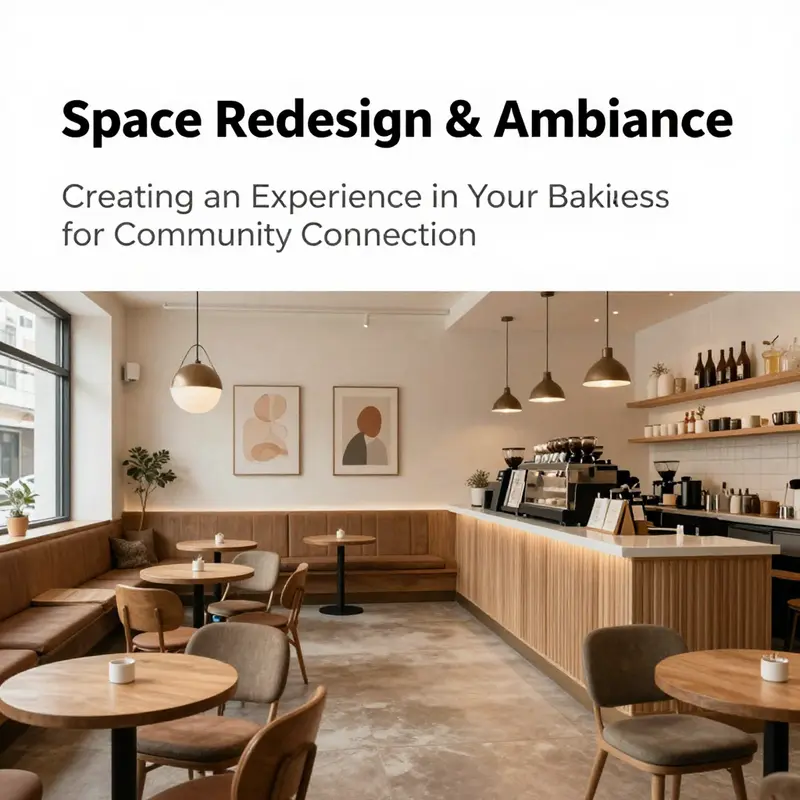
The structural implications of positioning extend into space planning and design language. If your niche requires a premium, contemplative atmosphere, you may favor a storefront with generous daylight, organic materials, and a restrained color palette that invites lingering. For a more energetic, community-forward concept, a vibrant palette, flexible seating configurations, and zones designed for rapid turnover during peak periods can be more appropriate. The goal is continuity: lighting, acoustics, furniture, and decorative details should reinforce the brand’s story at every touchpoint. A space designed to tell a consistent story is easier to remember and easier to recommend. In practice, every element—from the chalkboard menu to the coffee bar’s industrial finish to the texture of the upholstery—becomes a visual cue that signals the brand’s promise to the guest. When these cues align with the stated niche, customers perceive a well-considered experience rather than a collection of unrelated offerings.
The marketing approach should reflect this alignment as well. Content should illuminate the journey—from bean to cup, from dough to dessert, from idea to event. Behind-the-scenes videos can show the craft of pastry and the care behind a cup of coffee, turning ordinary moments into something worth sharing. Collaborations with local artists or wellness brands can extend the brand’s reach while staying true to the lifestyle narrative. User-generated content can become a powerful amplification tool when you encourage guests to post about their experiences with a recognizable, easy-to-use hashtag. Importantly, your storytelling must be authentic. People connect with brands that are transparent about their process, their people, and their purpose. An authentic voice, paired with an aesthetically coherent space, helps you climb above the noise and creates a sense of belonging that brings guests back week after week.
Operationally, refining your niche means building a business model that supports longer stays as well as efficient throughput. Consider how seating layouts, service workflows, and menu pacing influence the guest experience. A well-positioned café bar should feel effortless in practice: guests find a seat, place an order with a quick, friendly interaction, and receive a product that aligns with their expectation of quality and artistry. This requires disciplined menu planning, robust supplier relationships, and a training program that elevates barista and pastry teams to champion both craft and hospitality. Your staff should be able to guide guests through the experience, suggest pairings that enhance mood and flavor, and recognize regulars by name. When guests feel known and valued, they are more likely to return and to bring friends along, which is the essence of a community-focused niche.
In documenting and implementing the market research and positioning, it helps to view the transition as a continuous feedback loop. Data from the POS, reservations, and loyalty programs informs decisions about staffing, inventory, and even the pace of events. Seasonal campaigns tied to the brand story can test new elements—perhaps a mini-series of art evenings or a small-run pastry that tells a local story. Each iteration refines the niche, reinforcing what distinguishes your café bar from a conventional bakery or a standard cafe. The loop also accommodates external shifts in consumer behavior or regulatory landscapes by enabling swift pivots that preserve the core identity. The most enduring transitions are those that stay faithful to a well-defined niche while remaining adaptable to new possibilities that emerge from real-world experience.
For a glimpse into how compelling design can elevate a bakery-to-café transition, consider the online case studies that explore immersive environments and storytelling-driven experiences. These references underscore the idea that atmosphere, rhythm, and narrative contribute just as much as menu and service. A practical takeaway for your own pivot is to treat space as a dynamic canvas that supports your evolving niche, rather than a fixed backdrop. This mindset helps ensure that your concept remains relevant as trends shift and as your neighborhood’s taste evolves. The result is a café bar that feels inevitable to a specific community, a place where people know they belong, and a place that invites ongoing exploration rather than a one-time visit.
If you want to see a concrete example of how a café concept can evolve alongside its audience and space, you can explore a related case through this example: Dulce Vida Cafe. The story there, while specific, illustrates how a destination can blend narrative, space, and menu to become a living, shareable experience. It is not a blueprint, but it offers a tangible reference for thinking about atmosphere, rhythm, and guest expectations in your own pivot. As you build toward a niche that feels both ambitious and achievable, keep in view the broader aim: to create a space where people do not just visit for nourishment, but belong for a story they want to be part of on a daily basis. The path from bakery to café bar is, at its heart, a journey toward a more meaningful and resilient relationship with the people you serve.
For designers and operators seeking deeper guidance on how to translate these principles into physical form, the field offers rich resources on shop design, workflow, and ambience. A robust design playbook can help ensure your space supports the intended guest behavior, from the moment a guest steps inside to the moment they leave with a sense of having spent time well. The Bakery Shop Design Guide provides practical perspectives on performance, technical features, and applications that can inform your own planning, budgeting, and testing phases. External design guidance like this can serve as a companion to your local market research and positioning work, grounding your plans in proven considerations while you tailor them to your community’s unique character. External link: https://www.bakerydesignguide.com/
null
null
Final thoughts
Transitioning a bakery into a café bar requires a thoughtful approach that embraces the essence of community while fostering a vibrant atmosphere. By conducting thorough market research and creating a well-defined space that resonates with your target audience, bakery owners can cultivate a fulfilling business that not only offers delicious products but also serves as a local gathering spot. With the right strategies in place, your bakery can successfully evolve into a café bar where experiences and connections flourish.